
How to Use Reishi Mushroom Extract
Introduction
Reishi mushroom, known scientifically as Ganoderma lucidum, has a long-standing reputation in traditional Eastern medicine, particularly within Chinese culture. Often referred to as “the mushroom of immortality,” it has been revered for its numerous health benefits and therapeutic properties. In recent years, reishi mushroom extract has gained popularity in the West, particularly in the fields of wellness, nutrition, and aromatherapy. This article will explore the nature of reishi mushroom extract, its benefits, common uses, and applications in aromatherapy, as well as safety considerations and storage practices.
What Is Reishi Mushroom Extract?
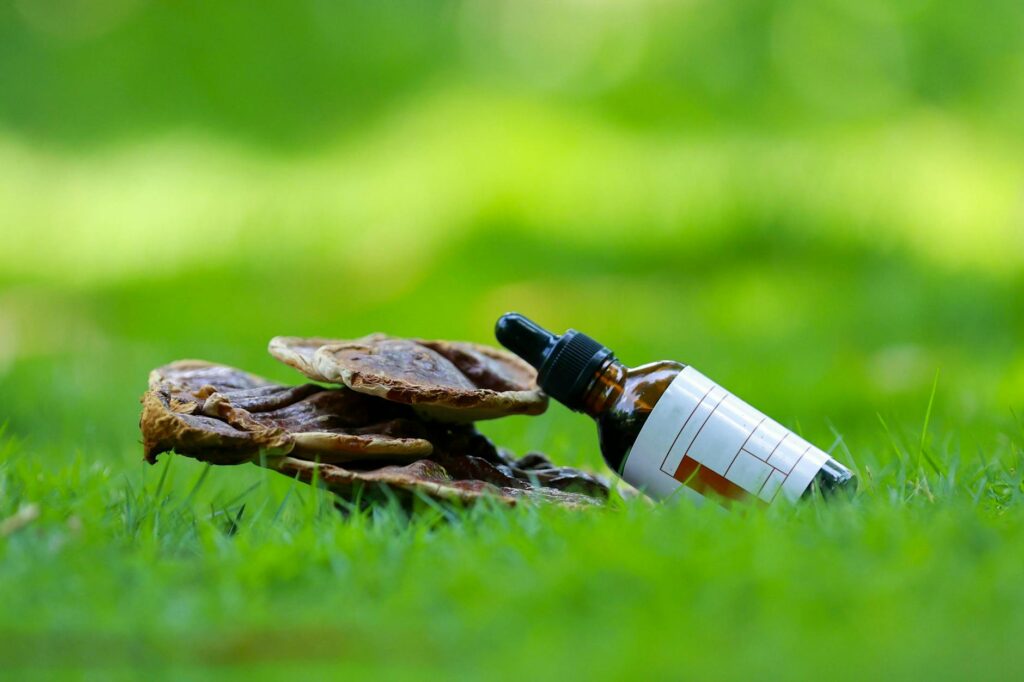
Reishi mushroom extract is derived from the fruiting body of the reishi mushroom and is typically available in various forms, including powders, capsules, and tinctures. The extraction process often involves water or alcohol to draw out the beneficial compounds from the mushroom, yielding a concentrated product that retains the bioactive components. Reishi mushrooms are characterized by their glossy red-brown caps and woody texture, making them distinct in appearance.
The main active compounds in reishi include polysaccharides, triterpenes, and peptidoglycans, which are believed to contribute to its many purported health benefits. The extract is often used as a dietary supplement and in holistic practices, promoting overall well-being and balance.
Key Benefits and Properties
Reishi mushroom extract is lauded for its potential health benefits, which include:
- Immune Support: Reishi is thought to enhance immune function by modulating the immune response, helping the body defend against various pathogens.
- Stress Reduction: Adaptogenic properties of reishi may help the body cope with stress, promoting relaxation and emotional balance.
- Antioxidant Properties: The extract contains powerful antioxidants that help combat oxidative stress, potentially reducing cellular damage.
- Anti-Inflammatory Effects: Some studies suggest that reishi may help to reduce inflammation, contributing to overall health and well-being.
- Cognitive Support: There is ongoing research into the effects of reishi on cognitive function, with some evidence suggesting it may support memory and mental clarity.
- Dietary Supplements: Reishi extract is often taken in capsule or powder form, mixed into smoothies, teas, or other beverages.
- Herbal Teas: Reishi can be brewed as a tea, often combined with other herbs for enhanced flavor and benefits.
- Tinctures: Alcohol-based tinctures can be taken directly or added to beverages for easy consumption.
- Skincare Products: Due to its anti-inflammatory and antioxidant properties, reishi extract is sometimes incorporated into skincare formulations.
- Diffusion: While reishi extract is not typically diffused like essential oils, it can be combined with carrier oils or other essential oils in a blend. For instance, mixing reishi extract with calming oils like lavender or cedarwood can create a relaxing atmosphere.
- Topical Application: When diluted with a carrier oil, reishi extract can be applied to the skin. This may provide soothing effects, particularly for those experiencing inflammation or skin irritations.
- Bath Rituals: Adding reishi extract to bath products or bath oils can create a calming and restorative experience, promoting relaxation and stress relief.
- Inhalation: While not recommended for direct inhalation, reishi can be used in steam inhalation when combined with other essential oils known for their beneficial properties.
- Allergies: Individuals with a known allergy to mushrooms should avoid reishi extract.
- Medication Interactions: Reishi may interact with certain medications, particularly blood thinners and immunosuppressants. It is advisable to consult a healthcare provider before incorporating reishi into your routine if you are on medication.
- Pregnancy and Breastfeeding: The safety of reishi extract during pregnancy and breastfeeding has not been well studied. Caution is advised, and consulting a healthcare professional is recommended.
- Side Effects: Some individuals may experience gastrointestinal upset, dizziness, or skin rashes when taking reishi. If any adverse effects occur, it is advisable to discontinue use.
- Cool, Dry Place: Store reishi extract in a cool, dry place away from direct sunlight and moisture. A dark cabinet or pantry is ideal.
- Airtight Containers: Keep the extract in airtight containers to prevent exposure to air and humidity, which can degrade its quality.
- Check Expiration Dates: Always check the expiration date on the packaging. While some extracts may remain potent for several years, freshness is crucial for optimal benefits.
It is important to note that while these benefits are widely acknowledged in herbal medicine, scientific research is still ongoing to fully understand the mechanisms and potential effects of reishi mushroom extract.
Common Uses
Reishi mushroom extract can be incorporated into a variety of health and wellness routines. Common uses include:
Aromatherapy Applications
In the realm of aromatherapy, reishi mushroom extract can be used in various ways to enhance emotional and physical wellness. Although not an essential oil itself, reishi can be incorporated into aromatherapy practices through the following methods:
Safety Considerations
While reishi mushroom extract is generally considered safe for most people, there are some important safety considerations to keep in mind:
Storage and Shelf Life
To ensure the longevity and efficacy of reishi mushroom extract, proper storage is essential. Here are some guidelines:
Frequently Asked Questions
1. Can I take reishi mushroom extract daily?
Yes, many people use reishi extract as a daily supplement. However, it is advisable to start with a smaller dose and monitor your body’s response.
2. How should I incorporate reishi mushroom extract into my diet?
Reishi extract can be added to smoothies, teas, or other beverages. It can also be taken in capsule form or mixed with honey to enhance its flavor.
3. Is reishi mushroom extract safe for children?
While reishi is generally safe for adults, the use of reishi extract in children should be approached with caution. It is advisable to consult a healthcare professional before giving reishi to children.
4. How long does it take to feel the effects of reishi mushroom extract?
The effects of reishi mushroom extract can vary from person to person. Some individuals may notice benefits within a few days, while others may take weeks to experience the full effects.
5. Are there any contraindications for taking reishi mushroom extract?
Individuals with allergies to mushrooms or those taking certain medications should consult a healthcare provider before using reishi extract. Pregnant or breastfeeding women should also seek professional advice.
—
Reishi mushroom extract represents a fascinating blend of ancient tradition and modern wellness practices. Whether you are considering it for its potential health benefits or its applications in aromatherapy, understanding how to use and store this extract safely will enhance your experience. As always, it is essential to approach any supplement with awareness and mindfulness, ensuring it aligns with your personal health goals and lifestyle.