
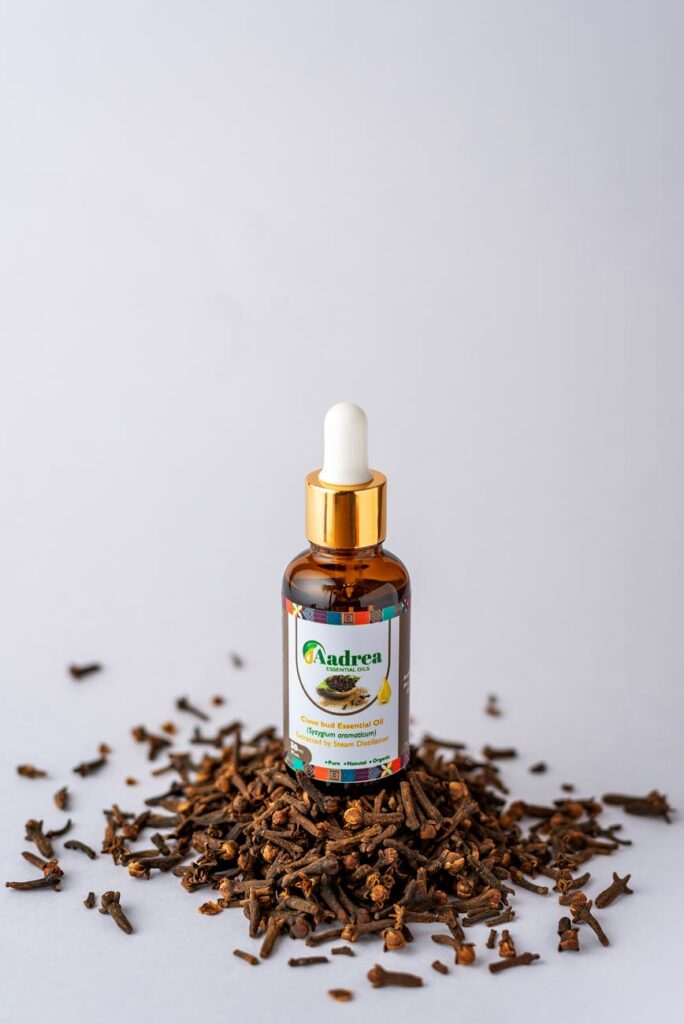
How to Use Resin Extracts
Introduction
Resin extracts have been utilized for centuries across various cultures for their aromatic properties and potential benefits. These viscous substances, derived from tree saps, contain a rich variety of organic compounds that contribute to their unique fragrances and therapeutic attributes. This article will delve into the nature of resin extracts, their benefits, common uses, applications in aromatherapy, safety considerations, storage, and frequently asked questions, providing a comprehensive understanding of these fascinating natural substances.
What Are Resin Extracts?
Resin extracts are sticky, viscous substances produced by certain trees and plants as a response to injury or stress. These extracts serve multiple purposes for the plant, including protecting against pathogens, healing wounds, and deterring herbivores. The most well-known resins include frankincense, myrrh, copal, and benzoin.
The extraction process typically involves tapping the tree to collect the sap, which is then allowed to harden before being processed into essential oils or other forms. Resin extracts are often used in incense, perfumes, and traditional medicine, and their aromatic qualities make them particularly appealing in the realms of aromatherapy and holistic wellness.
Key Benefits and Properties
Resin extracts are celebrated for their unique compositions, which often include a variety of terpenes, phenolic compounds, and other bioactive substances. Some of the key benefits and properties associated with resin extracts include:
1. Antimicrobial Properties: Many resins possess natural antimicrobial qualities, making them useful in various applications, from traditional medicine to modern hygiene products.
2. Anti-inflammatory Effects: Certain resins are known to exhibit anti-inflammatory properties, which can be beneficial when used in topical applications or diffused into the air.
3. Mood Enhancement: The aromatic compounds found in resin extracts can have uplifting and calming effects on mood, making them popular in aromatherapy practices.
4. Spiritual and Ritual Significance: Resins like frankincense and myrrh have been used for centuries in religious and spiritual practices due to their ability to promote a tranquil atmosphere.
5. Skin Health: Some resin extracts are known for their skin-soothing properties and are often used in cosmetic formulations.
Common Uses
Resin extracts find a place in various aspects of daily life, with applications spanning from personal care to home fragrance. Here are some common uses:
- Incense: Many resin extracts are burned as incense during spiritual or meditative practices, creating a calming atmosphere.
- Perfumes: The fragrant properties of resins make them an excellent base note in perfumery, contributing depth and warmth to scents.
- Potpourri: Dried resin pieces can be added to potpourri blends for a long-lasting fragrance in living spaces.
- Massage Oils: When diluted with carrier oils, resin extracts can be used in massage oils to impart relaxation and relief.
- Natural Remedies: In traditional practices, some resins are used to create remedies for various ailments, though they should not replace professional medical advice.
- Dilution: Always dilute resin extracts with a carrier oil before applying them to the skin to avoid irritation. A typical dilution ratio is 2-3 drops of essential oil per teaspoon of carrier oil.
- Patch Test: Conduct a patch test before using any new resin extract topically, especially for those with sensitive skin. Apply a small amount of diluted resin extract to a discreet area and observe for any adverse reactions.
- Pregnancy and Nursing: Pregnant or nursing individuals should consult with a healthcare professional before using resin extracts, as some may not be suitable during this period.
- Allergies: Those with known allergies to specific plants or tree saps should exercise caution and avoid resin extracts derived from those sources.
- Not for Ingestion: Most resin extracts are not intended for internal use. Ingesting essential oils can be harmful and should only be done under the guidance of a qualified healthcare professional.
- Cool, Dark Place: Store resin extracts in a cool, dark place away from direct sunlight and heat, which can degrade their quality.
- Tightly Sealed Containers: Use amber or cobalt glass bottles with tight seals to protect the extracts from light and air exposure.
- Check Expiry Dates: While resin extracts can have a long shelf life, it is essential to check for any changes in aroma, color, or consistency that may indicate spoilage.
- Labeling: Always label your resin extracts with the date of purchase and any relevant information to keep track of their freshness.
Aromatherapy Applications
Aromatherapy is the practice of using essential oils and aromatic compounds to enhance physical, emotional, and spiritual well-being. Resin extracts play a significant role in this field. Here are some ways they can be incorporated into aromatherapy:
1. Diffusion: Resin extracts can be added to a diffuser, allowing their aromatic compounds to fill a room. This can create a soothing environment, perfect for meditation or relaxation.
2. Topical Application: When diluted with a carrier oil, resin extracts can be applied to the skin. This method allows for direct absorption of the beneficial compounds.
3. Bath Products: Adding resin extracts to bath products or bath oils can enhance relaxation and create a spa-like experience at home.
4. Inhalation: Inhaling the aroma of resin extracts directly from the bottle or through steam inhalation can help promote a sense of calm and relaxation.
5. Candle Making: Resin extracts can be incorporated into homemade candles, releasing their aroma when burned.
Safety Considerations
While resin extracts are generally considered safe for use, there are some precautions to keep in mind:
Storage and Shelf Life
Proper storage is crucial for maintaining the quality and efficacy of resin extracts. Here are some tips:
Frequently Asked Questions
1. Can I use resin extracts in cooking?
Resin extracts are generally not intended for culinary use and should not be ingested without professional guidance. Many are highly concentrated and can be toxic if ingested.
2. How do I know which resin extract to use?
The choice of resin extract often depends on the desired effect. For relaxation, frankincense is popular, while myrrh is often used for its grounding properties. Researching each resin’s unique qualities can guide your selection.
3. Can resin extracts be combined with other essential oils?
Yes, resin extracts can be blended with other essential oils to create unique aroma profiles. However, it is essential to consider compatibility and balance in scent strength.
4. Are resin extracts vegan-friendly?
Most resin extracts are considered vegan, as they are derived from plants. However, it is advisable to check for any additives or processing methods that may not align with vegan principles.
5. How can I incorporate resin extracts into my daily routine?
You can incorporate resin extracts into your daily routine through diffusion, topical application, or even in bath rituals. Experimenting with different uses can help you find what resonates best with you.
Conclusion
Resin extracts offer a rich tapestry of aromatic and therapeutic properties that have been treasured across cultures for centuries. From their historical significance to modern applications in aromatherapy and personal care, these natural substances continue to captivate those seeking holistic and sensory experiences. By understanding how to use resin extracts safely and effectively, individuals can enhance their well-being and connect with the timeless tradition of utilizing nature’s gifts.