
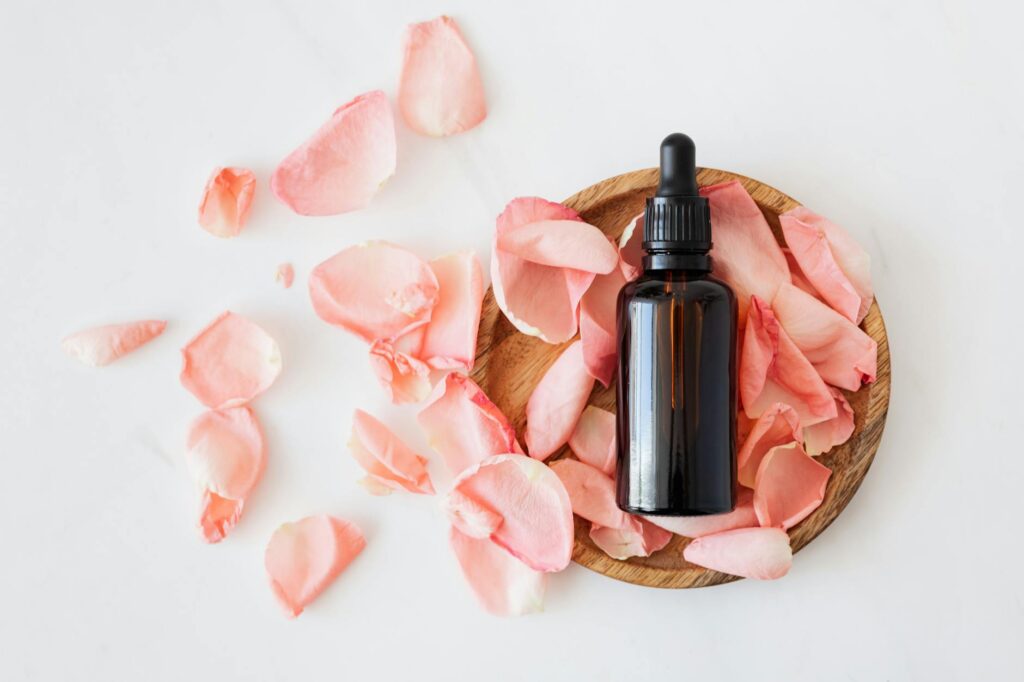
How to Use Rose Essential Oil
Introduction
Rose essential oil, often referred to as the “queen of essential oils,” has captivated hearts and senses for centuries. Revered for its exquisite fragrance and numerous benefits, rose oil is extracted from the petals of the Rosa damascena (Damask rose) or Rosa centifolia (cabbage rose). This oil not only enhances emotional well-being but can also serve as a valuable addition to personal care and household products. This article explores the nature of rose essential oil, its benefits, applications, and safe usage.
What Is Rose Essential Oil?
Rose essential oil is derived through steam distillation or solvent extraction of rose petals. The process captures the delicate aroma and therapeutic properties of the flowers. Notably, it takes several thousand rose petals to produce just a small amount of essential oil, making it one of the most expensive oils on the market. This luxurious oil is characterized by its sweet, floral scent, which can evoke feelings of joy and relaxation.
Key Benefits and Properties
Rose essential oil boasts a variety of properties, making it highly valued in aromatherapy, skincare, and holistic practices. Here are some of its key benefits:
Emotional Well-Being
Rose oil is known for its uplifting properties. Its aroma can promote feelings of happiness and reduce stress and anxiety. Many individuals use it to create a calming atmosphere, enhancing feelings of love and compassion.
Skin Care
Due to its anti-inflammatory and antiseptic properties, rose essential oil is often included in skincare formulations. It can help soothe irritated skin, reduce redness, and promote a healthy complexion. Additionally, its moisturizing qualities make it beneficial for dry skin.
Antibacterial and Antimicrobial
Research suggests that rose essential oil possesses antibacterial and antimicrobial properties. This makes it a suitable option for natural cleaning products and personal care items, helping to inhibit the growth of certain bacteria.
Hormonal Balance
While more research is needed, some studies suggest that rose essential oil may support hormonal balance, particularly during menstruation. Its calming properties may help ease discomfort and emotional fluctuations.
Common Uses
Rose essential oil can be utilized in various ways, including:
Aromatherapy
Inhaling the scent of rose oil can provide emotional support and relaxation. Diffusing it in a room can create a calming environment and elevate mood.
Skin Care Products
Rose oil can be found in serums, creams, and lotions. It is often mixed with carrier oils to enhance its application on the skin.
Bath Products
Adding a few drops of rose essential oil to a warm bath can create a luxurious and aromatic experience. This practice may help relieve stress and promote relaxation.
Personal Fragrance
Due to its captivating scent, rose essential oil can be used as a natural perfume. It can be blended with other essential oils or carrier oils for a unique fragrance.
Massage Oil
When diluted with a carrier oil, rose essential oil can be used for massage. This combination can enhance relaxation and provide a soothing experience.
Aromatherapy Applications
Diffusion
Using a diffuser is one of the most popular methods to enjoy the benefits of rose essential oil. Add a few drops to your diffuser with water, and let the aroma fill your space. This can help create a serene environment for meditation, yoga, or simply unwinding after a long day.
Inhalation
Direct inhalation is another effective way to experience the effects of rose essential oil. Place a drop or two on a tissue or cotton ball and inhale deeply. This method can be particularly beneficial during moments of stress or anxiety.
Room Spray
Creating a room spray with rose essential oil can help freshen your living space. Combine distilled water, a few drops of rose oil, and a small amount of alcohol in a spray bottle. Shake well before each use and spray in your desired areas.
Bath Soak
To enjoy the benefits of rose essential oil in a bath, mix a few drops with a carrier oil or Epsom salts before adding it to your bathwater. This helps distribute the oil evenly and enhances the overall experience.
Safety Considerations
While rose essential oil is generally considered safe for most individuals when used appropriately, there are several safety considerations to keep in mind:
Skin Sensitivity
Before applying rose oil topically, it is advisable to conduct a patch test. Dilute a small amount with a carrier oil and apply it to a discreet area of skin. Wait 24 hours to check for any adverse reactions before widespread use.
Pregnancy and Breastfeeding
Pregnant or breastfeeding individuals should consult with a qualified healthcare professional before using essential oils, including rose oil, to ensure safety.
Avoiding Ingestion
Rose essential oil should not be ingested unless under the guidance of a qualified professional. Ingesting essential oils can lead to adverse effects and should be approached with caution.
Interaction with Medications
If you are taking medications, consult with a healthcare professional before using rose essential oil, as it may interact with certain medications.
Storage and Shelf Life
To maintain the quality of rose essential oil, proper storage is essential. Store the oil in a cool, dark place, away from direct sunlight and heat sources. A dark glass bottle is ideal for preserving the oil’s integrity. When stored correctly, rose essential oil can last for several years. However, it is advisable to check for changes in scent, color, or consistency, which may indicate that the oil has expired.
Frequently Asked Questions
1. What is the best way to use rose essential oil for relaxation?
Diffusing rose essential oil in your living space or adding it to a warm bath are excellent methods for promoting relaxation. Inhaling the aroma directly can also provide immediate calming effects.
2. Can rose essential oil be used on all skin types?
While rose essential oil is generally safe for most skin types, those with sensitive skin should dilute it with a carrier oil before application. Conducting a patch test is recommended to check for any adverse reactions.
3. How can I incorporate rose essential oil into my skincare routine?
Rose essential oil can be added to creams, serums, or lotions. Mix a few drops with a carrier oil, such as jojoba or almond oil, and apply it to your skin for hydration and soothing benefits.
4. Is rose essential oil suitable for children?
Rose essential oil can be used with children, but it is crucial to dilute it properly and consult with a healthcare professional for age-appropriate guidance.
5. How do I know if my rose essential oil is pure?
To ensure you are purchasing pure rose essential oil, look for reputable brands that provide information about the oil’s sourcing and production methods. Certifications or third-party testing can also indicate quality.
Conclusion
Rose essential oil is a versatile and cherished oil known for its emotional and physical benefits. From enhancing your skincare routine to creating a tranquil atmosphere, its applications are diverse and rewarding. By understanding how to use and care for this precious oil, you can fully appreciate its beauty and benefits in your daily life. As with all essential oils, approach usage with awareness and respect for its potency, ensuring a safe and enjoyable experience.