
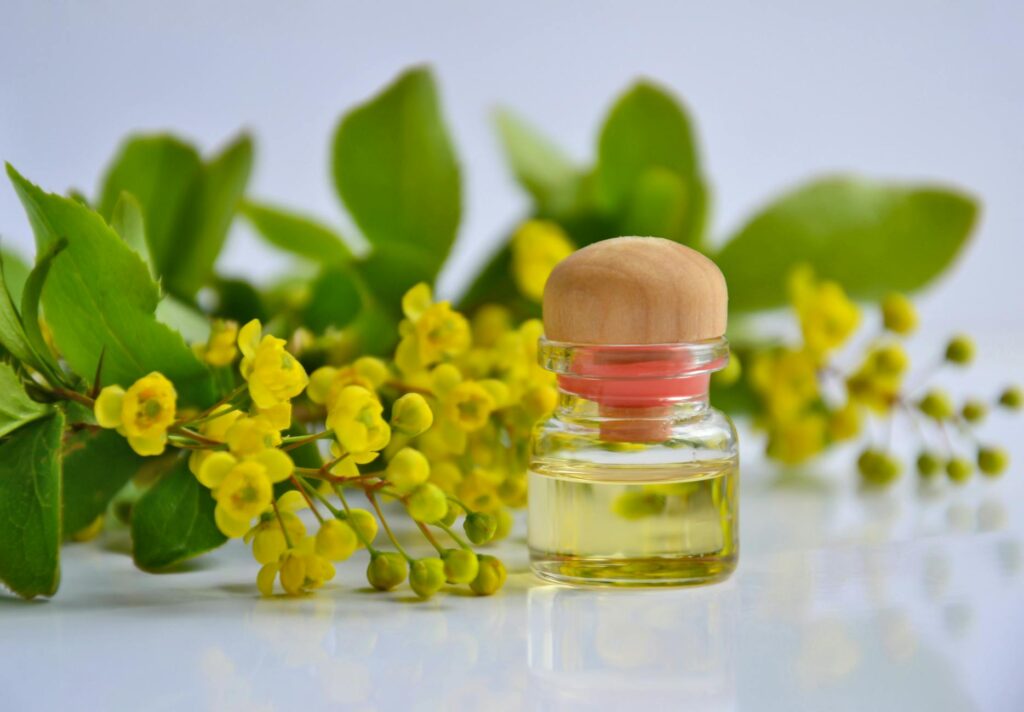
How to Use Rose Hydrosols
Introduction
Rose hydrosol, also known as rosewater, is a byproduct of the steam distillation of rose petals. Esteemed for its alluring fragrance and numerous benefits, rose hydrosol has been used for centuries in various cultures for its aromatic and therapeutic properties. This article aims to provide a comprehensive understanding of rose hydrosol, including its definition, benefits, common uses, applications in aromatherapy, safety considerations, and storage.
What Is Rose Hydrosols?
Rose hydrosol is created during the process of extracting essential oil from fresh rose petals. When steam passes through the plant material, volatile compounds are released and subsequently condensed. The resulting liquid contains both the essential oil and water-soluble components of the rose plant. While the essential oil is highly concentrated, the hydrosol is gentler and can be used in a variety of applications.
Typically derived from Rosa damascena or Rosa centifolia, rose hydrosol is characterized by its light pink hue and sweet, floral aroma. It is suitable for a range of uses, making it a versatile addition to both personal care products and home remedies.
Key Benefits and Properties
Rose hydrosol is celebrated for its numerous beneficial properties, which include:
1. Astringent Properties: It can help tighten and tone the skin, making it popular in skincare regimens.
2. Hydrating: The gentle nature of rose hydrosol provides hydration to the skin without the heaviness of oils.
3. Soothing and Calming: Its calming scent can help reduce feelings of stress and anxiety, promoting relaxation.
4. Antioxidant-Rich: Contains compounds that can help fight free radicals, potentially supporting skin health.
5. Anti-inflammatory: Its properties may help soothe minor skin irritations and redness.
6. Balancing: Rose hydrosol is believed to balance the skin’s pH, making it suitable for various skin types, including sensitive skin.
7. Natural Fragrance: Its delightful aroma makes it a popular choice for use in perfumes and body sprays.
Common Uses
Rose hydrosol can be utilized in various ways, including:
- Facial Toner: After cleansing, it can be spritzed on the face to refresh and hydrate the skin.
- Makeup Setting Spray: It can be used to set makeup, providing a natural glow.
- Hair Rinse: Mixed with water, it can be added to hair rinses to add fragrance and potential conditioning properties.
- Bath Additive: A few drops in bathwater can enhance the bathing experience with its soothing aroma.
- Linen Spray: It can be used as a natural fabric freshener for linens and clothing.
- Culinary Uses: In certain cultures, rose hydrosol can be used in food and beverage applications, imparting a delightful floral note.
- Patch Test: If you have sensitive skin, it’s advisable to perform a patch test before widespread use. Apply a small amount to a discreet area and wait 24 hours to check for any adverse reactions.
- Pregnancy and Nursing: Although rose hydrosol is considered safe, it is always best to consult with a healthcare professional if you are pregnant or nursing.
- Storage: Keep rose hydrosol in a cool, dark place to maintain its quality and extend its shelf life.
- Quality: Ensure that the hydrosol is 100% pure and free from synthetic additives. Low-quality products may contain preservatives or other chemicals that could cause skin irritation.
- Container: Store in glass or dark plastic bottles to protect it from light, which can degrade its quality.
- Temperature: Keep it in a cool, dark area, away from direct sunlight and heat sources.
- Shelf Life: Typically, rose hydrosol has a shelf life of 1 to 3 years, depending on its quality and storage conditions. Always check for any changes in smell or appearance, as these could indicate spoilage.
Aromatherapy Applications
In the field of aromatherapy, rose hydrosol is valued for its calming and uplifting properties. Here are some common applications:
1. Room Spray: Diluted in water, rose hydrosol can be used as an air freshener to create a tranquil atmosphere.
2. Massage Oil Base: It can serve as a base for massage oils, diluting essential oils while imparting its own soothing aroma.
3. Meditation Aid: Spraying rose hydrosol in the surrounding area may enhance the meditation experience, supporting emotional balance and tranquility.
4. Bath Soak: Adding rose hydrosol to bathwater can create an aromatic environment that enhances relaxation during baths.
5. Inhalation: A few sprays in the air can provide an uplifting scent for stress relief during anxious moments.
Safety Considerations
While rose hydrosol is generally considered safe for most people, there are a few safety considerations to keep in mind:
Storage and Shelf Life
To ensure the longevity of rose hydrosol, consider the following storage tips:
Frequently Asked Questions
1. Can I use rose hydrosol on all skin types?
Yes, rose hydrosol is generally suitable for all skin types, including sensitive skin. However, performing a patch test is recommended.
2. How often can I use rose hydrosol?
You can use rose hydrosol daily. It can be applied multiple times a day as a facial toner or spritzed on the body for hydration.
3. Is rose hydrosol safe for children?
Rose hydrosol is typically safe for children, but it is advisable to consult a pediatrician before using it, especially for very young children.
4. Can rose hydrosol be ingested?
While some people use rose hydrosol in culinary applications, it’s essential to ensure that the product is food-grade. Always consult with a knowledgeable source before ingesting.
5. How does rose hydrosol differ from rose essential oil?
Rose hydrosol is a diluted form of the rose plant, containing both water-soluble and volatile components. In contrast, rose essential oil is highly concentrated and should be used with caution, typically requiring dilution before application.
6. Can I use rose hydrosol in DIY skincare?
Yes, rose hydrosol can be a wonderful addition to DIY skincare recipes, such as lotions, creams, and serums, thanks to its hydrating and soothing properties.
Conclusion
Rose hydrosol is a versatile and beneficial product that can enhance both personal care routines and aromatherapy practices. Its gentle nature and delightful fragrance make it an appealing choice for a variety of uses. By understanding its properties and applications, one can incorporate rose hydrosol into daily life for an added touch of floral elegance and tranquility. Always remember to prioritize quality and safety when selecting and using rose hydrosol to ensure the best experience.