
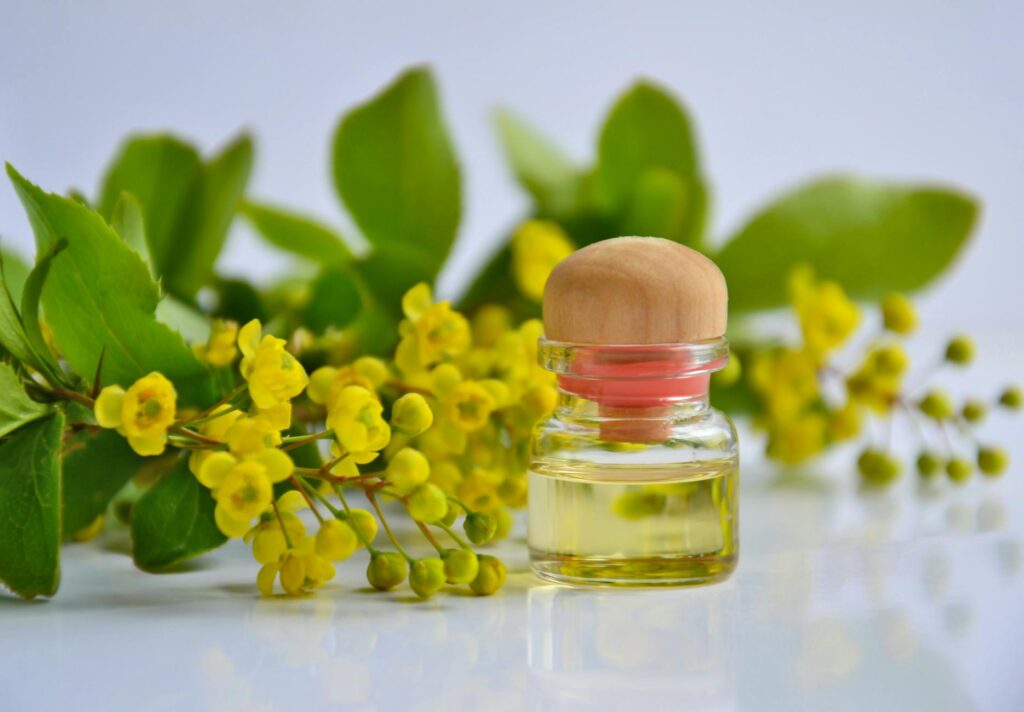
How to Use Rose Oil Safely
Introduction
Rose oil, derived from the petals of the Rosa damascena (Damask rose), is one of the most cherished essential oils in the world of aromatherapy. Known for its captivating fragrance and numerous therapeutic properties, rose oil has a long-standing history of use in various cultures for its emotional and physical benefits. However, as with any essential oil, understanding how to use rose oil safely is crucial to maximizing its benefits while minimizing any potential risks. This article explores the safety of rose oil, its key benefits, common uses, and important safety considerations.
What Is Rose Oil Safety?
Rose oil safety refers to the practices and guidelines that ensure the responsible use of rose oil to avoid adverse reactions or complications. Essential oils, including rose oil, are highly concentrated extracts that can trigger sensitivities or allergic reactions in some individuals. Therefore, understanding the proper applications, dilution ratios, and contraindications is essential for safe usage.
Key Benefits and Properties
Rose oil is renowned for its rich composition of bioactive compounds, which contribute to its myriad benefits. Some of the key properties of rose oil include:
1. Emotional Well-being: Rose oil is often used to alleviate feelings of stress, anxiety, and depression. Its soothing aroma is believed to promote relaxation and emotional stability.
2. Skin Health: The oil has anti-inflammatory and antiseptic properties, making it beneficial for various skin conditions. It is commonly used in skincare products to soothe irritated skin and promote a radiant complexion.
3. Hormonal Balance: Rose oil is thought to help regulate hormonal imbalances, making it a popular choice during menstrual cycles or menopause.
4. Anti-Aging: Due to its high antioxidant content, rose oil may assist in minimizing the appearance of fine lines and wrinkles, promoting youthful skin.
5. Anti-Inflammatory: The oil has been noted for its potential to reduce inflammation, which can be helpful for various bodily discomforts.
Common Uses
Rose oil can be utilized in various ways, each catering to different needs and preferences:
- Diffusion: Adding a few drops of rose oil to a diffuser can create a calming atmosphere, perfect for relaxation or meditation.
- Topical Application: When diluted with a carrier oil, rose oil can be applied directly to the skin to benefit from its soothing properties.
- Bathing: Incorporating rose oil into bathwater can provide a luxurious experience while promoting relaxation.
- Massage: Rose oil, when blended with a carrier oil, can enhance massage treatments, aiding in relaxation and providing skin benefits.
- Culinary Uses: In some cultures, rose oil is used sparingly in culinary applications, such as flavoring desserts and beverages.
- Cool, Dark Place: Store rose oil in a cool, dark location away from direct sunlight. Exposure to light and heat can degrade the oil.
- Sealed Containers: Use dark glass containers to protect the oil from light and air, which can also compromise its quality.
- Shelf Life: Generally, rose oil has a shelf life of 2-3 years when stored correctly. However, always check for any changes in color, scent, or consistency before use.
Aromatherapy Applications
Aromatherapy is one of the most popular methods for utilizing rose oil. Its fragrant profile can be beneficial in various contexts:
1. Stress Relief: Inhalation of rose oil can help reduce anxiety and promote a sense of calm.
2. Enhancing Mood: Rose oil can uplift the spirit and enhance emotional well-being, making it a favorite among those seeking to improve their mental state.
3. Sleep Aid: The relaxing properties of rose oil can assist in creating a peaceful environment conducive to sleep.
4. Meditation: Using rose oil during meditation can deepen the experience, helping to center the mind and spirit.
Safety Considerations
While rose oil offers numerous benefits, it is essential to adhere to specific safety precautions to ensure its safe usage:
1. Dilution: Essential oils are highly concentrated, and it is crucial to dilute rose oil with a carrier oil (such as jojoba, sweet almond, or coconut oil) before topical application. A common dilution ratio is 1-2% (i.e., 1-2 drops of rose oil per teaspoon of carrier oil).
2. Patch Test: Prior to widespread use, conduct a patch test by applying a diluted drop of rose oil to a small area of skin to check for any adverse reactions.
3. Pregnancy and Nursing: Pregnant women and nursing mothers should consult a healthcare provider before using rose oil, as hormonal properties may affect their condition.
4. Allergies and Sensitivities: Individuals with known allergies to roses or related plants should avoid using rose oil.
5. Avoiding Mucous Membranes: Rose oil should not be applied near the eyes, nose, or other sensitive areas as it may cause irritation.
6. Children and Pets: Use caution when using rose oil around children and pets. Always consult with a professional regarding safe usage around animals.
7. Avoid Sun Exposure: Some essential oils can increase photosensitivity; however, rose oil is generally considered safe in this regard. Nevertheless, it’s best to avoid sun exposure on areas where rose oil has been applied.
Storage and Shelf Life
Proper storage of rose oil is essential to maintain its integrity and effectiveness:
Frequently Asked Questions
Is rose oil safe for everyone?
While rose oil is generally safe, individuals with specific allergies, pregnant or nursing women, and those with certain medical conditions should consult a healthcare professional prior to use.
How can I tell if my rose oil is pure?
Look for reputable brands that provide information about their sourcing and distillation processes. Pure rose oil should have a rich, floral aroma without synthetic undertones.
Can I ingest rose oil?
Ingesting essential oils, including rose oil, is not recommended unless under the guidance of a qualified healthcare professional. Essential oils are highly concentrated and can be toxic when consumed improperly.
What carrier oils are best for diluting rose oil?
Common carrier oils suitable for diluting rose oil include jojoba oil, sweet almond oil, coconut oil, and grapeseed oil. Choose a carrier oil that suits your skin type and preferences.
Can I use rose oil in a diffuser?
Yes, rose oil is excellent for diffusion. Add a few drops to your diffuser, and enjoy its calming and uplifting effects in your space.
What should I do if I experience an allergic reaction to rose oil?
If you suspect an allergic reaction, discontinue use immediately and wash the affected area with soap and water. If symptoms persist, consult a healthcare professional.
Conclusion
Rose oil is a versatile and valuable essential oil that offers a range of benefits, from emotional support to skincare. Understanding how to use it safely is imperative for reaping its rewards without adverse effects. By following the outlined safety considerations, storing the oil correctly, and being informed about its applications, you can enjoy the exquisite essence of rose oil to enhance your well-being. Remember that, as with all essential oils, individual responses may vary, and it is always wise to approach their use with care and mindfulness.