
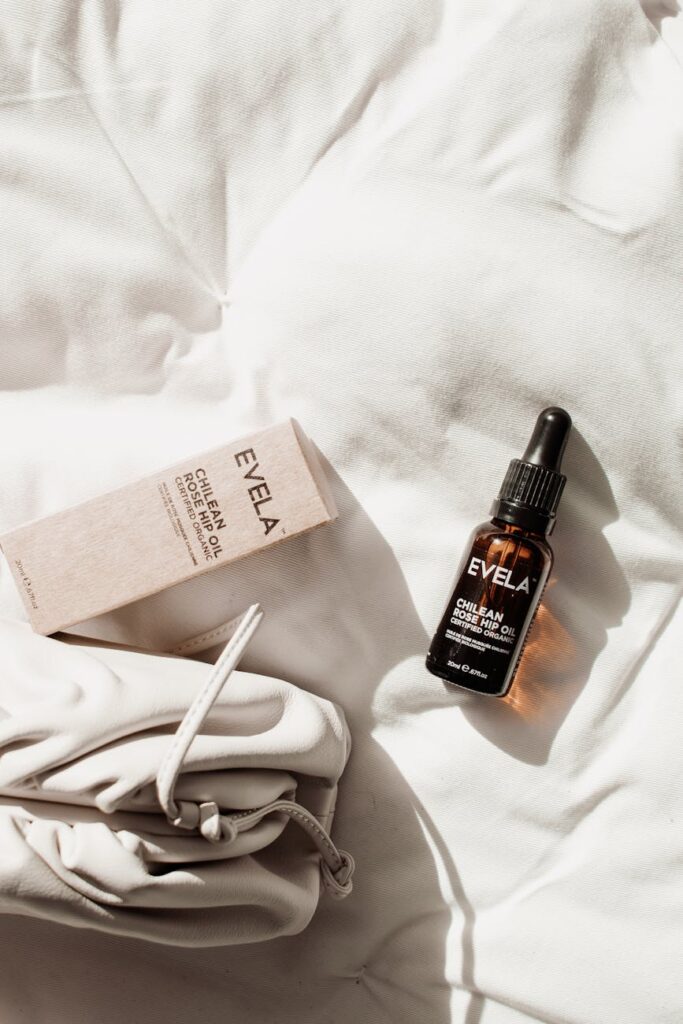
How to Use Rosehip Oil
Introduction
Rosehip oil has gained significant popularity in the realm of natural skincare and wellness. Extracted from the seeds of the wild rose bush (Rosa canina), this oil is rich in essential fatty acids, vitamins, and antioxidants, making it a highly sought-after ingredient in cosmetic formulations and holistic practices. This article aims to provide a comprehensive overview of rosehip oil, its benefits, common applications, safety considerations, and best practices for storage.
What Is Rosehip Oil?
Rosehip oil is derived from the fruit (or hip) of the rose plant, specifically the seeds. The extraction process typically involves cold-pressing the seeds, which helps retain the oil’s beneficial properties. The oil is characterized by its light texture, amber color, and mild, earthy scent, making it an excellent addition to various skincare and aromatherapy practices.
Rich in linoleic acid (omega-6), oleic acid (omega-9), and other essential fatty acids, rosehip oil is renowned for its moisturizing and nourishing qualities. It also contains vitamins A, C, and E, as well as a range of antioxidants, which contribute to its effectiveness in promoting skin health.
Key Benefits and Properties
Rosehip oil is celebrated for its multitude of benefits, particularly in skincare. Some of its key properties include:
1. Moisturization: The essential fatty acids present in rosehip oil help to hydrate and nourish the skin, making it an excellent choice for those with dry or sensitive skin.
2. Anti-Aging: Rich in antioxidants and vitamins, rosehip oil may help combat the signs of aging by promoting skin elasticity and reducing the appearance of fine lines and wrinkles.
3. Scar Healing: Many users find that rosehip oil aids in the reduction of scars and hyperpigmentation, thanks to its regenerative properties.
4. Anti-Inflammatory: The oil’s anti-inflammatory properties can help soothe irritated skin conditions, making it beneficial for those with eczema or rosacea.
5. Brightening: The high vitamin C content in rosehip oil can help brighten the skin and even out skin tone.
6. Nourishing Hair: Beyond skincare, rosehip oil can also be used to nourish and condition hair, providing shine and moisture.
Common Uses
Rosehip oil can be incorporated into daily routines in several ways, including:
- Facial Oil: Apply a few drops of rosehip oil directly to the skin after cleansing, or mix it with your favorite moisturizer to enhance hydration.
- Serum: Use rosehip oil as a base for DIY serums, combining it with other beneficial oils or essential oils for added benefits.
- Hair Treatment: Apply rosehip oil to the ends of hair to combat dryness and improve shine. It can also be used as a pre-shampoo treatment.
- Massage Oil: Blend rosehip oil with carrier oils for a soothing massage oil that hydrates the skin.
- Body Lotion: Add rosehip oil to homemade body lotions or creams for added nourishment.
- Patch Test: Before using rosehip oil on larger areas of the skin, conduct a patch test. Apply a small amount to a discreet area and wait 24 hours to check for any adverse reactions.
- Pregnancy and Nursing: Although rosehip oil is considered safe, it is advisable for pregnant or nursing individuals to consult a healthcare professional before use.
- Sensitivity: Some individuals may have sensitivities to rosehip oil. If irritation occurs, discontinue use and consult a dermatologist.
- Not for Ingestion: Rosehip oil is intended for external use only and should not be ingested.
- Keep it Cool: Store rosehip oil in a cool, dark place away from direct sunlight and heat. A refrigerator can be an excellent option for preserving its properties.
- Use Dark Glass Containers: Ideally, rosehip oil should be stored in dark glass bottles to protect it from light degradation.
- Shelf Life: When stored correctly, rosehip oil typically has a shelf life of about 6 to 12 months. However, it’s best to check for signs of rancidity, such as an off smell or change in color, before use.
Aromatherapy Applications
In addition to its skincare benefits, rosehip oil can be utilized in aromatherapy practices. While it is not typically used as an essential oil due to its heavier consistency, it can still play a role in various aromatic applications:
1. Blending: Rosehip oil can be blended with essential oils to create personalized skincare formulations. Its nourishing properties complement many essential oils, making it an ideal base for facial oils or serums.
2. Diffusion: While not commonly diffused, rosehip oil can be combined with lighter essential oils in a diffuser blend to create a calming environment. The oil’s subtle scent can enhance relaxation.
3. Bath Additive: Add a few drops of rosehip oil to bathwater for a moisturizing soak. Its soothing properties can enhance the overall bathing experience.
4. Inhalation: Inhaling the aroma of rosehip oil combined with other essential oils may promote relaxation and calmness, though it should be used sparingly due to its heavier texture.
Safety Considerations
While rosehip oil is generally considered safe for topical use, there are some important safety considerations to keep in mind:
Storage and Shelf Life
To maintain the quality and efficacy of rosehip oil, proper storage is essential:
Frequently Asked Questions
1. Can I use rosehip oil on all skin types?
Yes, rosehip oil is suitable for most skin types, including dry, oily, and combination skin. However, individuals with very oily skin may want to use it sparingly.
2. How often should I apply rosehip oil?
Frequency of application can vary based on individual needs. For best results, apply rosehip oil once or twice daily, particularly after cleansing.
3. Can rosehip oil help with acne?
While rosehip oil can be beneficial for reducing the appearance of scars and promoting skin healing, it may not be suitable for everyone with active acne. Its comedogenic rating is low, but individual reactions can vary.
4. Is rosehip oil safe for sensitive skin?
Many individuals with sensitive skin find rosehip oil soothing. However, a patch test is recommended to ensure compatibility.
5. Can I mix rosehip oil with other oils?
Yes, rosehip oil can be blended with other carrier oils or essential oils to enhance its effects. Popular combinations include jojoba oil, argan oil, and essential oils like lavender or tea tree.
6. How do I know if my rosehip oil is high quality?
Look for cold-pressed, organic rosehip oil in dark glass bottles. Quality oil should have a rich amber color and a mild, earthy scent.
Conclusion
Rosehip oil is a versatile and beneficial addition to both skincare routines and aromatherapy practices. With its myriad of properties and applications, it can enhance skin health, provide nourishment, and contribute to holistic wellness. By understanding its benefits, uses, and safety precautions, individuals can make informed decisions on incorporating rosehip oil into their daily lives. Whether used alone or in combination with other natural ingredients, rosehip oil offers a wealth of possibilities for enhancing beauty and well-being.