
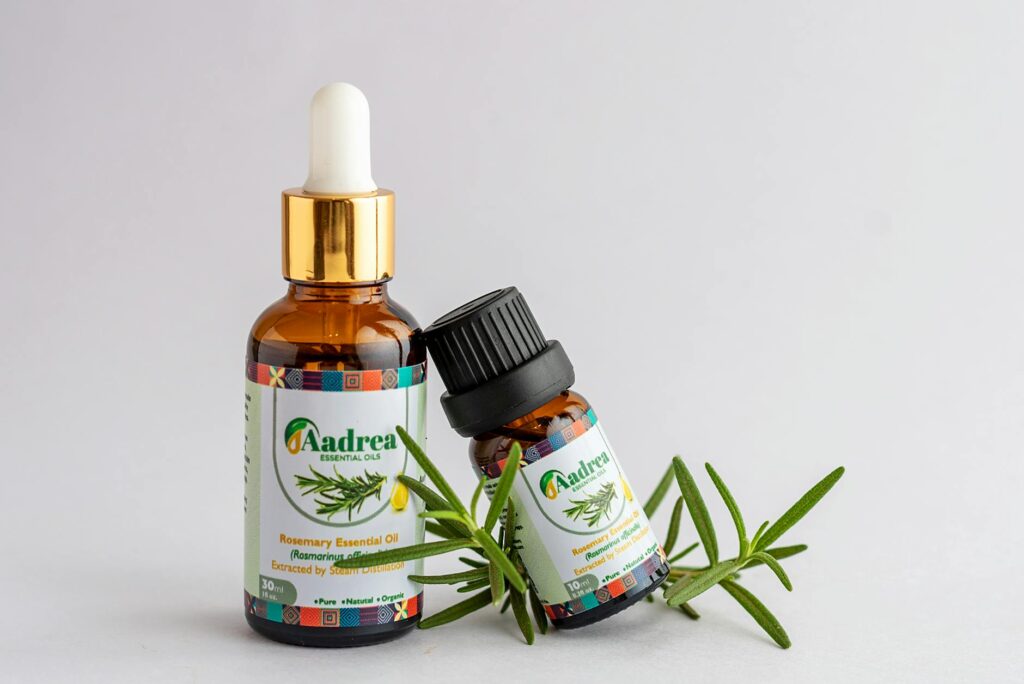
How to Use Rosemary Oil
Introduction
Rosemary oil, derived from the leaves of the Rosmarinus officinalis plant, has been cherished for centuries for its aromatic and therapeutic properties. This essential oil is not only a staple in culinary practices but also serves various purposes in aromatherapy and holistic wellness. In this article, we will explore the origins, benefits, and applications of rosemary oil, providing a comprehensive guide for those interested in incorporating this versatile oil into their daily routines.
What Is Rosemary Oil?
Rosemary oil is an essential oil extracted from the fresh or partially dried leaves of the rosemary plant, a member of the mint family. The extraction process typically involves steam distillation, which captures the plant’s volatile compounds. The resulting oil is clear to pale yellow and possesses a distinctive herbal, pine-like aroma.
Historically, rosemary has been associated with memory and remembrance, often used in rituals and ceremonies. Today, rosemary oil is widely used in various domains, including cooking, cosmetics, and therapeutic practices.
Key Benefits and Properties
Rosemary oil is known for its rich composition of active compounds, including:
- 1,8-Cineole: Known for its refreshing scent and potential cognitive benefits.
- Camphor: Offers a warming sensation and has been used in traditional practices for its invigorating effects.
- Alpha-Pinene: Contributes to the oil’s distinct aroma and may support respiratory health.
- Aromatherapy: Diffusing rosemary oil can create a refreshing atmosphere, enhancing focus and clarity.
- Topical Applications: Diluting rosemary oil with a carrier oil allows for massage or application to the skin, particularly for muscle tension.
- Hair Care: Adding a few drops to shampoos or conditioners can promote scalp health.
- Culinary Uses: Rosemary oil can be used sparingly in cooking to impart flavor to dishes.
- Keep it in a cool, dark place: Exposure to heat and light can degrade the oil’s quality over time.
- Use dark glass containers: These help protect the oil from UV light, extending its shelf life.
- Check the expiration date: Typically, rosemary oil lasts for about 1–2 years when stored correctly. Discard it if there are any changes in color, scent, or consistency.
Potential Benefits
1. Cognitive Function: Some studies suggest that the aroma of rosemary oil may enhance memory and concentration. It is often used in study environments to promote alertness.
2. Digestive Support: Traditionally, rosemary has been associated with aiding digestion and alleviating discomfort.
3. Hair Health: Rosemary oil is frequently incorporated into hair care products, as it may support scalp health and promote hair growth.
4. Mood Enhancement: The uplifting scent of rosemary oil may help alleviate stress and increase feelings of well-being.
5. Anti-inflammatory Properties: Rosemary oil is believed to possess anti-inflammatory properties, making it a popular choice in topical applications.
Common Uses
Rosemary oil can be utilized in various ways, including:
Aromatherapy Applications
Aromatherapy is one of the most popular uses for rosemary oil, given its invigorating scent. Here are several methods for utilizing rosemary oil in aromatherapy:
Diffusion
Using a diffuser is a simple way to fill a room with the uplifting scent of rosemary oil. To diffuse:
1. Fill the diffuser with water according to the manufacturer’s instructions.
2. Add 3–5 drops of rosemary oil.
3. Turn on the diffuser and enjoy the aromatic benefits.
Inhalation
For a quick pick-me-up, inhalation is effective:
1. Place 1–2 drops of rosemary oil on a tissue or cotton ball.
2. Hold it near your nose and take deep breaths.
Bath Soak
Adding rosemary oil to a warm bath can enhance relaxation:
1. Mix 5–10 drops of rosemary oil with a carrier oil (such as coconut or almond oil).
2. Add this mixture to your bathwater and soak for 15–20 minutes.
Massage
Incorporating rosemary oil into a massage blend can help relieve tension:
1. Combine 2–3 drops of rosemary oil with a carrier oil.
2. Massage onto sore muscles or areas of tension.
Safety Considerations
While rosemary oil is generally regarded as safe when used properly, it is essential to observe certain precautions:
1. Dilution: Always dilute rosemary oil with a carrier oil before applying it to the skin to avoid irritation.
2. Allergy Testing: Conduct a patch test by applying a small amount of diluted oil to a discreet area of skin to check for any allergic reactions.
3. Pregnancy and Breastfeeding: Pregnant or breastfeeding individuals should consult with a healthcare provider before using rosemary oil.
4. Medical Conditions: If you have epilepsy, high blood pressure, or are taking medications, consult a healthcare professional before using rosemary oil.
5. Children: Rosemary oil is not recommended for children under the age of two.
Storage and Shelf Life
To ensure the longevity and effectiveness of rosemary oil, proper storage is crucial:
Frequently Asked Questions
Can I use rosemary oil every day?
Yes, rosemary oil can be used daily if properly diluted and applied to the skin or used in aromatherapy. However, moderation is key, and it is essential to listen to your body.
Is rosemary oil safe for pets?
While rosemary oil is sometimes used in pet grooming products, it’s best to consult a veterinarian before using essential oils around pets, as some animals may be sensitive to certain oils.
How can I use rosemary oil for hair growth?
To promote hair health, mix a few drops of rosemary oil with a carrier oil and apply it to the scalp. Leave it on for at least 30 minutes before washing it out.
Can I ingest rosemary oil?
Ingesting essential oils is generally not recommended unless under the guidance of a certified aromatherapist or healthcare provider. Always consult with a professional before considering internal use.
What are the best carrier oils for rosemary oil?
Common carrier oils include coconut oil, jojoba oil, and sweet almond oil. These oils not only dilute the essential oil but also provide additional benefits for the skin.
Conclusion
Rosemary oil is a versatile essential oil with a rich history and a wide array of potential benefits. Whether you aim to enhance your cognitive function, promote hair health, or create an uplifting atmosphere, rosemary oil can be a valuable addition to your daily routine. However, it is essential to use it responsibly and with awareness of its properties. By following the guidelines outlined in this article, you can safely enjoy the many benefits of rosemary oil.