
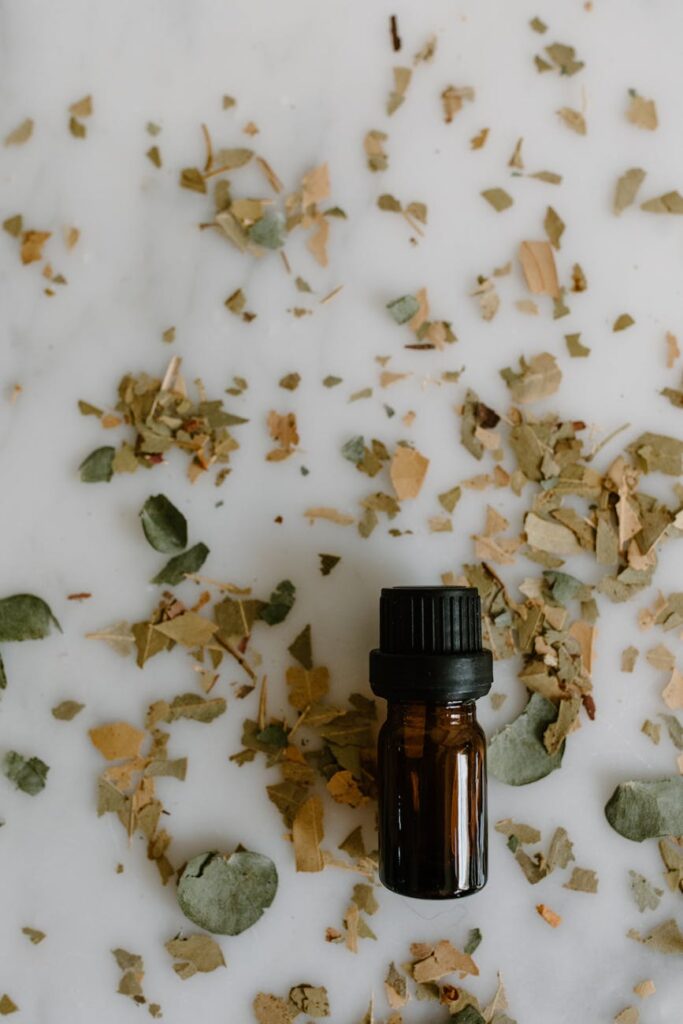
How to Use Saffron Extract
Introduction
Saffron, derived from the stigma of the Crocus sativus flower, is one of the most expensive spices in the world, known for its vibrant color and unique flavor. Beyond culinary uses, saffron also possesses remarkable properties that make it a sought-after ingredient in the realms of natural remedies and aromatherapy. This article delves into saffron extract, exploring its benefits, applications, and safety considerations, providing a comprehensive guide for those interested in incorporating this precious extract into their wellness routines.
What Is Saffron Extract?
Saffron extract is derived from the dried stigmas of the saffron flower, which blooms in the fall. Each flower produces only three red stigmas, which are harvested by hand, contributing to the spice’s high cost. The extraction process may involve various methods, including solvent extraction or steam distillation, to obtain concentrated saffron essential oil or tinctures. Saffron extract retains the characteristic aroma and flavor of the spice while amplifying its active compounds, such as crocin, picrocrocin, and safranal, which contribute to its potential health benefits.
Key Benefits and Properties
Saffron extract is celebrated for its diverse range of benefits, which include:
Antioxidant Properties
Saffron is rich in antioxidants, which help combat oxidative stress in the body. Antioxidants neutralize free radicals, thereby potentially reducing cellular damage and promoting overall health.
Mood Enhancement
Some studies suggest that saffron extract may have mood-lifting properties. It is often associated with improved emotional well-being and may contribute to reducing symptoms of anxiety and depression.
Anti-Inflammatory Effects
Saffron contains compounds that exhibit anti-inflammatory properties. This makes it a potential ally in alleviating inflammation-related conditions.
Skin Health
Saffron extract is sometimes used in skincare formulations due to its potential to enhance skin radiance and address issues such as hyperpigmentation and acne.
Digestive Health
Traditionally, saffron has been used to support digestive health. It may help with mild digestive discomfort and promote overall gut health.
Common Uses
Saffron extract can be used in various ways, including:
Culinary Applications
As a spice, saffron is renowned for enhancing the flavor and color of dishes, particularly in Mediterranean and Middle Eastern cuisines. It can be infused in hot water or broth to create saffron tea or used in rice dishes like paella.
Skincare Products
Many beauty brands incorporate saffron extract into their formulations due to its potential skin-enhancing properties. It can be found in creams, serums, and masks.
Herbal Supplements
Saffron extract is available in supplement form, often marketed for mood enhancement and overall wellness. These can be taken as capsules or tinctures according to the product’s instructions.
Aromatherapy Applications
Saffron extract’s aromatic profile is both warm and earthy, offering unique applications in aromatherapy. Here are some ways to incorporate saffron into your aromatherapy practices:
Diffusion
Saffron essential oil can be added to a diffuser to create a calming atmosphere. It is often blended with other essential oils, such as lavender or bergamot, to enhance emotional balance.
Inhalation
For a quick mood boost, inhaling saffron extract can be beneficial. Place a few drops on a cotton ball or tissue and take gentle breaths to enjoy its uplifting aroma.
Massage
Saffron extract can be diluted with a carrier oil (such as sweet almond or jojoba oil) for use in massage. This can enhance relaxation and provide a luxurious sensory experience.
Bath Soaks
Adding saffron extract to bathwater can create a soothing and aromatic bathing experience. Mix a few drops with carrier oil or milk before adding it to the bath for optimal results.
Safety Considerations
While saffron extract is generally considered safe for most individuals when used appropriately, there are a few important safety considerations to keep in mind:
Allergies
Some people may be allergic to saffron. It is advisable to perform a patch test on the skin before applying it topically or to consult a healthcare professional if you have a known allergy.
Dosage
When using saffron in supplement form, adhere to the recommended dosage on the product label. Excessive consumption can lead to adverse effects.
Pregnant or Nursing Women
Pregnant or nursing women should consult a healthcare professional before using saffron extract, as high doses may have effects on uterine contractions.
Interactions with Medications
Saffron may interact with certain medications, particularly those affecting mood or blood pressure. It is essential to consult a healthcare provider if you are taking medication or have underlying health conditions.
Storage and Shelf Life
To maintain the quality and potency of saffron extract, proper storage is crucial. Here are some guidelines:
Cool, Dark Place
Store saffron extract in a cool, dark place, away from direct sunlight and heat sources. This helps preserve its aromatic and beneficial properties.
Airtight Containers
Keep saffron extract in airtight containers to prevent exposure to moisture and air, which can degrade the quality over time.
Check Expiration Dates
Always check the expiration date on the product label. While saffron can retain its properties for a considerable time, using it within the recommended period ensures optimal efficacy.
Frequently Asked Questions
Is saffron extract safe for everyone to use?
While saffron extract is generally safe for most individuals, it’s essential to consider individual allergies and medical conditions. Consult a healthcare professional if you have concerns.
How can I incorporate saffron extract into my daily routine?
Saffron extract can be used in cooking, applied to the skin in beauty products, or utilized in aromatherapy. Choose a method that aligns with your preferences and lifestyle.
Can saffron extract improve mood?
Some studies suggest that saffron extract may have mood-enhancing properties, but individual results may vary. It is not a substitute for professional mental health care.
How should saffron extract be diluted for topical use?
For topical applications, saffron extract should be diluted with a carrier oil. A common ratio is 1-2 drops of saffron extract per teaspoon of carrier oil.
What should I do if I experience an allergic reaction?
If you experience signs of an allergic reaction, such as redness, itching, or swelling, discontinue use immediately and consult a healthcare professional.
Conclusion
Saffron extract is a versatile and valuable ingredient that offers a range of benefits, from culinary delights to potential mood enhancement and skin health improvement. By understanding its properties and applications, individuals can effectively incorporate saffron extract into their wellness routines. Always consider safety precautions and individual health conditions when using saffron, and consult a healthcare professional when in doubt. With proper use, saffron extract can be a delightful addition to both everyday life and specialized wellness practices.