
How to Use Sage Essential Oil
Introduction
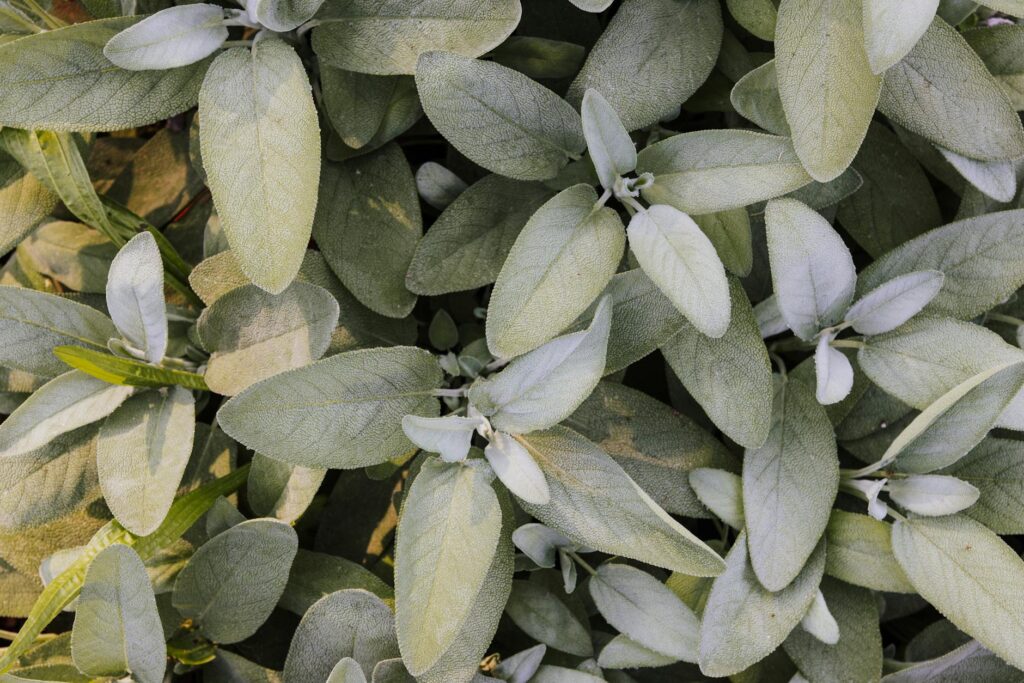
Sage essential oil, derived from the leaves of the Salvia officinalis plant, has been cherished for thousands of years for its aromatic properties and potential benefits. This oil is not only revered in culinary practices but also plays a significant role in aromatherapy and holistic wellness. This article aims to provide comprehensive information on how to use sage essential oil, exploring its properties, benefits, applications, and essential safety considerations.
What Is Sage Essential Oil?
Sage essential oil is extracted through steam distillation from the leaves of the sage plant, a member of the Lamiaceae family. The plant is native to the Mediterranean region and has a long history of use in both cooking and traditional medicine. The oil possesses a warm, herbaceous aroma with earthy undertones, making it a popular choice in aromatherapy and natural wellness practices.
Chemical Composition
The primary constituents of sage essential oil include thujone, camphor, 1,8-cineole, and borneol. These compounds contribute to the oil’s characteristic scent and its various properties, which include antiseptic, anti-inflammatory, and stimulating effects. Understanding the chemical makeup of sage essential oil is essential for recognizing its potential applications and safety considerations.
Key Benefits and Properties
Sage essential oil is celebrated for its diverse range of benefits, which can be categorized into several key properties:
Antimicrobial Properties
Sage essential oil has been shown to possess antimicrobial properties, making it useful for purifying the air and surfaces. Its ability to inhibit the growth of certain bacteria and fungi makes it a popular choice in natural cleaning products and air fresheners.
Mood Enhancement
The aromatic profile of sage essential oil is often associated with mood enhancement. Its warm, herbaceous scent can promote relaxation and reduce feelings of stress, making it a popular option for those seeking emotional balance.
Respiratory Support
Inhalation of sage essential oil may provide a sense of respiratory support. Its composition includes compounds that can help clear the airways and ease breathing, making it a suitable choice during seasonal challenges.
Cognitive Function
Some studies suggest that sage essential oil may support cognitive function and memory. Its stimulating properties could potentially enhance mental clarity and focus, making it a beneficial addition to study environments.
Common Uses
Sage essential oil can be used in various ways, catering to different preferences and needs. Below are some of the most common uses:
Diffusion
One of the most popular methods of using sage essential oil is through diffusion. Adding a few drops to a diffuser can disperse the oil’s aroma throughout a room, creating a calming atmosphere conducive to relaxation or concentration.
Topical Application
Sage essential oil can also be used topically when diluted with a carrier oil, such as coconut or jojoba oil. This method can be especially beneficial for localized support, though care should be taken to ensure proper dilution to avoid skin irritation.
Aromatic Bath
Adding sage essential oil to a warm bath can create a soothing experience. To do this safely, it is recommended to mix the essential oil with a carrier oil or Epsom salts before adding it to the bathwater, as this helps disperse the oil and prevent skin irritation.
Culinary Uses
Sage essential oil can be used in cooking, although it should be noted that culinary-grade essential oils are different from those used in aromatherapy. Only high-quality, food-grade sage essential oil should be used in culinary applications, and it should be used sparingly due to its concentrated nature.
Aromatherapy Applications
Sage essential oil can be incorporated into various aromatherapy practices, enhancing the overall experience. Below are some applications:
Meditative Practices
Incorporating sage essential oil into meditation can deepen the experience. Diffusing the oil or applying it to pulse points before meditation may help create a focused and tranquil environment.
Massage Therapy
When blended with a carrier oil, sage essential oil can be used in massage therapy. Its warm, earthy aroma can enhance relaxation and provide an uplifting experience during a massage session.
Yoga and Stretching
Using sage essential oil before or during yoga practice can create a calming atmosphere. Diffusing the oil or applying it to the mat can enrich the sensory experience, promoting mindfulness and presence.
Safety Considerations
While sage essential oil offers numerous benefits, it is essential to consider safety precautions:
Skin Sensitivity
Sage essential oil should always be diluted with a carrier oil before topical application. A patch test is recommended to check for potential allergic reactions or skin sensitivities.
Pregnant and Nursing Individuals
Pregnant and nursing individuals should exercise caution when using sage essential oil. Certain compounds in sage may not be suitable during these periods, so consulting with a healthcare professional is advisable.
Children and Pets
Sage essential oil is generally not recommended for use around young children or pets without prior consultation with a qualified professional. Essential oils can have varying effects on different species and age groups.
Quality of Essential Oil
The quality of sage essential oil can vary significantly between brands. It is essential to choose high-quality, pure essential oils from reputable sources to ensure safety and efficacy.
Storage and Shelf Life
To maintain the integrity and potency of sage essential oil, proper storage is crucial:
Storage Conditions
Store sage essential oil in a cool, dark place, away from direct sunlight and heat sources. Glass containers with airtight lids are ideal for preserving the oil’s quality.
Shelf Life
The shelf life of sage essential oil can range from 1 to 3 years, depending on storage conditions and the oil’s quality. Regularly check for changes in aroma or consistency, which may indicate that the oil has degraded.
Frequently Asked Questions
Can sage essential oil be ingested?
While some culinary-grade sage essential oils may be safe for ingestion in small amounts, it is crucial to consult with a qualified professional before consuming any essential oil.
How many drops of sage essential oil should I use in a diffuser?
Typically, 3 to 5 drops of sage essential oil are sufficient for a standard diffuser. However, personal preference may vary, so adjust the number of drops according to your desired intensity.
Is sage essential oil safe for children?
Sage essential oil is generally not recommended for use around young children without professional guidance. Always consult with a healthcare provider for personalized advice.
Can I mix sage essential oil with other essential oils?
Yes, sage essential oil can blend well with other oils, including lavender, lemon, and eucalyptus. Experimenting with blends can create unique aromas and enhance therapeutic effects.
What should I do if I experience skin irritation after using sage essential oil?
If you experience skin irritation after using sage essential oil, discontinue use immediately and wash the area with soap and water. If irritation persists, seek medical advice.
Conclusion
Sage essential oil is a versatile and aromatic oil with a rich history of use in various practices, from aromatherapy to culinary applications. By understanding its properties, benefits, and safe usage guidelines, individuals can incorporate sage essential oil into their lives to enhance well-being and create a calming atmosphere. Whether used in meditation, massage, or simply enjoyed for its fragrance, sage essential oil offers a unique sensory experience that can enrich daily life.