
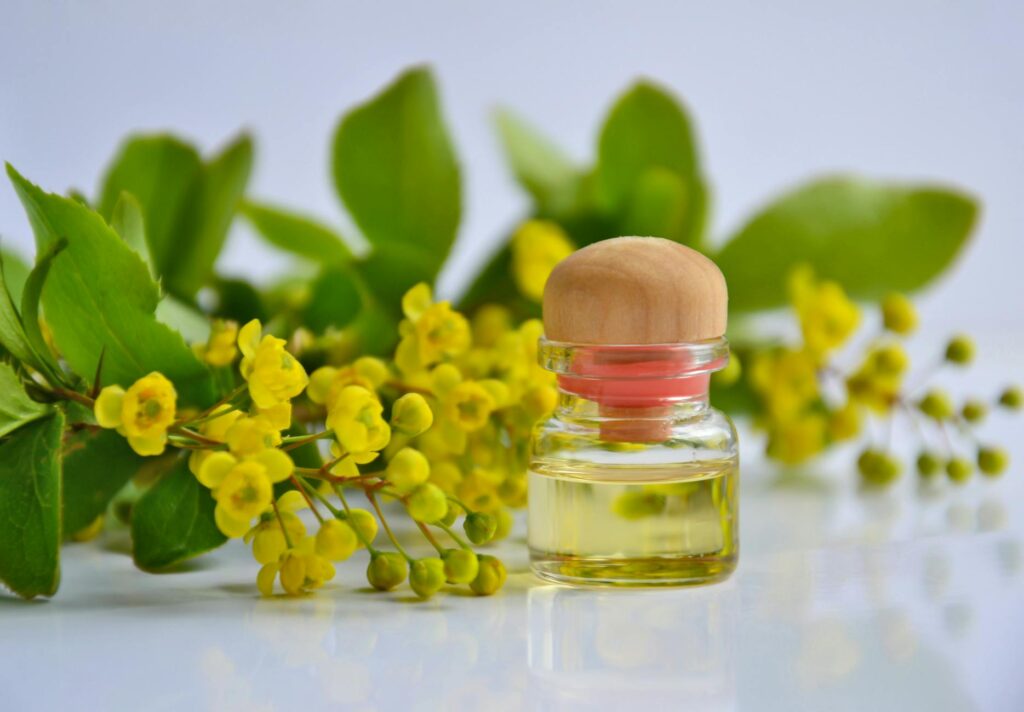
How to Use Sage Oil Safely
Introduction
Sage oil, derived from the leaves of the Salvia officinalis plant, has been cherished for centuries in various cultures for its aromatic and therapeutic properties. As a popular essential oil in aromatherapy, sage oil is known for its distinct earthy fragrance and a wide array of potential uses. However, with its potency comes the necessity for understanding proper handling and safety measures. This article aims to provide a comprehensive overview of sage oil safety, ensuring that users can enjoy its benefits without adverse effects.
What Is Sage Oil Safety?
Sage oil safety refers to the guidelines and practices that ensure the safe use of sage essential oil. Unlike culinary sage, which is used in cooking, sage essential oil is a concentrated extract that can be potent and, if misused, potentially harmful. Understanding sage oil safety involves recognizing the oil’s properties, applications, and any associated risks.
Key Benefits and Properties
Sage essential oil possesses various properties that make it a valuable addition to aromatherapy and natural wellness practices. Some of its notable benefits include:
- Antimicrobial Properties: Sage oil is known for its potential ability to combat bacteria, fungi, and viruses, making it a popular choice for natural cleaning products.
- Anti-inflammatory Effects: The oil may help reduce inflammation, which can be beneficial in various applications.
- Mood Enhancement: The aromatic qualities of sage oil may promote relaxation and help alleviate stress, contributing to emotional well-being.
- Digestive Support: Traditionally, sage has been used to assist with digestive issues, though these benefits are often explored in culinary contexts rather than through essential oil use.
- Aromatherapy: Diffusing sage oil in an essential oil diffuser can create a calming atmosphere.
- Massage: When diluted with a carrier oil, sage oil can be used for massage, potentially providing relief from muscle tension.
- Household Cleaning: Sage oil can be added to homemade cleaning solutions, leveraging its antimicrobial properties.
- Skincare: Due to its potential antiseptic qualities, sage oil may be included in skincare products for its soothing effects on the skin.
- Keep Away from Light: Essential oils should be stored in dark glass bottles to protect them from UV light, which can degrade their quality.
- Cool, Dry Place: Store sage oil in a cool, dry environment, ideally between 60°F and 75°F (15°C to 24°C), away from heat sources.
Common Uses
Sage oil can be utilized in various forms and applications, each offering unique benefits. Common uses of sage oil include:
Aromatherapy Applications
In the realm of aromatherapy, sage oil is often employed for its uplifting and clarifying effects. Here are some popular methods of application:
Diffusion
Diffusing sage oil in a room can help purify the air while creating a serene environment. To diffuse, add a few drops of sage oil to a water-filled diffuser, following the manufacturer’s instructions.
Inhalation
For a quick boost, sage oil can be inhaled directly from the bottle or by adding a few drops to a tissue. This method is often used for its invigorating and clarifying properties.
Topical Application
When applying sage oil to the skin, it is crucial to dilute it with a carrier oil, such as jojoba or coconut oil. A common dilution ratio is 2-3 drops of sage oil per tablespoon of carrier oil. This method can enhance relaxation during massage or provide localized relief for muscle tension.
Safety Considerations
While sage oil has many benefits, it is essential to observe safety precautions to avoid adverse effects. Here are several key considerations:
Skin Sensitivity
Sage oil can cause skin irritation if applied undiluted. Always perform a patch test before using a new essential oil. Apply a small amount of the diluted oil to a discreet area of skin and wait 24 hours to see if any irritation occurs.
Pregnant and Nursing Women
Pregnant or nursing women should consult with a qualified healthcare professional before using sage oil, as certain compounds in sage may not be recommended during these periods.
Children and Pets
Sage oil is not recommended for use around young children or pets without prior consultation with a qualified expert. Essential oils can be potent, and certain oils may be harmful to animals.
Allergies
Individuals with allergies to plants in the Lamiaceae family (such as mint, basil, and rosemary) should exercise caution when using sage oil, as they may have a heightened risk of allergic reactions.
Interactions with Medications
Sage oil may interact with certain medications, particularly those affecting the nervous system or hormones. Always consult a healthcare provider before using sage oil if you are on medication.
Storage and Shelf Life
Proper storage is crucial for maintaining the quality and effectiveness of sage oil. Consider the following guidelines:
Storage Conditions
Shelf Life
Sage oil typically has a shelf life of about 1 to 3 years if stored correctly. However, its potency may diminish over time. Signs of degradation include changes in color, consistency, or scent. If the oil smells rancid or off, it is best to discard it.
Frequently Asked Questions
Can sage oil be ingested?
While some essential oils have culinary uses, sage essential oil is not generally recommended for ingestion without the guidance of a qualified healthcare practitioner.
How often can I use sage oil?
The frequency of use will depend on individual preferences and sensitivities. It is advisable to start with small amounts and assess how your body reacts before increasing usage.
Is sage oil safe for everyone?
While sage oil can be beneficial for many individuals, it may not be suitable for pregnant or nursing women, young children, or pets. Always consult a healthcare professional if you have concerns.
Can sage oil be used in a bath?
Yes, sage oil can be added to bath water for a relaxing experience. However, it should be diluted in a carrier oil or an emulsifier to prevent skin irritation.
What should I do if I experience an adverse reaction to sage oil?
If you experience irritation or an allergic reaction, discontinue use immediately. Rinse the affected area with mild soap and water, and consult a healthcare professional if symptoms persist.
Conclusion
Sage oil is a versatile essential oil with numerous potential benefits, making it a popular choice in aromatherapy and natural wellness practices. However, understanding sage oil safety is paramount to fully enjoy its advantages while minimizing risks. By following the safety considerations outlined in this article and respecting the potency of sage oil, users can experience its unique qualities safely. Always remember to consult with knowledgeable professionals if you have any questions or concerns regarding essential oil use.