
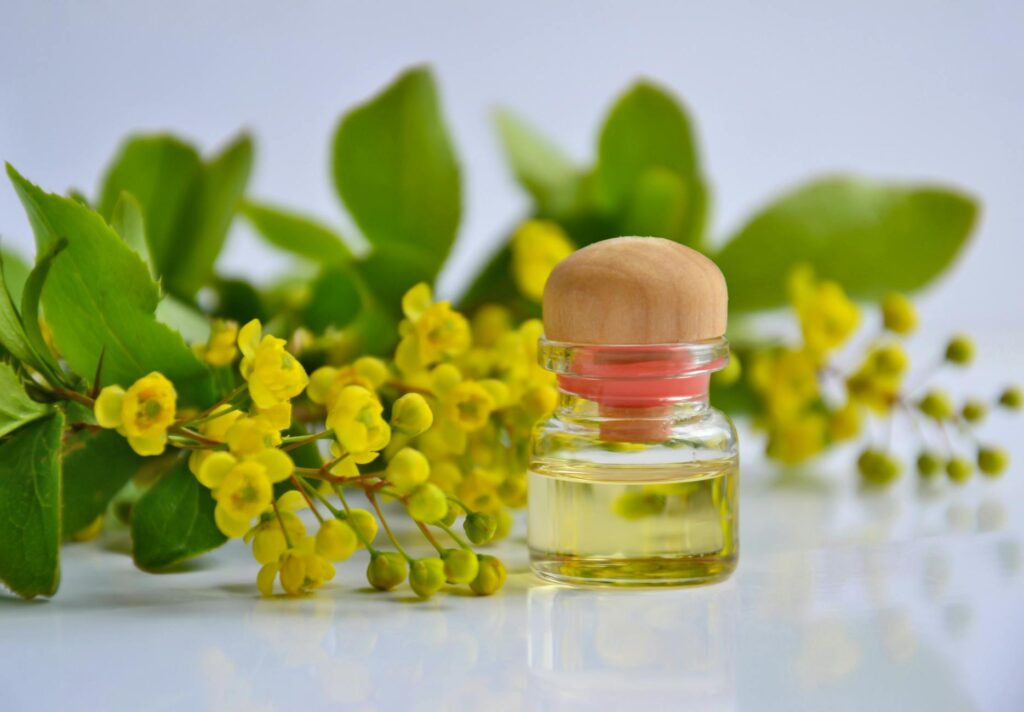
How to Use Sage Oil
Introduction
Sage oil, derived from the leaves of the Salvia officinalis plant, has been celebrated for centuries for its diverse applications and rich aromatic profile. This essential oil is cherished not only for its fragrant qualities but also for its historical significance in various cultures. Whether used in cooking, traditional rituals, or modern aromatherapy, sage oil has carved a niche in the wellness and beauty industries. This article explores the origins, benefits, and applications of sage oil, providing a comprehensive guide to its use.
What Is Sage Oil?
Sage oil is an essential oil obtained through the steam distillation of the leaves of the sage plant, which belongs to the mint family (Lamiaceae). The plant is native to the Mediterranean region but is now cultivated in various parts of the world. Sage has long been associated with purification and wisdom, often used in rituals and ceremonies.
The oil has a warm, herbaceous, and slightly camphorous scent that embodies the essence of the plant. It contains several key components, including thujone, camphor, and 1.8 cineole, which contribute to its aromatic and therapeutic properties.
Key Benefits and Properties
Sage oil is renowned for its multifaceted benefits, encompassing emotional, physical, and spiritual dimensions. Some of the key properties include:
- Antimicrobial: Sage oil has demonstrated antimicrobial properties, making it effective in combating certain bacteria and fungi.
- Anti-inflammatory: The oil may help reduce inflammation, providing comfort and relief.
- Antioxidant: Sage oil contains antioxidants that can help combat oxidative stress in the body.
- Mood Enhancer: The uplifting aroma of sage oil has been linked to improved mood and emotional balance.
- Digestive Support: Traditionally, sage has been used to support healthy digestion and alleviate gastrointestinal discomfort.
- Dilution: Always dilute sage oil with a carrier oil before applying it to the skin to prevent irritation.
- Pregnancy and Nursing: Pregnant or nursing individuals should consult with a healthcare professional before using sage oil.
- Allergies: Perform a patch test before extensive use, especially for those with sensitive skin or allergies.
- Medical Conditions: Individuals with certain medical conditions, such as epilepsy, should avoid sage oil due to its thujone content.
- Children: Use caution when applying sage oil around children; consult with a professional for guidance.
- Store in a Cool, Dark Place: Keep the oil away from direct sunlight and heat sources to prevent degradation.
- Use Dark Glass Bottles: Essential oils should be stored in dark glass containers to protect them from light.
- Seal Tightly: Ensure the bottle is tightly sealed to prevent oxidation and evaporation.
- Shelf Life: When stored correctly, sage oil typically lasts for 2 to 3 years. However, always check for changes in scent or viscosity, which may indicate spoilage.
These properties make sage oil a valuable addition to various wellness practices, from aromatherapy to personal care.
Common Uses
Sage oil can be integrated into daily routines in several ways:
1. Aromatherapy
The oil is commonly used in diffusers or inhalers to create a calming atmosphere. Its warm aroma can help reduce stress and promote relaxation.
2. Topical Applications
Sage oil is often diluted with a carrier oil, such as jojoba or coconut oil, for use in massages or skin care products. It may contribute to soothing muscle tension and promoting healthy skin.
3. Culinary Uses
Fresh sage leaves are commonly used in cooking, but sage oil can also add flavor to various dishes. It is often used in marinades, dressings, and sauces in moderation.
4. Household Cleaning
Due to its antimicrobial properties, sage oil can be added to homemade cleaning products, lending a pleasant scent while enhancing the cleaning efficacy.
5. Spiritual Practices
In many cultures, sage is used in rituals for purification and protection. Sage oil can be incorporated into these practices, either through anointing or as part of a sacred space.
Aromatherapy Applications
In aromatherapy, sage oil is valued for its ability to create a harmonious environment. Here are some popular methods for incorporating sage oil into your aromatherapy routine:
1. Diffusion
Using an essential oil diffuser, add a few drops of sage oil to water and disperse the aroma throughout your space. This method is excellent for enhancing mood and promoting relaxation.
2. Inhalation
For a quick boost, place a drop or two on a cotton ball and inhale deeply. This can help clear the mind and promote focus.
3. Bathing
Add sage oil to a warm bath for a soothing and aromatic experience. Combine with Epsom salts or a carrier oil for enhanced benefits.
4. Massage
Dilute sage oil with a carrier oil and use it in a massage to relieve tension and promote relaxation.
5. Room Spray
Create a homemade room spray by mixing sage oil with water and a small amount of alcohol in a spray bottle. Shake well before use and spray in desired areas.
Safety Considerations
While sage oil offers numerous benefits, it is essential to use it safely. Here are some important safety considerations:
Storage and Shelf Life
Proper storage is crucial for maintaining the quality of sage oil. Here are some tips:
Frequently Asked Questions
1. Can sage oil be ingested?
While sage oil has culinary applications, it is crucial to use it sparingly and ensure it is food-grade. Always consult a professional before internal use.
2. Is sage oil safe for children?
Sage oil should be used with caution around children. It is advisable to consult with a healthcare professional for guidance.
3. What is the best way to use sage oil for stress relief?
Diffusing sage oil or using it in a calming bath are excellent methods for stress relief. The warm aroma can help create a relaxing environment.
4. Can sage oil be used in skincare?
Sage oil can be used in skincare when diluted with a carrier oil. It may help promote healthy skin, but a patch test is recommended to check for sensitivity.
5. How do I know if sage oil is pure?
Look for reputable brands that provide third-party testing and a clear list of ingredients. Pure essential oils should not contain synthetic additives.
Conclusion
Sage oil is a versatile and aromatic essential oil with a rich history and numerous applications. From enhancing emotional well-being to supporting household cleaning efforts, its benefits are wide-ranging. By understanding how to safely use sage oil, you can incorporate it into your daily life, harnessing its potential to promote relaxation, uplift mood, and provide a sense of balance. As with all essential oils, knowledge and caution are key to enjoying the full spectrum of sage oil’s offerings.