
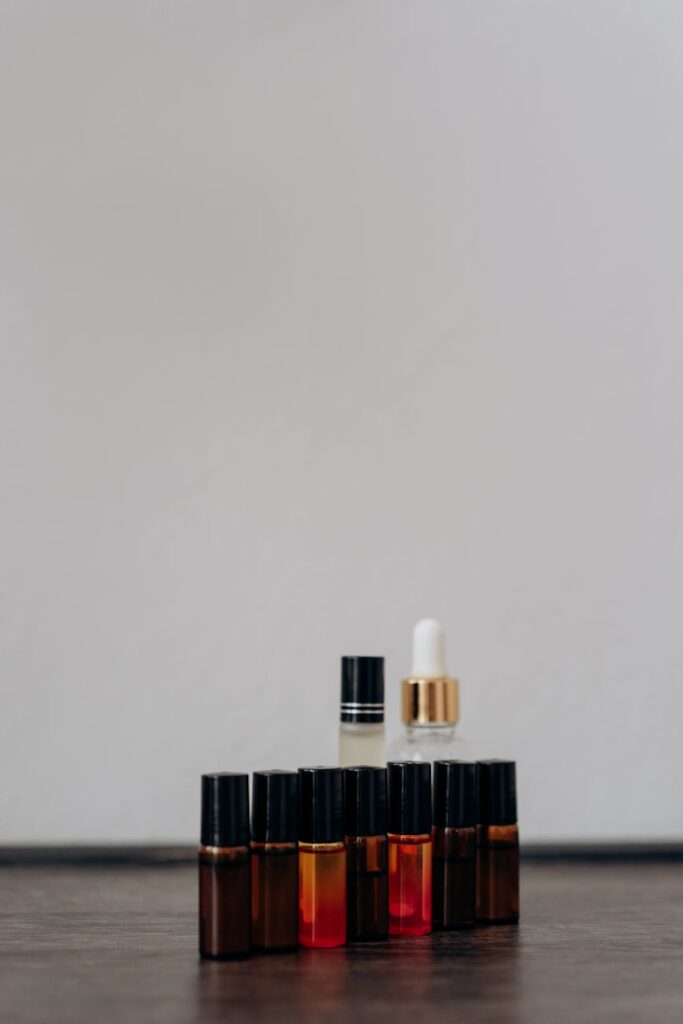
How to Use Self-Care Blends
Introduction
In an increasingly fast-paced world, self-care has emerged as an essential practice for maintaining well-being. One popular aspect of self-care is the use of essential oils and aromatherapy blends. These natural extracts, derived from plants, flowers, and herbs, have been employed for centuries to enhance mood, reduce stress, and promote relaxation. This article will explore what self-care blends are, their benefits, common uses, and how to safely incorporate them into your routine.
What Is Self-Care Blends?
Self-care blends are specific combinations of essential oils formulated to promote various aspects of well-being, including relaxation, energy, focus, and emotional balance. These blends can be tailored to meet individual needs, often incorporating oils known for their unique properties. While the specific ingredients may vary, the intention behind self-care blends remains consistent: to foster a sense of tranquility and self-awareness.
Components of Self-Care Blends
1. Essential Oils: The core of any self-care blend, these concentrated plant extracts are known for their aromatic and therapeutic properties. Common oils include lavender for relaxation, peppermint for invigoration, and tea tree for cleansing.
2. Carrier Oils: These oils dilute essential oils, making them safe for topical application. Popular carrier oils include coconut oil, jojoba oil, and almond oil.
3. Base Notes: Often heavier and more grounding, base notes provide depth to a blend. Examples include sandalwood and patchouli.
4. Middle Notes: These oils balance the blend and add complexity. Common middle notes include geranium and rosemary.
5. Top Notes: These oils are usually lighter and more volatile, providing the initial scent experience. Citrus oils such as lemon and bergamot are typical top notes.
Key Benefits and Properties
Self-care blends offer a multitude of benefits, both psychological and emotional. Understanding these properties can help individuals select blends that align with their personal needs:
- Relaxation and Stress Relief: Oils like lavender and chamomile are renowned for their calming effects, helping to alleviate feelings of anxiety and promote restful sleep.
- Mood Enhancement: Citrus oils like orange and grapefruit can uplift the spirit and combat feelings of sadness or lethargy.
- Mental Clarity and Focus: Oils such as rosemary and basil can enhance concentration and cognitive function, making them ideal for study or work environments.
- Physical Comfort: Certain blends can provide relief from muscle tension and discomfort. Peppermint and eucalyptus, for instance, are often used for their soothing properties.
- Emotional Balance: Blends that incorporate florals like geranium and ylang-ylang can help stabilize mood swings and enhance emotional resilience.
- Store in Dark Glass Containers: Essential oils should be kept in dark-colored glass bottles to protect them from light exposure, which can degrade their quality.
- Cool, Dry Environment: Avoid direct sunlight and heat sources. Store oils in a cool, dry place, such as a cabinet or drawer.
- Check Expiry Dates: While many essential oils can last for several years, their potency may diminish over time. Regularly check the oils for any changes in smell, color, or consistency.
Common Uses
Self-care blends can be incorporated into daily routines in various ways:
1. Diffusion: Using a diffuser, self-care blends can fill a room with aromatic compounds, creating a calming environment. Simply add a few drops of the blend to water in the diffuser, and let the oils disperse into the air.
2. Topical Application: When diluted with carrier oils, self-care blends can be applied to pulse points, such as wrists and temples, for personal aromatherapy. This method allows for direct absorption into the skin.
3. Bath Soaks: Adding a few drops of a self-care blend to a warm bath can enhance relaxation. Be sure to mix the oils with a dispersant like Epsom salts to prevent skin irritation.
4. Inhalation: Direct inhalation can be effective for immediate relief. Place a few drops of the blend on a tissue or cotton ball and breathe deeply.
5. Massage: Incorporating self-care blends into massage oils can enhance the therapeutic experience, promoting relaxation and stress relief.
Aromatherapy Applications
The application of self-care blends in aromatherapy can be both therapeutic and enjoyable. Here are several methods to utilize these blends effectively:
1. Creating a Home Sanctuary
Transform your living space into a relaxation haven. Use a diffuser with a calming blend in your bedroom or living room. Pair this with soft lighting and comfortable seating to create an inviting atmosphere.
2. Mindful Moments
Set aside time for mindfulness practice. Inhale your chosen self-care blend deeply before meditation or yoga. The aroma can help center your thoughts and enhance your focus.
3. Travel Companion
Carry a small roller bottle filled with a self-care blend when traveling. During stressful journeys, apply it to your wrists or temples to help maintain a sense of calm.
4. Seasonal Adjustments
Adapt your self-care blends to the seasons. For example, uplifting citrus oils may be perfect for spring and summer, while grounding woodsy oils may be more suitable for fall and winter.
Safety Considerations
While essential oils are natural, they are highly concentrated substances that should be used with care. Here are key safety tips:
1. Dilution: Always dilute essential oils with a carrier oil before topical application to avoid skin irritation or allergic reactions. A common dilution ratio is 2-3 drops of essential oil per teaspoon of carrier oil.
2. Patch Testing: Before using a new blend on larger skin areas, conduct a patch test. Apply a small amount of the diluted oil on a discreet skin area and wait 24 hours to check for any reactions.
3. Avoid Sensitive Areas: Keep essential oils away from sensitive areas, such as the eyes, mucous membranes, and broken skin.
4. Pregnancy and Medical Conditions: Consult with a qualified healthcare provider if you are pregnant, nursing, or have any medical conditions before using essential oils.
5. Child Safety: Some essential oils are not suitable for use around children. Always do proper research or consult a professional when using oils around young ones.
Storage and Shelf Life
The longevity of essential oils and self-care blends can be significantly affected by their storage conditions. To maintain their efficacy:
Frequently Asked Questions
What are the best essential oils for relaxation?
Lavender, chamomile, and ylang-ylang are excellent choices for relaxation and stress relief.
Can self-care blends be used for children?
Some essential oils are safe for children, but it’s crucial to dilute them properly and consult guidelines specific to age and sensitivity.
How can I make my own self-care blend?
Start by selecting a few essential oils that resonate with your desired effects. Use a blend of base, middle, and top notes, and dilute them in a carrier oil. Experiment to find the combination that works best for you.
How often can I use self-care blends?
Self-care blends can be used daily, but moderation is key. Pay attention to how your body responds and adjust accordingly.
Are there any essential oils I should avoid?
Certain oils may be contraindicated in specific situations, such as during pregnancy or for individuals with particular health conditions. Always research or consult a professional before use.
Conclusion
Self-care blends represent a holistic approach to enhancing emotional, mental, and physical well-being. By understanding the properties of essential oils and their applications, individuals can create personalized experiences that promote relaxation, focus, and emotional balance. As with any practice, mindful usage and attention to safety are paramount. Embracing self-care through aromatherapy can lead to a more harmonious and fulfilling lifestyle.