
How to Use Spice Extracts
Introduction
Spice extracts, derived from various aromatic plants, have been utilized for centuries in culinary practices, traditional medicine, and wellness routines. These extracts encapsulate the concentrated flavors, scents, and potential benefits of their source materials. As the interest in natural remedies and holistic practices continues to grow, understanding how to effectively use spice extracts can enhance both your culinary experiences and overall well-being.
What Are Spice Extracts?
Spice extracts are concentrated liquids obtained from the aromatic components of spices. They are typically made through methods such as steam distillation, solvent extraction, or cold pressing. The resulting products contain the essential oils and other active compounds that define the specific spice.
Common examples of spice extracts include:
- Vanilla Extract: Derived from vanilla beans, known for its sweet aroma and flavor.
- Cinnamon Extract: Extracted from the bark of the cinnamon tree, recognized for its warm, spicy scent.
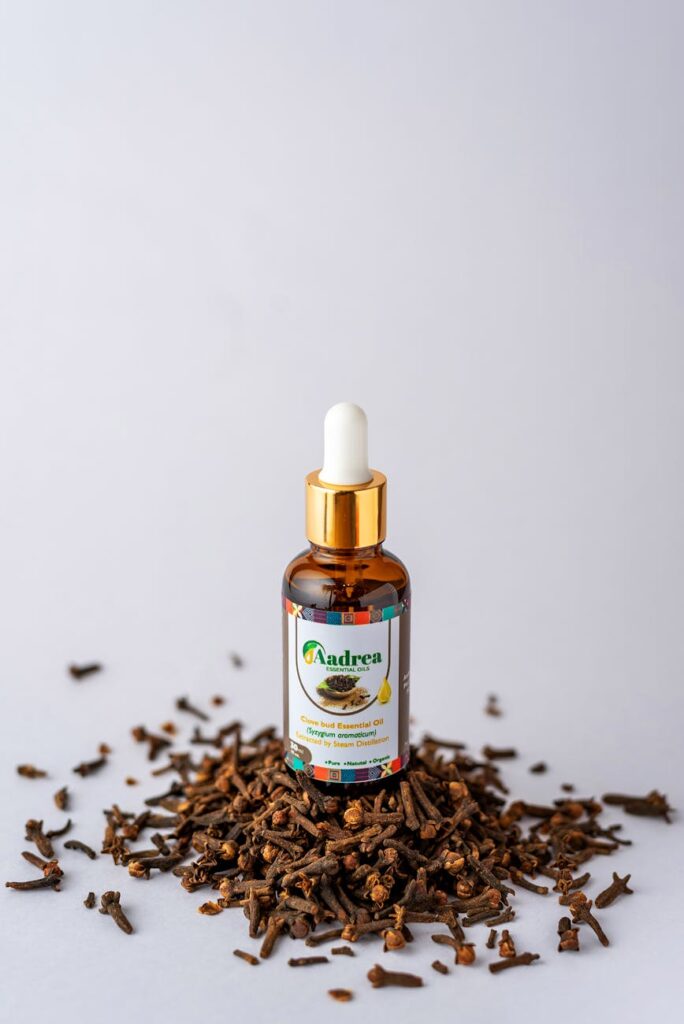
- Clove Extract: Produced from clove buds, known for its strong, pungent aroma.
- Antioxidant Properties: Many spice extracts are rich in antioxidants, which can help combat oxidative stress in the body.
- Antimicrobial Effects: Certain spice extracts possess natural antimicrobial properties, making them useful in food preservation and hygiene.
- Mood Enhancement: The aroma of various spice extracts is believed to have uplifting effects on mood, promoting relaxation and reducing stress.
- Diffusion: By adding a few drops of a spice extract to a diffuser, you can fill your space with its aromatic benefits.
- Massage Oils: Combining spice extracts with carrier oils can create a warming massage oil that may enhance relaxation and mood.
- Bath Products: Incorporating spice extracts into bath salts or oils can create a soothing and aromatic bathing experience.
These extracts are often used in cooking, perfumery, and aromatherapy, offering an array of benefits.
Key Benefits and Properties
Spice extracts are celebrated not only for their intense flavors and fragrances but also for their unique properties. While individual extracts have varying characteristics, some common benefits include:
Understanding these properties can help you select the right extract for your needs.
Common Uses
Spice extracts can be utilized in a variety of ways, enhancing both culinary dishes and wellness routines. Here are some common applications:
Culinary Uses
1. Flavoring: Spice extracts can intensify the flavor of baked goods, sauces, and beverages. For instance, a few drops of vanilla extract can elevate the taste of cakes and pastries.
2. Beverage Enhancements: Adding cinnamon or clove extracts to teas or coffees can provide a warm, aromatic twist.
3. Preservatives: Due to their antimicrobial properties, some spice extracts can be used to extend the shelf life of food products.
Aromatherapy
In aromatherapy, spice extracts play a vital role in enhancing emotional and mental well-being. They can be used in various forms:
Aromatherapy Applications
The use of spice extracts in aromatherapy can promote emotional and psychological wellness. Here are some specific applications:
Stress Relief
Spices like cinnamon and clove are often associated with warmth and comfort. Their scents can evoke feelings of nostalgia and relaxation, making them ideal choices for stress relief.
Focus and Concentration
Certain spice extracts, such as rosemary and peppermint, are known to enhance mental clarity and focus. Adding these to your workspace can create an invigorating atmosphere conducive to productivity.
Mood Enhancement
The uplifting properties of spice extracts can help combat feelings of anxiety or depression. Using extracts in a diffuser or bath can create a pleasant environment that promotes emotional well-being.
Safety Considerations
While spice extracts are generally safe for use, there are important considerations to keep in mind:
1. Dilution: Many spice extracts are highly concentrated. It’s essential to dilute them with a carrier oil or another medium before topical application to avoid skin irritation.
2. Allergies: Individuals with allergies to specific spices should exercise caution. Always perform a patch test before using a new extract on the skin.
3. Pregnancy and Nursing: Some spice extracts may not be suitable for pregnant or nursing individuals. It is advisable to consult with a healthcare professional before use.
4. Interactions with Medications: Certain spice extracts may interact with medications. Always check with a healthcare professional if you are on any medication.
Storage and Shelf Life
Proper storage is crucial for maintaining the quality and potency of spice extracts. Follow these guidelines:
1. Cool, Dark Place: Store spice extracts in a cool, dark area away from direct sunlight to prevent degradation of their properties.
2. Sealed Containers: Use tightly sealed containers to protect against moisture and air, which can alter the quality of the extract.
3. Shelf Life: The shelf life of spice extracts can vary. While most extracts can last for several years when stored properly, it is advisable to check for any changes in smell or appearance before use.
Frequently Asked Questions
Can I use spice extracts in cooking?
Yes, spice extracts can be used to flavor various dishes and beverages. They are especially popular in baking and can add depth to sauces and marinades.
Are spice extracts safe for children?
While many spice extracts are safe for children when used appropriately, it is advisable to consult with a healthcare professional regarding specific extracts and their suitability for children.
How do I choose the right spice extract?
Consider the flavor profile and aroma you desire. Research the properties of different extracts and choose one that aligns with your culinary or wellness goals.
Can I make my own spice extracts?
Yes, homemade spice extracts can be made by infusing spices in alcohol or oil. However, ensure that you follow safe practices and use suitable ingredients.
What is the best way to use spice extracts in aromatherapy?
Adding a few drops of spice extract to a diffuser or mixing it with a carrier oil for massage are popular methods of utilizing spice extracts in aromatherapy.
Conclusion
Spice extracts offer a versatile and aromatic way to enhance both culinary experiences and emotional well-being. Understanding their unique properties and applications can empower you to incorporate these fragrant extracts into your daily life. Whether you are baking a cake, creating a soothing bath, or simply enjoying the aroma in your home, spice extracts can provide an enriching sensory experience. Remember to consider safety and storage guidelines to ensure the longevity and effectiveness of your spice extracts.