
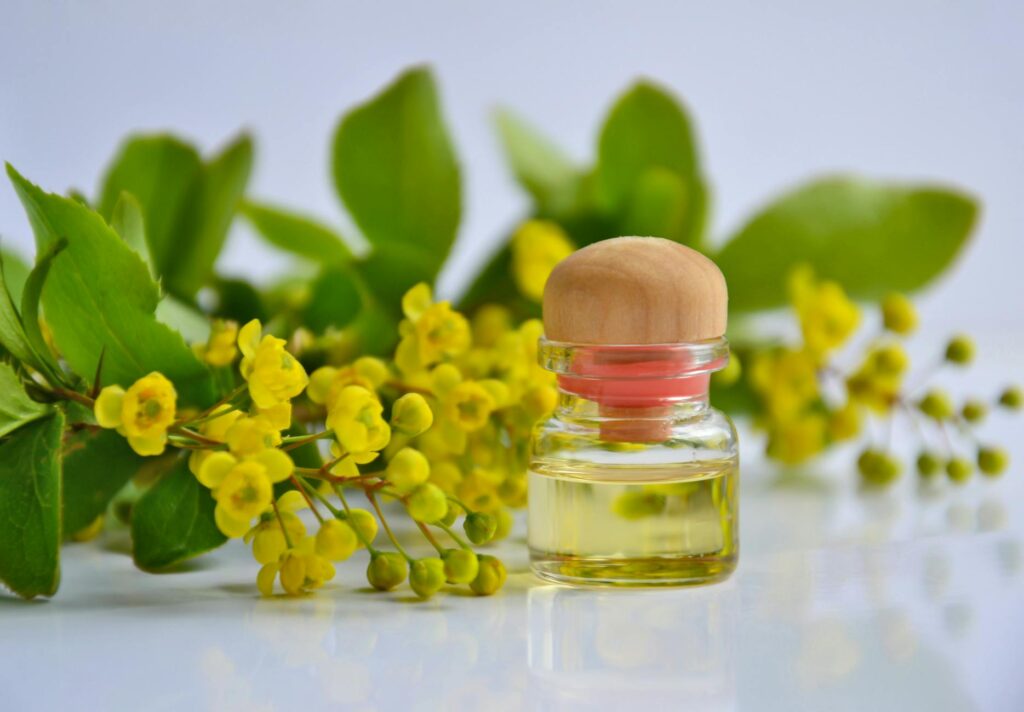
How to Use Squalane Oil
Introduction
Squalane oil has garnered significant attention in the realm of skincare and wellness in recent years. Originating from a natural component found in human sebum, this lightweight, non-greasy oil is lauded for its myriad benefits. As more individuals seek natural alternatives for their skincare routines, understanding how to use squalane oil effectively is essential. This article delves into the nature of squalane oil, its benefits, common applications, and safety considerations.
What Is Squalane Oil?
Squalane is a saturated derivative of squalene, a compound that occurs naturally in the skin and is also found in various plants and animals. Traditionally, squalene was sourced from shark liver oil, but ethical and environmental concerns have prompted the shift to plant-based alternatives. Today, squalane is primarily derived from sources such as olives, sugarcane, and rice bran.
Squalane oil is a stable form of squalene that is odorless, colorless, and non-comedogenic, making it an ideal choice for a variety of skin types. In skincare formulations, it serves as an emollient, providing moisture and aiding in the skin’s barrier function.
Key Benefits and Properties
Squalane oil is celebrated for its extensive benefits, which include:
1. Moisturizing Properties: Squalane is an excellent emollient, helping to hydrate the skin without leaving a greasy residue. It mimics the skin’s natural oils, making it suitable for all skin types, including oily and combination skin.
2. Antioxidant Effects: Squalane possesses antioxidant properties that help protect the skin from oxidative stress caused by free radicals. This protective action can help maintain skin health and appearance.
3. Anti-Inflammatory Qualities: The oil has been noted for its anti-inflammatory properties, making it beneficial for soothing irritated or sensitive skin.
4. Non-Comedogenic: Unlike some oils that can clog pores, squalane oil is non-comedogenic, making it a safe option for those prone to acne.
5. Supports Skin Elasticity: Regular use of squalane can enhance skin elasticity, contributing to a more youthful appearance.
Common Uses
Squalane oil can be incorporated into various aspects of skincare and wellness. Here are some common ways to use it:
1. Facial Oil
As a standalone facial oil, squalane can be applied directly to the skin after cleansing. A few drops are usually sufficient; gently massage the oil into the skin using upward motions. This helps lock in moisture and can be particularly effective when used after applying serums or toners.
2. Moisturizer Booster
Squalane oil can enhance the efficacy of your existing moisturizer. Simply mix a few drops into your daily cream or lotion to boost hydration levels and improve skin texture.
3. Makeup Remover
Due to its ability to dissolve makeup and impurities, squalane oil can serve as an effective makeup remover. Apply a small amount to a cotton pad or directly to the skin and wipe away makeup gently.
4. Hair Care
Squalane oil can also be beneficial for hair. It helps to hydrate and nourish both the hair and scalp, minimizing dryness and frizz. A few drops can be applied to damp hair or used as a finishing oil for added shine.
5. Body Oil
To maintain overall skin hydration, squalane oil can be used as a body oil. Incorporate it into your post-shower routine by applying it to damp skin for enhanced absorption.
Aromatherapy Applications
While squalane oil is primarily recognized for its skincare benefits, it can also be used in aromatherapy applications. Its neutral scent makes it an excellent carrier oil for essential oils, allowing for a more personalized aromatherapy experience. Here are some potential applications:
1. Diluting Essential Oils: When blending essential oils for topical application, squalane can be used to dilute oils such as lavender, tea tree, or eucalyptus. This not only makes the essential oils safer for skin application but also enhances their absorption.
2. Massage Oil: Squalane oil can be used as a base for massage oil blends. Its smooth texture allows for easy glide during massages, providing both relaxation and skin benefits.
3. Aromatherapy Roll-Ons: By mixing essential oils with squalane in a roller bottle, individuals can create on-the-go aromatherapy blends. This can be particularly useful for stress relief or mood enhancement.
Safety Considerations
Squalane oil is generally considered safe for topical use, but there are some considerations to keep in mind:
1. Patch Test: Before using squalane oil for the first time, it is advisable to conduct a patch test on a small area of skin to check for any allergic reactions or sensitivities.
2. Pregnancy and Nursing: While squalane oil is typically safe, it is always wise for pregnant or nursing individuals to consult a healthcare professional before incorporating new products into their routine.
3. Interactions with Other Ingredients: While squalane is compatible with most skincare ingredients, it is advisable to be cautious when mixing it with potent actives like retinol or acids. Consult product guidelines to ensure compatibility.
Storage and Shelf Life
To maintain the integrity and effectiveness of squalane oil, proper storage is essential:
1. Keep in a Cool, Dark Place: Squalane oil should be stored away from direct sunlight and heat to prevent oxidation. A cool, dark cabinet is ideal.
2. Seal Tightly: Ensure the bottle is tightly sealed after each use to minimize exposure to air, which can degrade the oil over time.
3. Check Expiration: Most squalane oils have a shelf life of about 12 to 24 months, depending on the formulation and packaging. Always check for any changes in color or smell before use, and dispose of if in doubt.
Frequently Asked Questions
1. Is squalane oil suitable for all skin types?
Yes, squalane oil is suitable for all skin types, including sensitive and acne-prone skin. Its lightweight texture and non-comedogenic nature make it an excellent option for various skin concerns.
2. Can I use squalane oil daily?
Absolutely! Squalane oil can be used daily as part of your skincare routine. It can be applied in the morning and evening for optimal hydration.
3. How does squalane oil compare to other oils?
Squalane oil is lighter and absorbs more quickly than many traditional oils, such as coconut or olive oil. Its non-greasy feel and non-comedogenic properties make it a preferred choice for many.
4. Can squalane oil help with acne?
While squalane oil is not a treatment for acne, its non-comedogenic nature and soothing properties may help support a balanced skin environment, which can be beneficial for those prone to breakouts.
5. Is it vegan?
Yes, most squalane oils on the market today are derived from plant sources, making them suitable for vegans. Always check product labels to ensure ethical sourcing.
Conclusion
Squalane oil is a versatile and effective ingredient that can enhance various aspects of skincare and wellness routines. Its moisturizing properties, antioxidant effects, and non-comedogenic nature make it a valuable addition to the beauty regimen of individuals seeking natural alternatives. By understanding its uses, benefits, and safety considerations, one can fully appreciate the potential of squalane oil in promoting healthy, radiant skin.