
How to Use Steam Distillation
Introduction
Steam distillation is a widely employed method for extracting essential oils from various plant materials, including flowers, leaves, bark, and roots. This technique has been used for centuries, allowing the capture of aromatic compounds in a pure and concentrated form. In this article, we will delve into the details of steam distillation, exploring its process, benefits, common applications, and safety considerations.
What Is Steam Distillation?
Steam distillation is a separation process that utilizes steam to extract volatile compounds from plant materials. The method is particularly effective for substances that are sensitive to heat, as the steam carries the essential oil vapor away from the plant material, preventing degradation.
The Process
1. Preparation: The plant material is first prepared, which may involve grinding or chopping to increase the surface area for extraction.
2. Steam Generation: Water is heated in a distillation apparatus, producing steam that rises through the plant material.
3. Extraction: As the steam passes through the plant material, it vaporizes the essential oils. The mixture of steam and essential oils travels through a condenser.
4. Condensation: In the condenser, the vapor cools and reverts to liquid form. The resultant mixture consists of hydrosol (the water that contains water-soluble compounds from the plant) and essential oil.
5. Separation: The oil and hydrosol are separated, as essential oils are generally less dense than water and will float on the surface.
Equipment Needed
To perform steam distillation, specific equipment is required, including:
- A heat source (e.g., a stove or hot plate)
- A distillation pot
- A condenser
- A collection vessel
- A source of water
- Preservation of Aroma: The gentle process preserves the integrity of volatile compounds, leading to high-quality essential oils.
- Efficiency: This method can produce a significant yield from relatively small amounts of plant material.
- Versatility: Suitable for a wide range of botanicals, including delicate flowers and robust herbs.
- Non-Toxic: The process does not involve harmful solvents or chemicals, making it a preferred choice for natural products.
- Cosmetics and Skincare: Essential oils are incorporated into lotions, creams, and perfumes for their aromatic properties and potential benefits.
- Food and Beverage: Some essential oils are used as flavoring agents in culinary applications.
- Household Products: Many household cleaning products utilize essential oils for their antimicrobial properties and pleasant scents.
- Industrial Applications: Essential oils are used in the production of fragrances, flavorings, and aromatics in various industries.
- Dilution: Essential oils are highly concentrated and should be diluted with carrier oils before topical application.
- Skin Sensitivity: Conduct a patch test on a small area of skin before widespread use, as some individuals may have sensitivities to certain oils.
- Pregnancy and Children: Some essential oils may not be suitable for pregnant women or young children. Always consult with a knowledgeable professional before use.
- Allergies: Individuals with allergies should exercise caution and consult a healthcare professional before using any essential oils.
- Storage: Proper storage of essential oils is crucial to maintain their quality. Keep them in dark glass bottles away from light and heat.
- Dark Glass Bottles: Store essential oils in dark glass bottles to protect them from light, which can degrade the oil.
- Cool, Dry Place: Keep oils in a cool, dry environment away from direct sunlight and heat sources.
- Shelf Life: Most essential oils have a shelf life of 1 to 2 years, though some oils (like citrus) may have shorter shelf lives, while others (like sandalwood) can last much longer.
- Signs of Degradation: Look for changes in color, consistency, or aroma, which may indicate that the oil has deteriorated and should be discarded.
While DIY setups can be created, commercially available distillation kits can provide better efficiency and safety.
Key Benefits and Properties
Steam distillation offers several advantages over other extraction methods:
Common Uses
Steam-distilled essential oils are widely used in various fields, including:
Aromatherapy Applications
Aromatherapy utilizes essential oils to promote emotional and physical well-being. The following applications highlight how steam-distilled oils can be integrated into holistic practices:
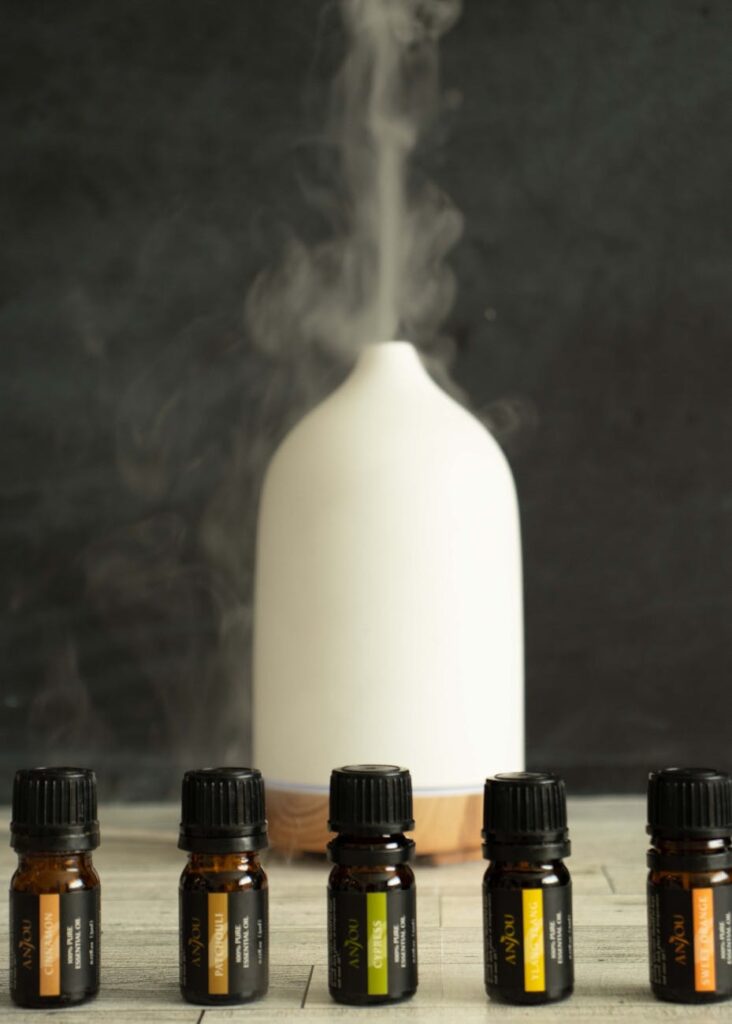
1. Diffusion: Essential oils are often diffused into the air using ultrasonic diffusers or nebulizers, creating an aromatic environment that can enhance mood and relaxation.
2. Massage: Diluted essential oils can be used in massage therapy, promoting relaxation and alleviating tension.
3. Inhalation: Direct inhalation of essential oils can provide immediate aromatic benefits, often used during meditation or yoga practices.
4. Bathing: Adding essential oils to bathwater can create a soothing experience, promoting relaxation and stress relief.
5. Topical Application: Essential oils can be blended with carrier oils for skin application, but it is essential to ensure proper dilution to avoid irritation.
Safety Considerations
While steam-distilled essential oils are generally safe when used properly, there are several safety considerations to keep in mind:
Storage and Shelf Life
The shelf life of steam-distilled essential oils can vary based on several factors, including the type of oil, storage conditions, and exposure to air and light. Generally, here are some guidelines:
Frequently Asked Questions
What is the difference between steam distillation and cold pressing?
Cold pressing is a method primarily used for citrus fruits, where the oil is extracted by mechanically pressing the peel. Steam distillation, on the other hand, is suitable for a broader range of plant materials and employs steam to vaporize the essential oils.
Can I perform steam distillation at home?
While it is possible to perform steam distillation at home with the right equipment, it requires careful attention to detail and safety. For beginners, purchasing essential oils from reputable suppliers is recommended.
Are all essential oils steam distilled?
No, not all essential oils are steam distilled. Other methods such as cold pressing, solvent extraction, and CO2 extraction are also used, depending on the plant material and desired properties.
How can I choose high-quality essential oils?
Look for oils that are labeled as “100% pure” and “therapeutic grade.” Research the supplier’s reputation, and consider seeking out oils that have undergone third-party testing for purity and quality.
What should I do if I experience irritation from an essential oil?
If you experience irritation, discontinue use immediately and wash the affected area with soap and water. In case of severe irritation or allergic reactions, seek medical attention.
Conclusion
Steam distillation is a fundamental technique for extracting essential oils from plant materials, offering numerous benefits and applications. Whether used in aromatherapy, cosmetics, or household products, essential oils derived through this method can enhance well-being and enrich daily life. Understanding the process, benefits, and safety considerations will empower individuals to explore the world of essential oils with confidence and care.