
How to Use Steam Distilled Peppermint Oil
Introduction
Peppermint oil, derived from the leaves of the Mentha × piperita plant, has been celebrated for its invigorating aroma and diverse applications. Among various extraction methods, steam distillation is the most common and effective way to obtain high-quality peppermint oil. This article explores the properties, benefits, and various uses of steam distilled peppermint oil, as well as important safety considerations and storage tips.
What Is Steam Distilled Peppermint Oil?
Steam distilled peppermint oil is extracted through a process that involves passing steam through peppermint leaves. The heat causes the oil glands in the leaves to release their essential oils, which are then carried by the steam. Once cooled, the steam condenses back into liquid form, allowing the oil to be separated from the water. The result is a concentrated essential oil rich in aromatic compounds.
This method preserves the integrity of the oil, capturing its distinctive scent and therapeutic properties. Steam distilled peppermint oil typically has a fresh, sharp, and minty aroma that is both stimulating and refreshing.
Key Benefits and Properties
Steam distilled peppermint oil is known for its unique chemical composition, which includes menthol, menthone, and various other terpenes and esters. These compounds contribute to the oil’s numerous benefits:
- Cooling Sensation: The menthol in peppermint oil produces a cooling effect, making it popular for topical applications.
- Digestive Support: While not a substitute for professional medical advice, peppermint oil has been traditionally associated with digestive health.
- Mood Enhancement: Its invigorating scent can uplift the mood and promote mental clarity.
- Antimicrobial Properties: Research suggests that peppermint oil may possess antimicrobial qualities, making it a common ingredient in natural cleaning products.
- Dilution: Always dilute peppermint oil with a carrier oil before applying it to the skin to avoid irritation. A common dilution ratio is 1-2 drops of essential oil per teaspoon of carrier oil.
- Patch Test: Conduct a patch test before using peppermint oil topically. Apply a small diluted amount to a small area of skin to test for any allergic reactions.
- Pregnancy and Nursing: Pregnant or nursing women should consult a healthcare professional before using peppermint oil.
- Children and Pets: Use caution when using peppermint oil around young children and pets, as they may be more sensitive to essential oils.
- Avoid Ingestion: While peppermint oil can be used as a flavoring agent in small amounts, it should not be ingested in large quantities or without professional guidance.
- Store in a Cool, Dark Place: Essential oils should be kept away from direct sunlight and heat sources. A cool, dark cupboard is ideal.
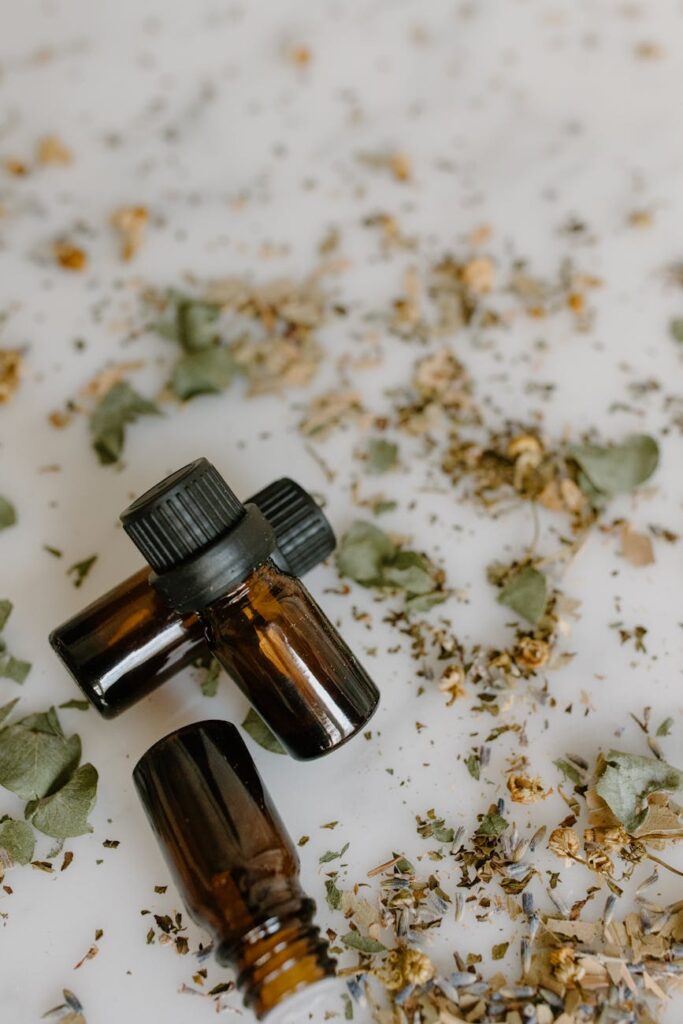
- Use Dark Glass Containers: To protect the oil from light, store it in dark glass bottles. This helps prevent oxidation and degradation.
- Seal Tightly: Always ensure the bottle is tightly sealed to prevent the oil from evaporating or becoming contaminated.
Common Uses
Steam distilled peppermint oil offers a wide range of applications across various fields:
1. Aromatherapy:
Used in diffusers or inhalers, peppermint oil can enhance mental focus and energy levels.
2. Topical Applications:
When diluted with a carrier oil, peppermint oil can be applied to the skin for its cooling effects, often used in massage oils or balms.
3. Household Cleaning:
Due to its antimicrobial properties, peppermint oil is often added to homemade cleaning solutions.
4. Flavoring Agent:
In culinary applications, peppermint oil can be used to flavor foods and beverages, though it should be used sparingly due to its potency.
5. Personal Care Products:
Incorporated into shampoos, conditioners, and lotions, peppermint oil can provide a refreshing and invigorating scent.
Aromatherapy Applications
In aromatherapy, steam distilled peppermint oil is prized for its uplifting and stimulating qualities. Here are some popular methods for incorporating peppermint oil into your aromatherapy practice:
1. Diffusers:
Adding a few drops of peppermint oil to an essential oil diffuser can create an energizing atmosphere. It is often used in workspaces or during study sessions to enhance concentration.
2. Inhalation:
For a quick boost, you can inhale peppermint oil directly from the bottle or by adding a few drops to a tissue. This method is particularly useful for clearing the mind during moments of fatigue.
3. Massage:
When mixed with a carrier oil, peppermint oil can be used for massage. Its cooling properties can help relieve tension in sore muscles.
4. Bathing:
Adding peppermint oil to bathwater can transform your bathing experience into a refreshing retreat. Combine it with Epsom salts for added benefits.
5. Potpourri and Sachets:
Incorporating a few drops of peppermint oil into potpourri or sachets can impart a refreshing scent to your living space.
Safety Considerations
While steam distilled peppermint oil is generally considered safe for use, there are important safety considerations to keep in mind:
Storage and Shelf Life
Proper storage of steam distilled peppermint oil is essential to maintain its quality and potency. Here are some tips for storage:
The shelf life of steam distilled peppermint oil is generally around 2-3 years when stored properly. However, always check for changes in aroma, color, or consistency as signs of degradation.
Frequently Asked Questions
1. Is steam distilled peppermint oil safe for everyone?
While generally safe, it may not be suitable for everyone. Pregnant or nursing individuals, young children, and pets should exercise caution and consult a healthcare professional when necessary.
2. Can I use peppermint oil for headaches?
Many people use peppermint oil for its cooling properties, which can provide a soothing effect. However, it is essential to avoid direct contact with the eyes and to dilute it properly for topical use.
3. How can I incorporate peppermint oil into my cooking?
Peppermint oil can be added to recipes in small amounts. Due to its potency, start with just a drop or two and adjust according to taste.
4. Can steam distilled peppermint oil be used in skincare?
Yes, when diluted with a carrier oil, peppermint oil can be beneficial for skincare. It is often included in products aimed at refreshing the skin or as part of massage oils.
5. What is the difference between steam distilled and other types of peppermint oil?
Steam distillation is the preferred method for extracting peppermint oil due to its ability to preserve the oil’s beneficial properties and aroma. Other methods, such as cold pressing, may yield different scents and compositions.
—
In conclusion, steam distilled peppermint oil is a versatile essential oil with a wide range of applications. Its invigorating aroma and numerous benefits make it a valuable addition to the realms of aromatherapy, personal care, and household cleaning. By following safety guidelines and proper storage practices, you can enjoy the refreshing properties of this remarkable oil for years to come.