
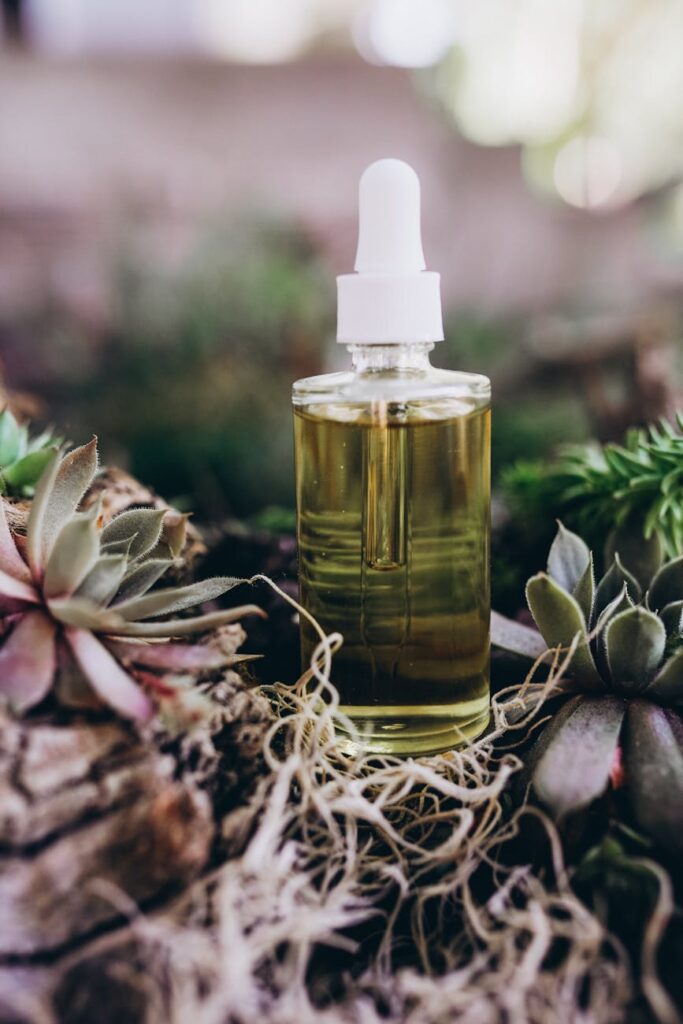
How to Use Succulent Plants
Introduction
Succulent plants have garnered significant attention in recent years, both in horticulture and home decor. Their unique shapes, vibrant colors, and low maintenance requirements make them appealing to a wide range of enthusiasts. Beyond their aesthetic value, succulents also offer various benefits and applications, particularly in the realms of aromatherapy and wellness. This article will explore the characteristics of succulent plants, their uses, and how to incorporate them into your life effectively.
What Are Succulent Plants?
Succulent plants are characterized by their thick, fleshy tissues that store water, enabling them to thrive in arid environments. They belong to multiple botanical families, including Cactaceae (cacti), Crassulaceae (such as jade plants), and Euphorbiaceae (like the crown of thorns). Succulents can be found in a variety of shapes, sizes, and colors, often featuring distinct leaf patterns and textures.
The ability to retain water is a defining feature of succulents, allowing them to survive in conditions that would be inhospitable to many other plants. Common examples include Aloe vera, Echeveria, Haworthia, and Sedum. Each species has its unique care requirements, but most succulents share a preference for well-draining soil and bright light.
Key Benefits and Properties
1. Aesthetic Appeal
The striking appearance of succulents makes them a popular choice for home decor and landscaping. Their diverse forms can enhance any space, from small apartments to expansive gardens. The variety of colors—ranging from greens to reds, yellows, and even purples—allows for creative arrangements that can suit any personal style.
2. Air Purification
Research suggests that certain succulent plants can contribute to indoor air quality by filtering toxins and releasing oxygen. While they may not be as effective as some larger houseplants, they can still play a role in creating a healthier living environment.
3. Easy Maintenance
One of the most significant advantages of succulents is their low maintenance needs. They require minimal watering compared to traditional houseplants, making them ideal for individuals with busy lifestyles or those who may lack a green thumb. Many succulents can survive prolonged periods of neglect, as long as they receive adequate light.
4. Therapeutic Benefits
While succulents are not typically used for their medicinal properties, engaging with plants has been shown to reduce stress and promote emotional well-being. The act of caring for plants can be a grounding activity, offering a sense of accomplishment and connection to nature.
Common Uses
1. Home Decor
Succulents are often used as decorative elements in homes and offices. Their unique shapes and colors can complement various design styles, from minimalist to bohemian. They are commonly arranged in terrariums, placed in decorative pots, or even used as centerpieces for events.
2. Gifts
Due to their ease of care and aesthetic appeal, succulents make excellent gifts for various occasions. They can be presented in decorative containers, making them a thoughtful choice for housewarming, birthdays, or holidays.
3. Craft Projects
Succulents can also serve as inspiration for various craft projects. Their unique shapes and textures can be incorporated into artwork, homemade decorations, or even jewelry. Additionally, succulent cuttings can be used to create arrangements that can beautify any space.
Aromatherapy Applications
While succulents are not typically associated with essential oils, some species, such as Aloe vera, can be used in natural remedies and skincare. Aloe vera gel, derived from the plant’s leaves, is commonly used for its soothing properties on the skin.
1. Aloe Vera for Skin Care
Aloe vera is well-known for its hydrating and soothing effects, making it a popular ingredient in skincare products. The gel can be applied directly to the skin to alleviate minor burns, irritation, or dryness. While it may not be an essential oil in the traditional sense, it offers a range of benefits when used topically.
2. Succulent Infusions
Some enthusiasts experiment with infusing succulent leaves in oils or other mediums, creating unique blends for topical application or sensory enjoyment. However, it is essential to research specific succulents and their properties before attempting to create such infusions.
3. Succulent Decor in Aromatherapy Spaces
Incorporating succulents into aromatherapy spaces can enhance the overall ambiance. Their calming presence can complement the soothing effects of essential oils, creating a relaxing environment for meditation, yoga, or relaxation.
Safety Considerations
While many succulents are safe for general use, some species can be toxic if ingested. It is crucial to research individual plants and their properties, especially if you have pets or small children. Common succulents like Aloe vera are generally safe, but others, such as certain Euphorbia species, can cause irritation or other adverse reactions.
1. Allergic Reactions
Individuals with sensitive skin may experience allergic reactions when using products derived from succulents. Conduct a patch test before applying any plant-based product to a larger area of skin.
2. Proper Identification
Always ensure that you can accurately identify the succulent species you are working with. Misidentification can lead to unintended consequences, especially if you are considering using the plant for topical or culinary purposes.
Storage and Shelf Life
1. Caring for Live Succulents
If you are growing succulents, it is essential to provide them with proper care to extend their lifespan. They should be kept in well-draining pots and watered sparingly. During the growing season, typically spring and summer, they may require more frequent watering. In contrast, during the dormant period in winter, water usage should be significantly reduced.
2. Storing Aloe Vera Gel
If you harvest Aloe vera gel, it can be stored in the refrigerator for a short period. However, it is best to use it fresh for maximum effectiveness. If mixed with other ingredients, the shelf life may vary depending on the other components involved.
Frequently Asked Questions
1. What types of succulents are best for beginners?
Some beginner-friendly succulents include Echeveria, Sedum, and Haworthia. These species are typically hardy and require minimal care.
2. Can I propagate succulents at home?
Yes, many succulents can be easily propagated through leaf or stem cuttings. Ensure that you allow the cuttings to callous over before planting them in soil.
3. How often should I water my succulents?
Watering frequency depends on the specific type of succulent and environmental conditions. Generally, succulents should be watered when the soil is completely dry, typically every 2-4 weeks.
4. Are succulents safe for pets?
Some succulents are safe for pets, while others can be toxic. It is essential to research the specific varieties you have at home to ensure they are non-toxic to your pets.
5. How do I identify a specific succulent species?
Identifying succulents can be challenging due to their diverse appearances. Utilizing plant identification apps, consulting gardening books, or seeking guidance from local horticultural societies can help you accurately identify your plants.
Conclusion
Succulent plants are not only visually appealing but also offer various benefits and applications that enhance our living spaces and daily routines. From their aesthetic charm to their low maintenance requirements, succulents serve as a versatile addition to both home decor and wellness practices. By understanding their properties and uses, you can make informed choices about incorporating these remarkable plants into your life. Whether you are a seasoned gardener or a casual plant enthusiast, succulents offer a world of possibilities waiting to be explored.