
How to Use Sweet Almond Oil
Introduction
Sweet almond oil has long been cherished for its versatility and beneficial properties. Derived from the seeds of the Prunus amygdalus dulcis tree, this oil is a staple in both culinary and cosmetic applications. Known for its mild flavor and lightweight texture, sweet almond oil is an excellent carrier oil in aromatherapy and massage, making it a popular choice among practitioners and enthusiasts alike. This article will explore the characteristics, benefits, common uses, and safety considerations of sweet almond oil, providing a comprehensive guide for those interested in incorporating it into their daily routines.
What Is Sweet Almond Oil?
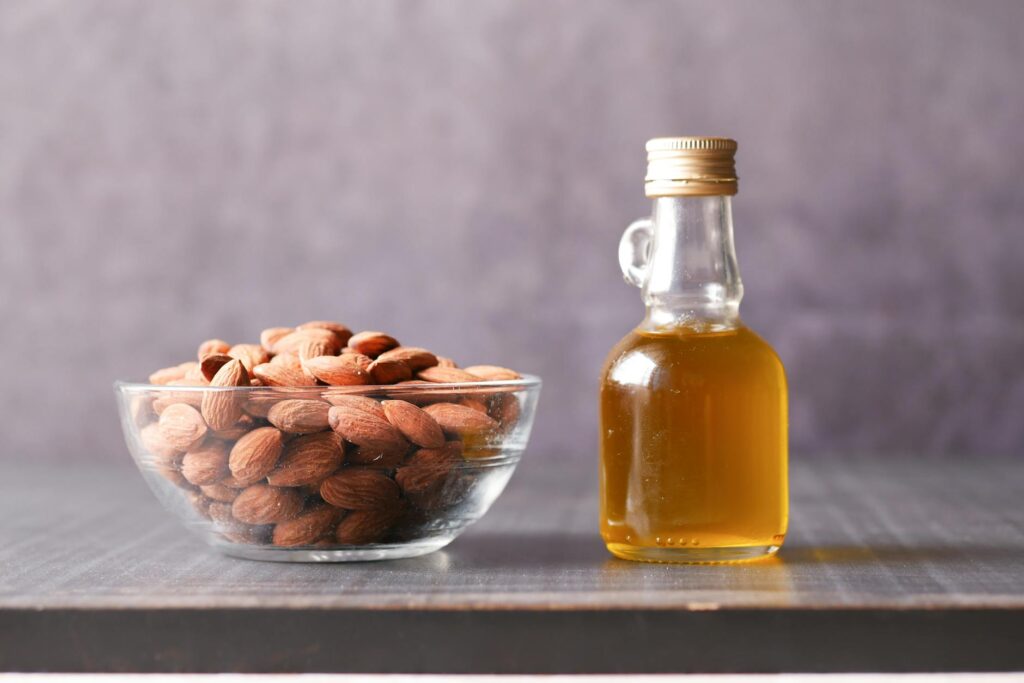
Sweet almond oil is extracted from the dried kernels of the sweet almond tree. The extraction process typically involves cold pressing, which helps to retain the oil’s nutritional properties. This light yellow oil has a slightly nutty aroma and a smooth consistency, making it easy to blend with other essential oils or ingredients. It is important to distinguish sweet almond oil from bitter almond oil, which is derived from a different variety of almond and contains potentially toxic compounds.
Key Benefits and Properties
Sweet almond oil is renowned for its various beneficial properties:
Nutrient-Rich Composition
Sweet almond oil is rich in vitamins and minerals, including vitamin E, vitamin A, and essential fatty acids, which contribute to skin health and overall well-being.
Moisturizing Properties
Due to its emollient nature, sweet almond oil is an effective moisturizer for both skin and hair. It helps to lock in moisture, making it an excellent choice for dry or sensitive skin types.
Anti-Inflammatory Effects
The oil possesses natural anti-inflammatory properties that may help soothe irritated skin and reduce redness. This makes it suitable for various skin conditions, including eczema and psoriasis.
Antioxidant Qualities
Rich in antioxidants, sweet almond oil may help protect the skin from oxidative stress and environmental damage, promoting a healthier appearance.
Absorption Characteristics
Sweet almond oil is easily absorbed by the skin, making it an ideal carrier oil for essential oils in aromatherapy and massage practices.
Common Uses
Sweet almond oil has a variety of applications, ranging from culinary uses to skincare, making it a versatile addition to any home.
Culinary Uses
In cooking, sweet almond oil can be used as a salad dressing, drizzled over vegetables, or incorporated into baked goods for added flavor. Its mild taste enhances dishes without overpowering other ingredients.
Skincare
As a popular ingredient in lotions, creams, and other skincare products, sweet almond oil can be used directly on the skin or mixed with other components to create custom formulations. It is particularly beneficial for moisturizing dry skin, soothing irritation, and promoting a healthy, radiant complexion.
Haircare
Sweet almond oil can be applied to hair as a conditioner or treatment to enhance shine and manageability. Its moisturizing properties help to nourish the scalp and reduce frizz.
Massage
Due to its smooth texture and skin-friendly properties, sweet almond oil is frequently used in massage therapies. It allows for easy gliding over the skin, reducing friction and enhancing the overall experience.
Aromatherapy Applications
In the realm of aromatherapy, sweet almond oil serves as an excellent carrier oil, allowing essential oils to be diluted and safely applied to the skin. Here are some common applications:
Blending with Essential Oils
When blending essential oils for aromatherapy, sweet almond oil can dilute potent oils, making them safe for topical application. Essential oils such as lavender, eucalyptus, and tea tree can be mixed with sweet almond oil to create soothing blends.
Diffusion
While not commonly used for diffusion, sweet almond oil can be combined with essential oils in a diffuser to create an aromatic atmosphere in a room. The oil can also be used in homemade scented candles or potpourri.
Bathing
Incorporating sweet almond oil into bathwater can enhance the bathing experience. A few drops mixed with essential oils can create a relaxing and hydrating bath, benefiting both the body and mind.
Safety Considerations
While sweet almond oil is generally regarded as safe for topical use, several considerations should be kept in mind:
Allergies
Individuals with nut allergies should exercise caution when using sweet almond oil, as it is derived from almonds. A patch test is recommended for first-time users to assess any potential allergic reactions.
Dilution
When using sweet almond oil as a carrier for essential oils, it is important to adhere to recommended dilution ratios to prevent skin irritation. A common guideline is to dilute essential oils at a ratio of 1-3 drops of essential oil per teaspoon of carrier oil.
Consultation
While sweet almond oil is widely used, individuals with specific health concerns or skin conditions should consult a healthcare professional or a qualified aromatherapist before use.
Storage and Shelf Life
Proper storage of sweet almond oil is essential to maintain its quality and efficacy:
Storage Conditions
Sweet almond oil should be stored in a cool, dark place, away from direct sunlight and heat. This helps to prevent oxidation and prolong the oil’s shelf life.
Shelf Life
When stored correctly, sweet almond oil typically has a shelf life of about 1-2 years. It is advisable to check for any off odors or changes in appearance before use, as these may indicate that the oil has gone rancid.
Frequently Asked Questions
Can I use sweet almond oil on my face?
Yes, sweet almond oil can be applied to the face as a moisturizer. However, individuals with nut allergies should avoid it.
Is sweet almond oil suitable for all skin types?
Sweet almond oil is generally suitable for most skin types, but those with oily or acne-prone skin should perform a patch test to ensure compatibility.
Can I use sweet almond oil for cooking?
Yes, sweet almond oil is safe for culinary use and can enhance the flavor of various dishes. However, it is not recommended for high-heat cooking.
How do I make a massage oil with sweet almond oil?
To create a massage oil, mix a few drops of your preferred essential oil with sweet almond oil at a recommended dilution ratio. This blend can then be used for massage.
Does sweet almond oil have a smell?
Sweet almond oil has a mild, nutty aroma, which is generally pleasant and not overpowering.
Conclusion
Sweet almond oil is a versatile and beneficial oil that can enhance various aspects of daily life, from cooking to skincare to aromatherapy. Its rich nutrient profile and moisturizing properties make it a valuable addition to personal care routines. By understanding how to use sweet almond oil safely and effectively, individuals can harness its potential to support their well-being and enrich their experiences. Whether you are a seasoned practitioner or a newcomer to the world of essential oils and natural products, sweet almond oil is a worthy addition to your collection.