
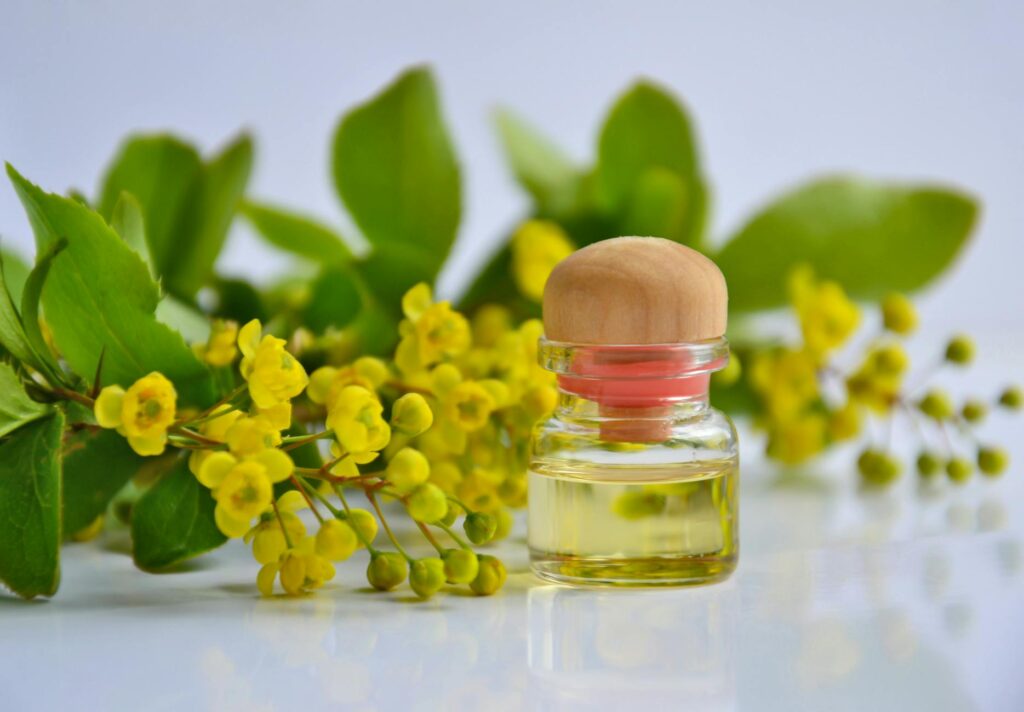
How to Use Sweet Orange Oil
Introduction
Sweet orange oil, derived from the peel of the Citrus sinensis fruit, has gained significant popularity in the realm of aromatherapy and essential oils. Revered for its bright, uplifting fragrance, this oil is not only a delightful addition to various applications but is also celebrated for its numerous benefits. This article explores the properties, uses, and safety considerations associated with sweet orange oil, offering insights into how to incorporate it into everyday life.
What Is Sweet Orange Oil?
Sweet orange oil is extracted through cold pressing the rind of the sweet orange fruit. This process captures the oil’s aromatic compounds without the use of heat, preserving its natural properties. The oil is a yellow to orange liquid with a sweet, citrus scent that is both refreshing and invigorating. It belongs to the family Rutaceae and is widely cultivated in tropical and subtropical regions around the world.
Key Benefits and Properties
Sweet orange oil boasts a variety of beneficial properties that make it a popular choice in both aromatherapy and natural wellness practices:
- Antimicrobial Properties: Sweet orange oil exhibits antimicrobial qualities that can help inhibit the growth of certain bacteria and fungi, making it a useful addition to cleaning products.
- Mood Enhancer: The uplifting scent of sweet orange oil is known to promote feelings of happiness and relaxation, potentially reducing stress and anxiety.
- Anti-inflammatory Effects: Some research suggests that sweet orange oil may possess anti-inflammatory properties, which can be beneficial in various applications.
- Digestive Support: When used topically or in aromatherapy, sweet orange oil may support digestive health, although evidence is largely anecdotal.
- Aromatherapy: Diffusing sweet orange oil in a room can enhance the atmosphere, promoting relaxation and elevating mood.
- Topical Applications: When diluted with a carrier oil, sweet orange oil can be applied to the skin for its uplifting aroma and potential skin benefits.
- Cleaning Products: Its antimicrobial properties make it a popular choice for homemade cleaning solutions, helping to disinfect surfaces while leaving a pleasant scent.
- Culinary Uses: In moderation, sweet orange oil can be used as a flavoring agent in culinary applications, though it is crucial to ensure that the oil is food-grade.
- Dilution: Always dilute sweet orange oil with a carrier oil before applying it to the skin to minimize the risk of irritation. A common ratio is one part essential oil to three parts carrier oil.
- Phototoxicity: Sweet orange oil can cause skin sensitivity when exposed to sunlight due to its phototoxic properties. It is advisable to avoid sun exposure for at least 12 hours after topical application.
- Allergies: Conduct a patch test before using sweet orange oil to check for any allergic reactions. Apply a small amount of diluted oil to a small area of skin and monitor for 24 hours.
- Pregnancy and Nursing: Pregnant or nursing individuals should consult with a healthcare professional before using essential oils, including sweet orange oil.
- Container: Store sweet orange oil in a dark glass bottle to protect it from light and air exposure, which can degrade its quality.
- Temperature: Keep the oil in a cool, dry place, away from direct sunlight and heat sources. Ideal storage conditions are around room temperature.
- Shelf Life: When stored correctly, sweet orange oil typically has a shelf life of 1-2 years. However, it is best to check for any changes in aroma or appearance before use, as these may indicate degradation.
These properties contribute to the oil’s versatility in various settings, from personal care to household cleaning.
Common Uses
Sweet orange oil can be utilized in a variety of ways, including:
Aromatherapy Applications
In aromatherapy, sweet orange oil is often used in various ways to enhance emotional well-being and create a harmonious environment:
Diffusion
One of the most common methods of using sweet orange oil in aromatherapy is through diffusion. By adding a few drops of the oil to a diffuser, the fragrance can fill a room, promoting a sense of calm and positivity. This method is particularly effective in spaces where people gather, such as living rooms or offices.
Massage
When blended with a carrier oil, sweet orange oil can be incorporated into massage routines. The combination of the oil’s aromatic properties and the physical benefits of massage can help relieve tension and uplift the mood. A typical dilution rate is 2-3 drops of sweet orange oil per tablespoon of carrier oil.
Bathing
Adding a few drops of sweet orange oil to a warm bath can transform the bathing experience into a spa-like retreat. The aroma can create a relaxing environment, and the oil may help soothe the skin when mixed with a carrier oil or bath product.
Inhalation
For those seeking immediate relief from stress or anxiety, inhalation is a straightforward method. Simply placing a few drops of sweet orange oil on a tissue or cotton ball and inhaling deeply can offer a quick mood boost.
Safety Considerations
While sweet orange oil is generally considered safe for most individuals, it is essential to observe certain precautions:
Storage and Shelf Life
To maintain the quality and potency of sweet orange oil, proper storage is crucial:
Frequently Asked Questions
1. Can sweet orange oil be ingested?
While some essential oils are safe for culinary use, it is essential to ensure that sweet orange oil is food-grade and consult a professional before ingesting any essential oils.
2. Is sweet orange oil safe for children?
Sweet orange oil can be used in children’s aromatherapy, but it is advisable to dilute it thoroughly and consult with a healthcare professional for age-appropriate uses.
3. Can I use sweet orange oil for skincare?
Sweet orange oil can be beneficial for skincare when diluted with a carrier oil. However, it is essential to conduct a patch test to check for sensitivity.
4. How do I know if my sweet orange oil is pure?
To ensure the purity of sweet orange oil, purchase it from reputable suppliers who provide information about sourcing and testing. Look for certifications indicating that the oil is 100% pure and free from additives.
5. Can I use sweet orange oil in a candle?
Yes, sweet orange oil can be added to homemade candles for a refreshing scent. However, ensure that the wax you use can accommodate essential oils and follow appropriate guidelines for adding fragrance.
Conclusion
Sweet orange oil is a versatile and beneficial essential oil that can enhance various aspects of daily life. From its uplifting aroma to its antimicrobial properties, it serves multiple purposes in aromatherapy, personal care, and cleaning. By understanding how to use sweet orange oil safely and effectively, individuals can enjoy its many advantages while enriching their overall well-being. Always remember to approach essential oils with respect, prioritizing safety and proper usage for the best results.