
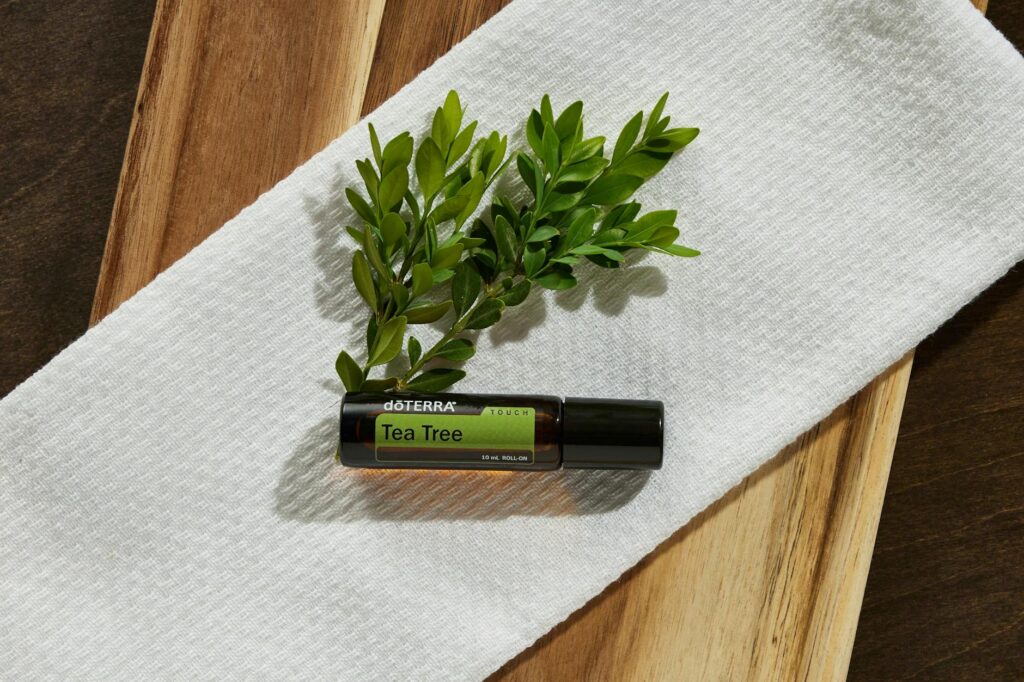
How to Use Tea Tree Oil Safely
Introduction
Tea tree oil, derived from the leaves of the Melaleuca alternifolia tree native to Australia, has gained prominence for its diverse applications in personal care, household cleaning, and wellness. Renowned for its antimicrobial and antiseptic properties, tea tree oil has become a staple in many households. However, like any essential oil, it is crucial to understand how to use it safely to fully enjoy its benefits without adverse effects. This article delves into the safety aspects of tea tree oil, its benefits, common uses, and practical tips for safe application and storage.
What Is Tea Tree Oil Safety?
Tea tree oil safety encompasses a range of practices aimed at ensuring that this potent essential oil is used in a manner that minimizes potential risks. Essential oils are highly concentrated plant extracts, and while they offer numerous benefits, they can also cause skin irritation or adverse reactions if not used properly. Understanding the correct dilution methods, application techniques, and potential contraindications is essential for safe usage.
Key Benefits and Properties
Tea tree oil is celebrated for its multifaceted properties, which include:
- Antimicrobial: Tea tree oil is known for its ability to combat a variety of bacteria, viruses, and fungi, making it an effective natural disinfectant.
- Anti-inflammatory: It can help reduce inflammation, which may be beneficial in addressing conditions like acne or minor skin irritations.
- Analgesic: Some users find relief from minor aches and pains when using tea tree oil.
- Insecticidal: The oil is often used in natural pest control applications due to its insect-repelling properties.
- Skin Care: Tea tree oil is often added to skincare products to help fight acne, reduce blemishes, and soothe irritated skin.
- Hair Care: It can be included in shampoos and conditioners to help with dandruff and promote a healthy scalp.
- Household Cleaning: Due to its antimicrobial properties, tea tree oil is frequently used in homemade cleaning solutions and disinfectants.
- Aromatherapy: As an essential oil, it can be utilized in diffusers for its uplifting and purifying scent.
- Diffusing: Adding a few drops of tea tree oil to a diffuser can help cleanse the air and provide a calming atmosphere.
- Topical Application: When diluted with a carrier oil, tea tree oil can be applied to pulse points or areas of concern on the skin.
- Bathing: Adding tea tree oil to bathwater can create a relaxing and soothing experience.
- Dilution: Always dilute tea tree oil with a carrier oil (such as coconut, jojoba, or almond oil) before applying it to the skin. A common dilution ratio is 2-3 drops of tea tree oil per tablespoon of carrier oil.
- Patch Test: Conduct a patch test by applying a small amount of the diluted oil to a discreet area of skin. Wait 24 hours to check for any adverse reactions.
- Diffusion: When using a diffuser, ensure proper ventilation in the room to avoid overwhelming scents, which can lead to headaches or respiratory irritation in sensitive individuals.
- Direct Inhalation: Avoid direct inhalation of concentrated tea tree oil, as it may cause irritation to the mucous membranes.
- Consultation: While tea tree oil is often considered safe for adults, it is advisable for children and pregnant or breastfeeding women to consult with a healthcare professional before using essential oils.
- Pre-existing Conditions: Individuals with known allergies to plants in the Myrtaceae family (e.g., eucalyptus) should exercise caution due to potential cross-reactivity.
- Skin Conditions: Those with existing skin conditions should be cautious and may want to consult a dermatologist before using tea tree oil.
- Cool, Dark Place: Store tea tree oil in a cool, dark place away from direct sunlight. Essential oils can degrade when exposed to light and heat.
- Tightly Sealed: Ensure the bottle is tightly sealed to prevent oxidation and contamination.
- Shelf Life: When stored correctly, tea tree oil typically lasts for 1 to 2 years. Check for changes in color, scent, or consistency before use, as these can indicate spoilage.
These properties make tea tree oil a versatile addition to both personal care routines and household cleaning practices.
Common Uses
The versatility of tea tree oil allows it to be used in various applications, including:
Aromatherapy Applications
In aromatherapy, tea tree oil is often used to promote a sense of well-being and relaxation. When diffused, it can help purify the air and create a refreshing environment. Common methods of application include:
It is important to note that essential oils should not be ingested unless specifically directed by a qualified professional.
Safety Considerations
While tea tree oil is generally considered safe for most individuals, there are several key safety considerations to keep in mind:
Skin Sensitivity
Inhalation
Children and Pregnant Women
Allergies and Sensitivities
Storage and Shelf Life
To maximize the potency and safety of tea tree oil, proper storage is essential:
Frequently Asked Questions
Can tea tree oil be ingested?
Tea tree oil is not intended for internal use unless under the guidance of a qualified healthcare professional. Ingesting tea tree oil can be toxic and may cause adverse effects.
Is tea tree oil safe for pets?
While some pet owners use diluted tea tree oil for certain conditions, it is best to consult a veterinarian before using any essential oil around pets, as some oils can be harmful to animals.
Can I use tea tree oil on open wounds?
Tea tree oil should not be applied directly to open wounds without the guidance of a healthcare professional, as it may cause irritation.
How often can I use tea tree oil?
The frequency of use will depend on the application method and individual tolerance. Generally, it is advisable to start with limited use and observe how your body responds.
Can tea tree oil cause allergic reactions?
Yes, while rare, some individuals may experience allergic reactions to tea tree oil. Symptoms can include redness, itching, or rash. Discontinue use and consult a healthcare provider if any adverse reactions occur.
Conclusion
Tea tree oil is a versatile and potent essential oil that offers numerous benefits across various applications. However, understanding its safe use is essential to avoid potential risks. By following guidelines for dilution, application, and storage, users can safely incorporate tea tree oil into their routines. As always, when in doubt, consulting with a healthcare professional can provide additional reassurance and guidance. Embrace the natural benefits of tea tree oil while prioritizing safety for an enriching experience.