
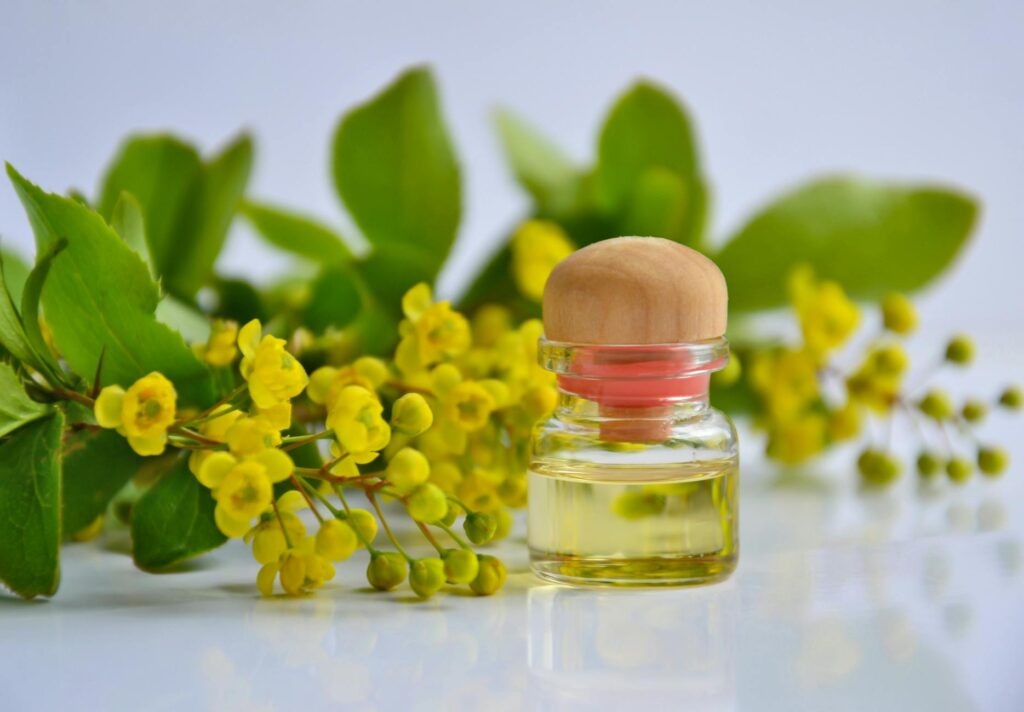
How to Use Thyme Oil Safely
Introduction
Thyme oil, derived from the leaves and flowers of the Thymus vulgaris plant, is a versatile essential oil known for its robust aroma and numerous applications in aromatherapy, culinary practices, and natural wellness. However, like all essential oils, thyme oil must be used with caution to maximize its benefits while minimizing potential risks. This article will explore the safety considerations surrounding thyme oil, its key benefits, common uses, and appropriate applications within the realm of aromatherapy.
What Is Thyme Oil Safety?
Thyme oil safety refers to the practices and guidelines that ensure the safe use of thyme essential oil. Given its concentrated nature, thyme oil can have potent effects, which necessitate careful handling and application. Understanding its properties, potential risks, and appropriate usage is crucial for anyone interested in incorporating thyme oil into their routine.
Key Benefits and Properties
Thyme oil possesses a variety of beneficial properties, making it a popular choice among essential oil enthusiasts. Some key benefits include:
1. Antimicrobial Properties: Thyme oil is known for its natural antimicrobial effects, which can help combat certain bacteria and fungi. This makes it valuable in formulations aimed at cleaning and disinfecting.
2. Respiratory Support: The oil is often associated with respiratory health due to its potential to ease congestion and support clear breathing.
3. Antioxidant Effects: Thyme oil contains compounds that may provide antioxidant benefits, helping to neutralize free radicals in the body.
4. Mood Enhancement: The aromatic profile of thyme oil can promote a sense of relaxation and well-being, making it a popular choice for use in aromatherapy.
5. Skin Care: Thyme oil is sometimes included in skincare formulations for its potential to help with certain skin issues, thanks to its antiseptic qualities.
Common Uses
Thyme oil is used in a variety of applications, including:
1. Aromatherapy: It is often diffused in homes or used in topical blends to promote relaxation and emotional well-being.
2. Household Cleaning: Due to its antimicrobial properties, thyme oil can be added to homemade cleaning solutions.
3. Cooking: Culinary thyme oil can enhance the flavors of various dishes, although it’s crucial to use it sparingly due to its potency.
4. Cosmetic Formulations: Thyme oil is sometimes included in shampoos, lotions, and other personal care products for its fragrance and potential benefits.
5. Herbal Remedies: Thyme oil may be used in herbal preparations, although this should be done with caution and under the guidance of a qualified expert.
Aromatherapy Applications
In aromatherapy, thyme oil is often used for its uplifting and invigorating scent. Here are a few common ways to incorporate thyme oil into your aromatherapy practice:
1. Diffusion: Add a few drops of thyme oil to a diffuser to fill a space with its warm, earthy aroma. This can create a calming atmosphere and may enhance focus and concentration.
2. Topical Blends: Thyme oil can be diluted with a carrier oil, such as jojoba or coconut oil, for topical applications. This is especially useful for localized benefits, such as muscle tension relief.
3. Bath Additive: A few drops of thyme oil can be added to a warm bath, offering both aromatic benefits and skin nourishment when combined with a carrier oil or emulsifier.
4. Inhalation: Inhaling thyme oil directly from the bottle or from a cotton ball can provide immediate aromatherapeutic benefits, especially for respiratory support.
Safety Considerations
While thyme oil offers many benefits, it is essential to consider safety guidelines to avoid adverse reactions. Here are some key safety considerations:
1. Dilution: Always dilute thyme oil before applying it to the skin. A common dilution ratio is 2% (approximately 12 drops of essential oil per ounce of carrier oil).
2. Patch Test: Conduct a patch test before using thyme oil topically. Apply a small amount of the diluted oil to a discreet area of skin and wait 24 hours to check for any adverse reactions.
3. Avoiding Sensitive Areas: Do not apply thyme oil to sensitive areas such as the eyes, mucous membranes, or broken skin.
4. Pregnancy and Nursing: Pregnant or nursing individuals should consult a healthcare professional before using thyme oil.
5. Children and Pets: Exercise caution when using essential oils around children and pets. Thyme oil may not be suitable for young children, and some oils can be toxic to pets.
6. Interactions with Medications: Thyme oil may interact with certain medications. Consult with a qualified healthcare provider if you are taking medications or have underlying health conditions.
7. Quality of Oil: Always choose high-quality, pure thyme oil from reputable sources. Adulterated or low-quality oils may pose additional risks.
Storage and Shelf Life
Proper storage of thyme oil is crucial to maintain its efficacy and safety. Here are some tips:
1. Cool, Dark Place: Store thyme oil in a cool, dark place away from direct sunlight, as light and heat can degrade essential oils.
2. Tightly Sealed Containers: Use tightly sealed, dark glass bottles to prevent oxidation and contamination.
3. Shelf Life: Thyme oil typically has a shelf life of about 3 to 4 years when stored correctly. However, always check for changes in aroma or consistency before use.
Frequently Asked Questions
Q1: Can thyme oil be ingested?
Thyme oil should be ingested only under the guidance of a qualified healthcare professional. It is highly concentrated and can cause adverse effects if not used correctly.
Q2: Is thyme oil safe for children?
Thyme oil is generally not recommended for young children due to its potency. Always consult a healthcare professional before using essential oils around children.
Q3: Can I use thyme oil in cooking?
While culinary thyme oil can enhance flavors, it should be used sparingly due to its concentrated nature. Ensure you are using a food-grade oil specifically labeled for culinary use.
Q4: How can I tell if my thyme oil has gone bad?
Signs that thyme oil may have gone bad include changes in color, consistency, or aroma. If the oil smells rancid or has a strange appearance, it is best to dispose of it.
Q5: What other oils blend well with thyme oil?
Thyme oil blends well with other essential oils such as lavender, rosemary, eucalyptus, and lemon. These combinations can enhance its aromatic profile and therapeutic benefits.
Conclusion
Thyme oil is a remarkable essential oil with a variety of uses and benefits, from culinary applications to aromatherapy. However, its concentrated nature requires careful handling and an understanding of safety guidelines. By following best practices for dilution, storage, and usage, individuals can safely enjoy the many advantages thyme oil has to offer. Always prioritize quality, and consult a qualified expert when in doubt about any aspect of essential oil use.