
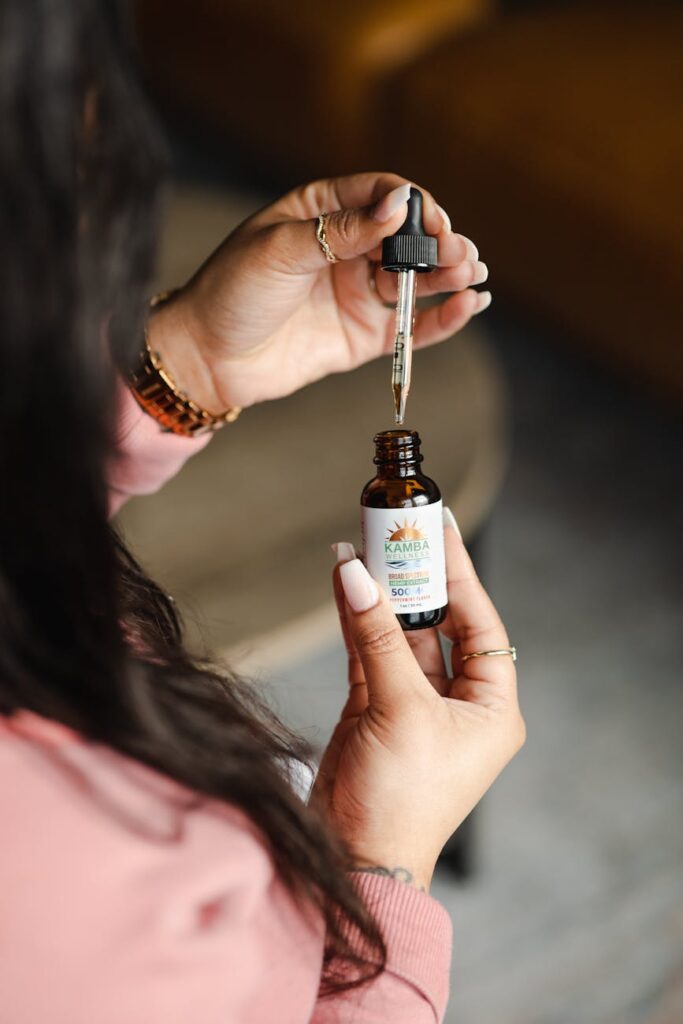
How to Use Tinctures
Introduction
Tinctures are concentrated herbal extracts made through the process of soaking plant materials in a solvent, usually alcohol or vinegar. This method captures the active constituents of the herbs, allowing for a potent and versatile form of herbal medicine. With their long shelf life and ease of use, tinctures have become a popular choice for those interested in natural health and wellness. This article will explore the fundamentals of tinctures, including their benefits, common uses, and safety considerations.
What Are Tinctures?
Tinctures are liquid extracts derived from herbs, flowers, roots, or other plant materials. The extraction process typically involves macerating the plant in a solvent, which facilitates the release of essential oils, alkaloids, flavonoids, and other beneficial compounds. The most common solvents used in tincture preparation are:
- Alcohol: High-proof spirits like vodka or grain alcohol are effective for extracting a wide range of plant constituents.
- Vinegar: Apple cider vinegar is often used for those who prefer a non-alcoholic option.
- Glycerin: Vegetable glycerin is another alternative for creating tinctures, particularly for those seeking a sweet-tasting extract.
- Digestive Support: Tinctures made from herbs like peppermint, ginger, or dandelion can aid digestion.
- Stress Relief: Adaptogenic herbs such as ashwagandha or holy basil are often made into tinctures to help manage stress and anxiety.
- Immune Boosting: Echinacea and elderberry tinctures are popular for supporting the immune system, especially during cold and flu season.
- Sleep Aids: Valerian root and passionflower tinctures are frequently used to promote relaxation and improve sleep quality.
- Skin Care: Herbal tinctures can also be applied topically. Calendula and chamomile tinctures may help soothe skin irritations.
The result is a highly concentrated liquid that retains the properties of the original plant material.
Key Benefits and Properties
Tinctures offer several advantages, making them an appealing option for herbal enthusiasts:
1. Concentration: Due to their concentrated nature, tinctures require only a small dose to achieve the desired effects.
2. Bioavailability: The alcohol or vinegar used in tinctures can improve the absorption of herbal constituents, allowing for quicker effects in the body.
3. Long Shelf Life: Tinctures can last for years when stored properly, making them convenient for long-term use.
4. Ease of Use: Tinctures can be easily added to water, tea, or taken directly, offering flexibility in consumption.
5. Versatility: A wide variety of herbs can be used to make tinctures, allowing for custom formulations tailored to individual needs.
Common Uses
Tinctures can be utilized for various purposes, thanks to the diverse range of herbs that can be extracted. Some common uses include:
Aromatherapy Applications
While tinctures are primarily known for their internal and topical applications, they can also be integrated into aromatherapy practices. Here are some ways tinctures can enhance aromatherapy:
1. Diffusion: A few drops of herbal tincture can be added to a diffuser to create an aromatic atmosphere. For example, adding a few drops of lavender tincture may promote relaxation.
2. Personal Inhalers: Tinctures can be used in personal inhalers, where a few drops are placed on a cotton wick, allowing for inhalation of the herbal properties.
3. Massage Oils: Tinctures can be blended with carrier oils to create massage oils, enhancing the therapeutic experience with the aromatic and medicinal properties of the herbs.
4. Bath Soaks: Adding tinctures to a warm bath can provide both aromatic benefits and skin-soothing properties.
Safety Considerations
Although tinctures are generally safe when used appropriately, it’s essential to consider the following factors:
1. Dosage: Due to their concentrated nature, tinctures should be taken in small amounts. It is advisable to follow the recommended dosage provided by the manufacturer or a qualified herbalist.
2. Alcohol Content: Many tinctures contain a significant amount of alcohol, which may not be suitable for everyone, including children, pregnant women, or individuals with certain health conditions.
3. Herb Interactions: Some herbs may interact with medications or have contraindications. It’s advisable to consult with a healthcare professional before starting any new herbal regimen, especially if you are taking prescribed medications.
4. Quality of Ingredients: Ensure that tinctures are sourced from reputable manufacturers that use high-quality herbs and solvents. Organic and sustainably sourced ingredients are preferred.
5. Allergies: Individuals with allergies to certain plants should approach tinctures with caution, particularly those made from the same family of plants.
Storage and Shelf Life
To maximize the potency and shelf life of tinctures, proper storage is crucial. Here are some guidelines:
1. Dark Glass Bottles: Store tinctures in dark glass bottles to protect them from light, which can degrade the herbal constituents.
2. Cool, Dark Place: Keep tinctures in a cool, dark storage area, away from direct sunlight and heat sources.
3. Seal Tightly: Ensure that the bottles are sealed tightly to prevent evaporation and contamination.
4. Shelf Life: When stored properly, tinctures can last for several years. However, it is advisable to check for any changes in color, smell, or consistency before use.
Frequently Asked Questions
1. How do I take tinctures?
Tinctures can be taken directly by placing a few drops under the tongue, mixed with water, or added to herbal teas. Always follow the recommended dosage.
2. Can I make my own tinctures at home?
Yes, making your own tinctures at home is possible. It involves selecting your desired herb, choosing a solvent, and allowing the mixture to steep for a set period. However, ensure you follow proper guidelines for safety and efficacy.
3. Are tinctures safe for children?
While some tinctures can be safe for children, it is essential to consult with a healthcare professional or qualified herbalist for appropriate dosages and suitable herbs.
4. Can tinctures expire?
Tinctures do not technically expire in the same way perishable products do, but they can lose potency over time. Always check for changes in appearance or smell.
5. Are there non-alcoholic tinctures available?
Yes, tinctures made with vinegar or glycerin are available for those who wish to avoid alcohol.
Conclusion
Tinctures are a potent and versatile form of herbal medicine, offering a concentrated way to harness the benefits of various plants. Their ease of use, long shelf life, and potential applications in both internal and topical wellness make them a valuable addition to any herbalist’s repertoire. By understanding how to use tinctures responsibly and effectively, individuals can explore the rich world of herbal remedies and enhance their overall well-being. Always prioritize quality, dosage, and safety when incorporating tinctures into your health practices.