
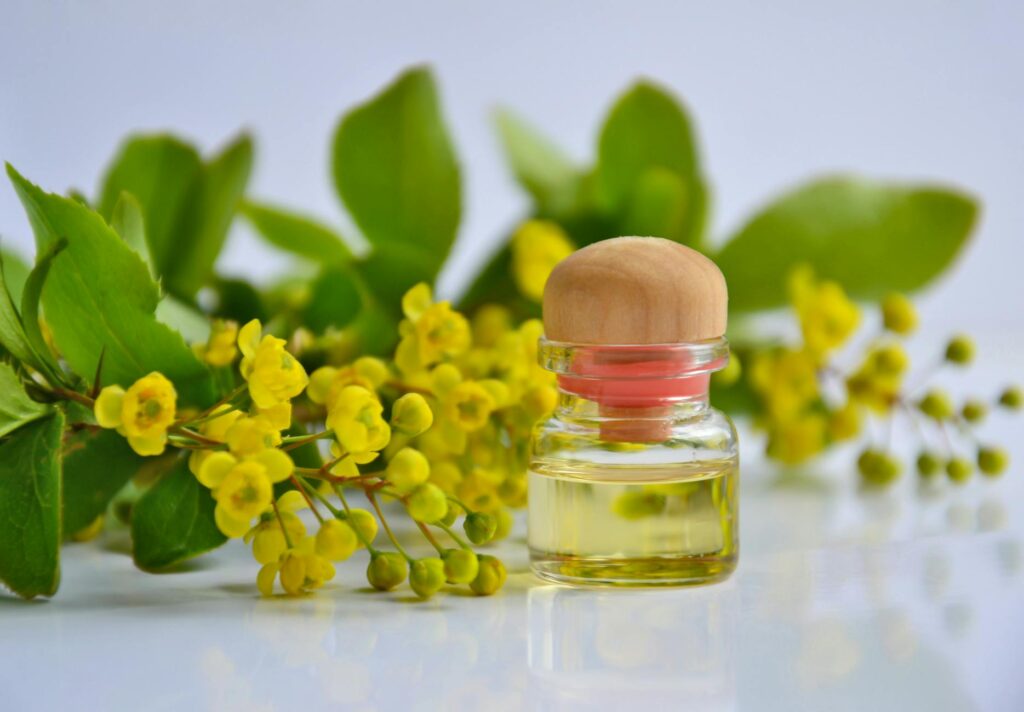
How to Use Walnut Oil
Introduction
Walnut oil, derived from the nuts of the walnut tree (Juglans regia), is a versatile oil celebrated for its culinary, cosmetic, and therapeutic properties. With a rich, nutty flavor and an array of beneficial compounds, walnut oil has garnered attention in various fields, including cooking, skincare, and aromatherapy. This article delves into the characteristics, benefits, and applications of walnut oil, providing a comprehensive overview for those interested in incorporating this oil into their daily routines.
What Is Walnut Oil?
Walnut oil is extracted from the seeds of the walnut tree, primarily through cold-pressing, which preserves the oil’s natural flavor, aroma, and nutrients. It is characterized by its rich golden-brown color and distinctive nutty scent. There are two main types of walnut oil: refined and unrefined. Refined walnut oil has a lighter flavor and higher smoke point, making it suitable for cooking, while unrefined walnut oil retains its robust flavor and is often used in dressings, dips, and skincare products.
Key Benefits and Properties
Walnut oil is lauded for its rich composition, which includes:
- Fatty Acids: Walnut oil is high in polyunsaturated fatty acids, especially omega-3 and omega-6 fatty acids, which are essential for maintaining overall health.
- Antioxidants: The oil contains antioxidants like vitamin E, which help protect the body from oxidative stress and may contribute to skin health.
- Anti-inflammatory Properties: Some studies suggest that walnut oil may have anti-inflammatory effects, which can be beneficial in various applications.
- Nutritional Value: Walnut oil is also a source of protein, fiber, and important minerals such as magnesium and phosphorus.
- Salad Dressings: Its distinctive nutty flavor makes walnut oil an excellent base for salad dressings, often paired with vinegar or citrus juices.
- Drizzling: It can be drizzled over cooked vegetables, pasta, or grains to enhance flavor.
- Marinades: Walnut oil can be used in marinades for meats, tofu, or vegetables, adding depth to the dish.
- Baking: While it has a lower smoke point than some oils, it can still be used in baking for added flavor.
- Moisturizer: It can be applied directly to the skin or mixed with other carrier oils to provide hydration.
- Massage Oil: When diluted with essential oils, walnut oil serves as an excellent carrier for massage blends.
- Hair Care: Walnut oil can be used as a hair treatment to add shine and moisture, particularly for dry or damaged hair.
- Dilution of Essential Oils: Walnut oil can be used to dilute essential oils for topical application. This is especially important for individuals with sensitive skin, as it helps to mitigate potential irritation.
- Massage Blends: Mixing walnut oil with essential oils can create a soothing massage blend. Popular essential oils to combine with walnut oil include lavender for relaxation or peppermint for invigorating effects.
- Diffuser Blends: While walnut oil is not suitable for use in a diffuser, it can be used in oil blends for topical applications post-diffusion, allowing users to experience the aromatic benefits of the essential oils alongside the nourishing properties of walnut oil.
- Allergies: Individuals with nut allergies should avoid walnut oil, as it may trigger allergic reactions.
- Skin Sensitivity: While walnut oil is generally safe for most skin types, it is advisable to perform a patch test before widespread application to ensure no adverse reactions occur.
- Quality of Oil: Ensure that walnut oil is sourced from reputable suppliers. Look for organic and cold-pressed varieties to guarantee the highest quality.
- Storage Conditions: Walnut oil should be stored in a cool, dark place, away from direct sunlight and heat. This helps prevent rancidity and preserves its flavor and nutritional properties.
- Container: Ideally, walnut oil should be kept in a dark glass bottle to protect it from light exposure.
- Shelf Life: Unrefined walnut oil typically has a shelf life of 6 to 12 months, while refined versions may last longer. Always check for signs of rancidity, such as off smells or changes in color, before use.
These properties contribute to walnut oil’s versatility in various applications, from culinary uses to skincare.
Common Uses
Culinary Applications
In the kitchen, walnut oil is prized for its rich flavor and is often used in the following ways:
Cosmetic Uses
In the realm of skincare, walnut oil is appreciated for its moisturizing properties:
Aromatherapy Applications
While walnut oil is not an essential oil, it can be utilized in aromatherapy as a carrier oil due to its beneficial properties. Here’s how it can be effectively integrated into aromatherapy practices:
Safety Considerations
As with any oil, it is essential to consider safety when using walnut oil:
Storage and Shelf Life
To maximize the shelf life and quality of walnut oil, proper storage is essential:
Frequently Asked Questions
1. Can I use walnut oil in cooking?
Yes, walnut oil can be used in cooking, particularly in salad dressings, marinades, and as a finishing oil. However, it has a lower smoke point than some oils, so it is not recommended for high-heat cooking methods like frying.
2. Is walnut oil safe for all skin types?
While many people can use walnut oil safely, those with nut allergies or sensitive skin should exercise caution and perform a patch test before using it widely.
3. How should I incorporate walnut oil into my skincare routine?
Walnut oil can be used as a moisturizer or mixed with other carrier oils for massages. It can also be added to homemade skincare products, such as body scrubs or facial oils.
4. What is the difference between refined and unrefined walnut oil?
Refined walnut oil has a lighter flavor and higher smoke point, making it suitable for cooking. Unrefined walnut oil retains a robust nutty flavor and is often used in dressings and skincare products.
5. Can walnut oil be mixed with essential oils?
Yes, walnut oil can be used as a carrier oil to dilute essential oils for topical applications, providing a moisturizing base that enhances the aromatic experience.
Conclusion
Walnut oil is a multifaceted oil with a rich history of culinary and therapeutic use. Its unique flavor, nutritional profile, and skin-nourishing properties make it a valuable addition to both the kitchen and the skincare cabinet. By understanding its benefits, uses, and safety considerations, individuals can effectively incorporate walnut oil into their daily routines, enhancing both their culinary experiences and personal care practices.