
How to Use Wintergreen Oil Safely
Introduction
Wintergreen oil, derived from the leaves of the Gaultheria procumbens plant, has been a staple in aromatherapy and herbal practices for centuries. With its distinct minty scent and numerous applications, it is important to understand not only its benefits but also how to use it safely. This article explores the properties, common uses, and essential safety considerations associated with wintergreen oil.
What Is Wintergreen Oil Safety?
Wintergreen oil is composed primarily of methyl salicylate, a compound that contributes to its characteristic aroma and therapeutic benefits. However, due to its potency, understanding wintergreen oil safety is crucial for anyone looking to incorporate it into their wellness routine.
The safety of wintergreen oil encompasses proper usage, potential side effects, and contraindications. By being informed, users can enjoy the benefits of this essential oil while minimizing risks.
Key Benefits and Properties
Wintergreen oil is renowned for its various properties, making it a popular choice in both aromatherapy and topical applications. Some of its key benefits include:
1. Anti-inflammatory: Wintergreen oil has properties that may help reduce inflammation, making it a common ingredient in muscle and joint rubs.
2. Analgesic: The oil is often used for its pain-relieving qualities, particularly for sore muscles and minor aches.
3. Antiseptic: With its antibacterial properties, wintergreen oil can be used in topical applications to help cleanse and protect minor cuts and scrapes.
4. Respiratory aid: The oil’s menthol-like aroma can help in alleviating congestion and promoting clearer breathing.
5. Mood enhancer: In aromatherapy, wintergreen oil may be used to uplift mood and enhance emotional well-being.
Common Uses
Wintergreen oil finds its place in various applications, including:
- Topical use: Often diluted in carrier oils for massages, creams, and balms.
- Aromatherapy: Used in diffusers or inhalers for its uplifting scent.
- Household products: Incorporated into natural cleaning solutions for its antibacterial properties.
- Personal care: Found in some dental products and cosmetics for its flavor and scent.
- Diffusion: When diffused, wintergreen oil can create a calming and invigorating atmosphere, promoting relaxation and mental clarity.
- Inhalation: Using a few drops in hot water for steam inhalation can help ease respiratory discomfort.
- Massage: When combined with a carrier oil, wintergreen can be used in massages to relieve muscle tension and soreness.
Aromatherapy Applications
In aromatherapy, wintergreen oil serves multiple purposes:
It is advisable to blend wintergreen oil with other essential oils, such as lavender or peppermint, to create a more balanced aromatic experience.
Safety Considerations
While wintergreen oil has many benefits, safety is paramount. Here are several important considerations:
Dilution
Due to its high concentration of methyl salicylate, wintergreen oil should always be diluted before topical application. A typical dilution ratio is 1-2% essential oil to carrier oil. This translates to about 6-12 drops of wintergreen oil per ounce of carrier oil.
Skin Sensitivity
Conduct a patch test on a small area of skin to check for allergic reactions or sensitivities. If irritation occurs, discontinue use immediately.
Ingestion
Wintergreen oil should not be ingested. Methyl salicylate can be toxic when consumed in large amounts and can lead to serious health issues.
Pregnant and Nursing Women
Pregnant or nursing women should avoid using wintergreen oil, as its effects on fetal development and nursing infants are not well understood.
Children and Pets
Wintergreen oil is not recommended for children under the age of two. Additionally, caution should be exercised when using it around pets, as it can be toxic to some animals.
Medical Conditions
Individuals with certain medical conditions, particularly those related to the liver or kidneys, should consult a healthcare professional before using wintergreen oil. Additionally, those on blood-thinning medications should be cautious, as the oil may intensify their effects.
Storage and Shelf Life
Proper storage of wintergreen oil is essential to maintain its efficacy and safety. It should be kept in a cool, dark place, away from direct sunlight and heat sources.
Container
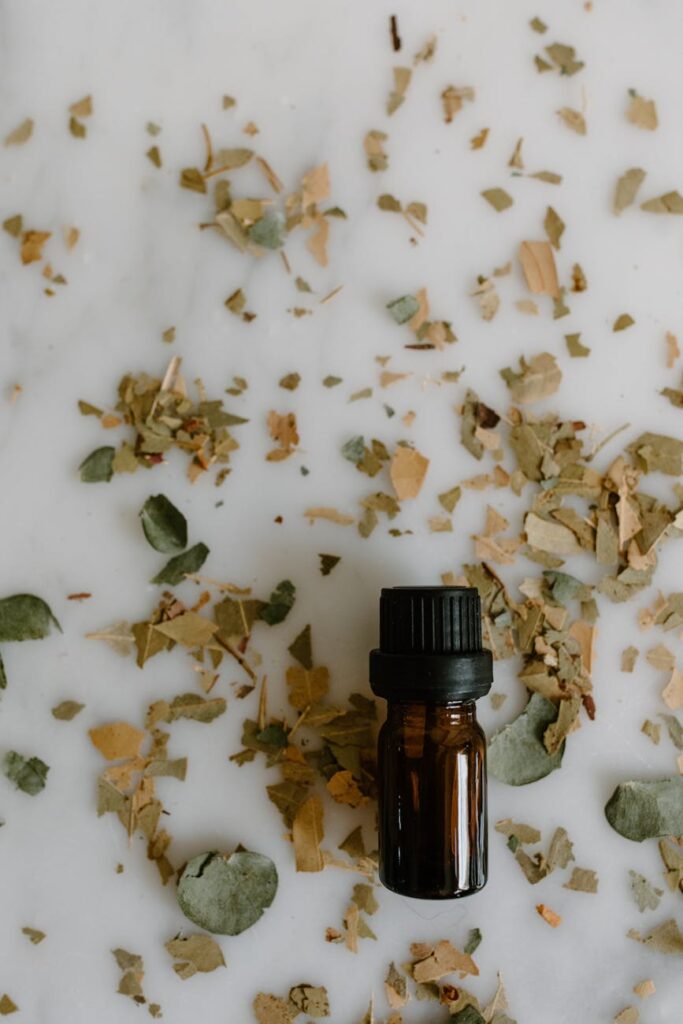
Wintergreen oil should be stored in a tightly sealed glass container, preferably amber or cobalt blue, to protect it from light exposure.
Shelf Life
Typically, the shelf life of wintergreen oil is about 2-3 years when stored correctly. However, always check for changes in color, odor, or consistency before use, as these may indicate that the oil has deteriorated.
Frequently Asked Questions
1. Can wintergreen oil be used in a diffuser?
Yes, wintergreen oil can be used in a diffuser. However, it is best combined with other essential oils to create a more balanced scent profile.
2. Is wintergreen oil safe for topical use?
When diluted appropriately with a carrier oil, wintergreen oil is generally safe for topical use. Always conduct a patch test before full application.
3. Can wintergreen oil be used for muscle pain?
Wintergreen oil is often used in massage oils for muscle pain relief due to its analgesic properties. Ensure it is diluted with a carrier oil before application.
4. Are there any contraindications?
Yes, pregnant or nursing women, children under two, and individuals with certain medical conditions should avoid using wintergreen oil. Always consult a healthcare professional if unsure.
5. How can I incorporate wintergreen oil into my routine?
Wintergreen oil can be incorporated through diffusion, topical application (when diluted), or as an ingredient in homemade cleaning products. Always prioritize safety and proper usage.
Conclusion
Wintergreen oil offers a wealth of benefits and applications, from pain relief to mood enhancement. However, it is imperative to prioritize safety when using this potent essential oil. By understanding its properties, common uses, and safety considerations, users can effectively and safely incorporate wintergreen oil into their wellness routines. Always remember to consult with a professional for personalized advice and guidance on essential oil use.