
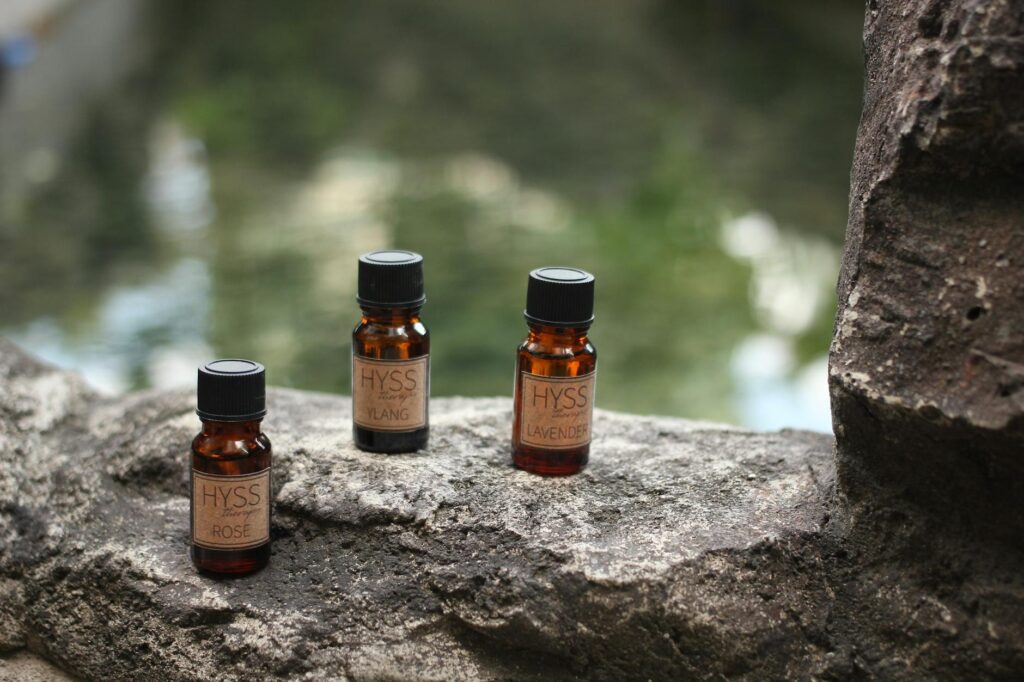
How to Use Ylang Ylang Oil Safely
Introduction
Ylang ylang oil, derived from the flowers of the Cananga odorata tree, is a popular essential oil known for its sweet, floral aroma. It has been used for centuries in traditional medicine, perfumes, and cosmetics. However, as with any essential oil, it is crucial to understand how to use ylang ylang oil safely to maximize its benefits while minimizing any potential risks. This article will guide you through the safety considerations, applications, and storage of ylang ylang oil.
What Is Ylang Ylang Oil Safety?
Ylang ylang oil safety refers to the practices and precautions necessary to ensure the safe use of this essential oil. Essential oils are highly concentrated plant extracts, and ylang ylang is no exception. While it offers numerous benefits, improper use can lead to adverse reactions. Understanding how to dilute, apply, and store ylang ylang oil properly is essential for safe use.
Key Benefits and Properties
Ylang ylang oil is celebrated for its various potential benefits, thanks to its unique composition of chemical constituents. Some of its notable properties include:
- Antidepressant: The oil is known for its uplifting and mood-enhancing properties, potentially helping to alleviate feelings of anxiety and depression.
- Antiseptic: Ylang ylang may possess properties that help protect against infections when applied topically.
- Anti-inflammatory: It has been suggested that the oil can help reduce inflammation and soothe irritated skin.
- Aphrodisiac: Traditionally, ylang ylang is considered to enhance romantic and sexual experiences, making it a popular choice in perfumes and romantic blends.
- Aromatherapy: Often used in diffusers, the oil can help create a calming atmosphere.
- Topical Application: When diluted, ylang ylang oil can be applied to the skin for its potential therapeutic benefits.
- Hair Care: The oil is frequently included in hair products for its nourishing properties, promoting shine and softness.
- Perfume: Due to its rich scent, ylang ylang is a common ingredient in many fragrances.
- Dilution: Always dilute ylang ylang oil with a carrier oil (such as jojoba, coconut, or almond oil) before applying it to the skin. A common dilution ratio is 2-3% concentration (about 12-18 drops of essential oil per ounce of carrier oil).
- Patch Test: Prior to widespread use, conduct a patch test by applying a diluted drop of the oil to a small area of skin. Wait 24 hours to check for any adverse reactions.
- Keep in a Cool, Dark Place: Store ylang ylang oil in a dark glass bottle to protect it from light and heat, which can degrade the oil over time.
- Seal Tightly: Ensure the bottle is tightly sealed to prevent oxidation. Exposure to air can alter the oil’s chemical composition.
- Shelf Life: Ylang ylang oil typically has a shelf life of 3 to 5 years when stored properly. However, always check for any changes in color, scent, or consistency before use.
Common Uses
Ylang ylang oil can be utilized in various ways, including:
Aromatherapy Applications
In aromatherapy, ylang ylang oil is often used to promote relaxation and emotional well-being. Here are some common methods of application:
1. Diffusion: Add a few drops of ylang ylang oil to a diffuser filled with water. This method disperses the oil into the air, allowing for easy inhalation.
2. Inhalation: Place a drop or two of ylang ylang oil on a tissue or cotton ball and inhale the scent directly. This can provide quick access to its mood-enhancing properties.
3. Massage: When diluted with a carrier oil, ylang ylang can be used for massage. The physical touch combined with the aromatic qualities can enhance relaxation.
4. Bath: Adding ylang ylang oil to a warm bath can create a soothing experience. Always mix the oil with a dispersant like milk or a carrier oil to avoid skin irritation.
Safety Considerations
While ylang ylang oil is generally regarded as safe for use, several safety considerations should be kept in mind:
Skin Sensitivity
Respiratory Sensitivity
Some individuals may experience respiratory discomfort when inhaling essential oils. If you have asthma or other respiratory conditions, consult a healthcare professional before using ylang ylang oil in a diffuser or for inhalation.
Pregnancy and Nursing
Though ylang ylang oil is popular amongst users, pregnant and breastfeeding individuals should exercise caution. Essential oils can have potent effects on the body, and it is advisable to consult with a healthcare provider before use.
Children and Pets
Keep ylang ylang oil out of reach of children and pets. Essential oils can be powerful substances, and smaller bodies may react differently. Always consult a veterinarian before using essential oils around pets.
Storage and Shelf Life
Proper storage of ylang ylang oil is essential to maintain its efficacy and safety. Follow these guidelines for optimal storage:
Frequently Asked Questions
Can ylang ylang oil be ingested?
Ingesting ylang ylang oil is not recommended unless under the supervision of a qualified healthcare professional. Essential oils are highly concentrated and may cause adverse effects when consumed.
What should I do if I experience an adverse reaction?
If you experience any allergic reactions, such as rash, redness, or difficulty breathing after using ylang ylang oil, discontinue use immediately and seek medical attention if symptoms persist.
Is ylang ylang oil safe for daily use?
While ylang ylang oil can be beneficial, it is advisable to use it in moderation. Overuse may lead to headaches or nausea in some individuals. Incorporate it slowly into your routine and pay attention to how your body responds.
Can ylang ylang oil interact with medications?
As with many essential oils, ylang ylang may interact with certain medications. Consult with a healthcare provider if you are taking medications or have underlying health conditions.
How can I tell if I have purchased high-quality ylang ylang oil?
Opt for reputable brands that provide information on the oil’s purity and extraction methods. Look for oils labeled as “100% pure essential oil” and check for any certifications or quality testing.
Conclusion
Ylang ylang oil is a captivating essential oil with a rich heritage and a variety of applications. Understanding how to use it safely will enhance your experience and allow you to enjoy its benefits fully. By adhering to safety guidelines, practicing proper storage, and being mindful of individual sensitivities, you can safely incorporate ylang ylang oil into your daily routine. Whether used in aromatherapy, skincare, or hair care, this oil can offer a delightful sensory experience while promoting a sense of well-being.