
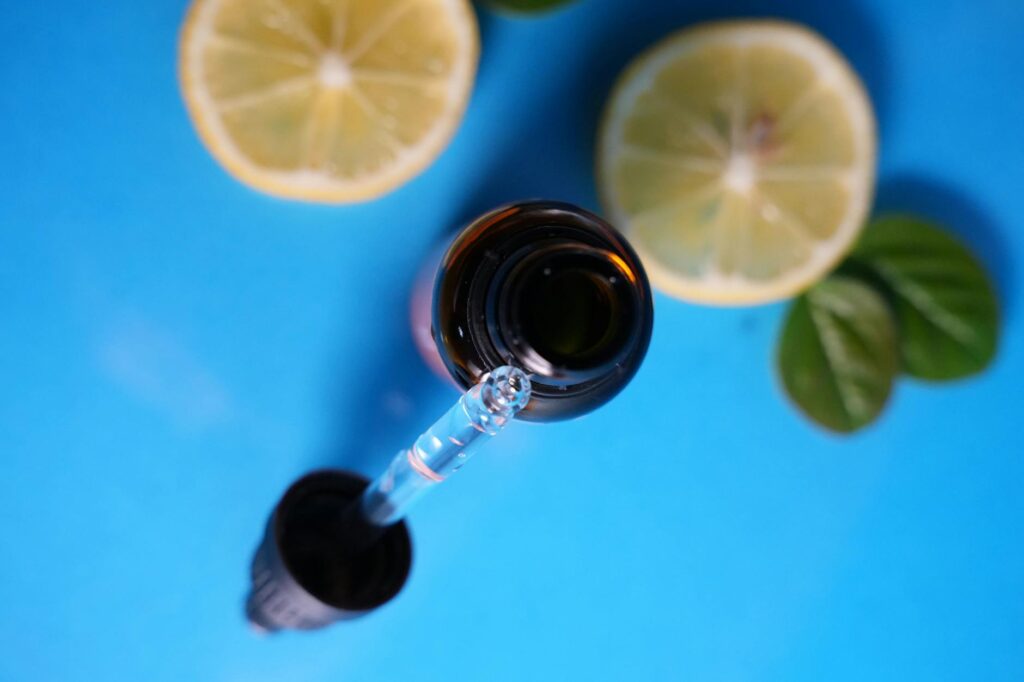
How Uplifting Citrus Blends Are Used in Aromatherapy
Introduction
Aromatherapy is a holistic practice that utilizes essential oils derived from plants to enhance physical, emotional, and mental well-being. Among the myriad of aromas available, citrus essential oils have gained popularity for their uplifting and invigorating properties. This article delves into uplifting citrus blends, exploring their characteristics, benefits, common applications, and safety considerations in the realm of aromatherapy.
What Is Uplifting Citrus Blends?
Uplifting citrus blends are compositions of essential oils extracted from citrus fruits, such as oranges, lemons, limes, and grapefruits. These oils are known for their bright, refreshing, and energizing scents. Citrus essential oils can be used individually or combined to create blends that enhance their therapeutic effects. The aromatic compounds in citrus oils, primarily limonene, contribute to their distinctive fragrances and uplifting qualities.
Common citrus essential oils include:
- Sweet Orange (Citrus sinensis): Known for its cheerful aroma, it promotes feelings of happiness and warmth.
- Lemon (Citrus limon): Renowned for its clean and zesty scent, lemon oil is invigorating and refreshing.
- Grapefruit (Citrus paradisi): With its slightly bitter, sweet aroma, grapefruit oil is believed to help with motivation and energy.
- Bergamot (Citrus bergamia): This oil carries a complex scent with floral and citrus notes, often used to soothe anxiety.
- Lime (Citrus aurantiifolia): Lime oil is sharp and lively, promoting clarity and alertness.
These oils are often blended to create synergistic effects, enhancing their individual benefits.
Key Benefits and Properties
Uplifting citrus blends possess various properties that contribute to their appeal in aromatherapy. Some of the key benefits include:
1. Mood Enhancement
Citrus oils are widely recognized for their ability to uplift mood. The refreshing scents can trigger the release of serotonin, which may help alleviate feelings of stress and anxiety. Users often report enhanced feelings of happiness and positivity when using citrus blends.
2. Invigoration
The invigorating nature of citrus essential oils can help improve energy levels and mental clarity. This makes them ideal for use during fatigue or when a boost of motivation is needed.
3. Antimicrobial Properties
Many citrus oils exhibit antimicrobial properties, making them useful for purifying the air. They can help eliminate airborne bacteria and viruses, contributing to a cleaner environment.
4. Emotional Balance
Citrus oils are often employed to support emotional balance. The soothing aspects of certain blends can provide a sense of calm, helping to mitigate feelings of agitation or overwhelm.
Common Uses
Uplifting citrus blends have a variety of applications in daily life, making them versatile tools in aromatherapy. Some common uses include:
1. Diffusion
One of the most popular methods of using citrus blends is through diffusion. Adding a few drops of citrus oils to a diffuser can create an uplifting atmosphere, ideal for workspaces, living rooms, or yoga studios.
2. Massage
Citrus oils can be diluted in carrier oils for use in massage therapy. Their invigorating properties can help relax muscles while promoting a sense of well-being.
3. Bathing
Incorporating uplifting citrus blends into baths can create a relaxing and rejuvenating experience. A few drops mixed with bath salts or combined with a carrier oil can transform a regular bath into an aromatherapeutic experience.
4. Household Cleaning
Due to their antimicrobial properties and refreshing scent, citrus oils are often used in natural cleaning products. They can effectively eliminate odors and provide a pleasant scent to cleaning routines.
5. Personal Care Products
Citrus blends can be included in homemade lotions, creams, and scrubs, leveraging their uplifting aroma and skin-friendly properties.
Aromatherapy Applications
Citrus blends can be utilized in various aromatherapy applications, each tailored to suit different preferences and situations. Here are some popular methods:
1. Inhalation
Simply inhaling the scent of citrus oils directly from the bottle or from a cotton ball can provide a quick mood boost. This method is convenient and can be used anytime a lift is needed.
2. Topical Application
When diluted with a carrier oil, citrus blends can be applied to pulse points, such as wrists or temples. This method allows for the aroma to be experienced continuously throughout the day.
3. Aromatherapy Roll-Ons
Pre-made roll-on blends are available for those who prefer a portable solution. These can be easily applied to the skin for on-the-go aromatherapy.
4. Room Sprays
Creating a room spray with citrus blends can refresh indoor spaces. Combine essential oils with water and a small amount of alcohol or a dispersant in a spray bottle for a natural air freshener.
Safety Considerations
While citrus essential oils are generally regarded as safe when used appropriately, there are important safety considerations to keep in mind:
1. Skin Sensitivity
Citrus oils can increase photosensitivity, making the skin more susceptible to sunburn when exposed to sunlight after application. It is advisable to avoid direct sunlight for a minimum of 12 hours after using these oils on the skin.
2. Dilution
Always dilute citrus essential oils before applying them topically. A general guideline is to use a 2-5% dilution rate, depending on the specific oil and individual sensitivity.
3. Quality of Oils
Choosing high-quality, pure essential oils from reputable sources is critical. Synthetic fragrances or adulterated oils may not provide the desired benefits and could pose risks.
4. Pregnancy and Nursing
While many people use citrus blends during pregnancy or nursing, it is advisable to consult with a healthcare professional to ensure safety.
Storage and Shelf Life
Proper storage of citrus essential oils is essential for maintaining their potency and effectiveness. Here are some guidelines:
1. Dark Glass Containers
Citrus oils should be stored in dark glass containers to protect them from light, which can degrade their quality over time.
2. Cool, Dry Place
Storing oils in a cool, dry place away from heat sources and humidity will prolong their shelf life. Avoid storing them in direct sunlight or near radiators.
3. Shelf Life
Most citrus essential oils have a shelf life of 1-2 years, although some may last longer. Regularly check for any changes in aroma or consistency, which may indicate that the oil has expired.
Frequently Asked Questions
1. Can I mix different citrus oils together?
Yes, mixing different citrus oils can create unique and uplifting blends. Experimenting with combinations may yield delightful results.
2. Are citrus essential oils safe for children?
Citrus oils can be used with children, but they should be diluted appropriately and used with caution. Always consult with a healthcare professional for guidance.
3. How can I use citrus oils in a diffuser?
Add 3-6 drops of your chosen citrus oil or blend to the water in your diffuser, following the manufacturer’s instructions. Adjust the number of drops based on your preference for scent strength.
4. Can I use citrus oils in cooking?
Some citrus essential oils are food-grade and can be used in cooking; however, not all essential oils are safe for ingestion. Always verify the purity and safety of the oil before using it in food.
5. How can I incorporate citrus blends into my daily routine?
Consider using citrus blends in your morning routine, such as diffusing them during breakfast, adding them to your skincare regimen, or enjoying them in a relaxing bath at the end of the day.
Conclusion
Uplifting citrus blends serve as valuable allies in the practice of aromatherapy, offering a range of benefits that enhance emotional and mental well-being. Their invigorating scents and versatile applications make them accessible tools for anyone seeking to incorporate natural aromas into their everyday life. By understanding their properties, uses, and safety considerations, individuals can fully embrace the uplifting potential of citrus blends in their aromatherapy practices.