
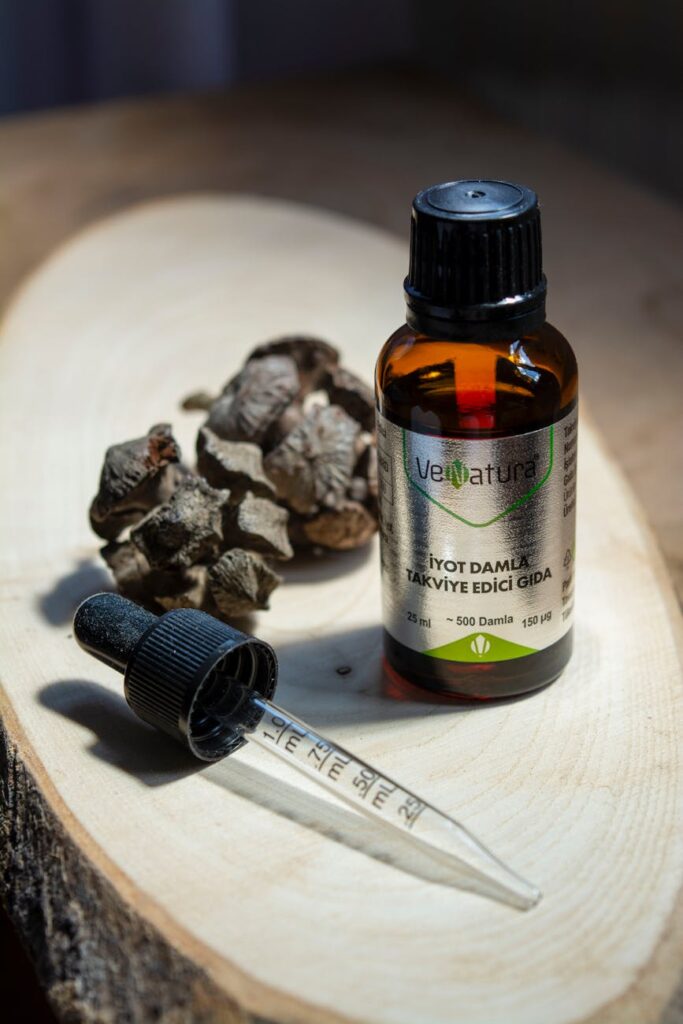
How Walnut Oil Is Used in Aromatherapy
Introduction
The world of aromatherapy utilizes various essential oils and carrier oils to promote well-being and enhance the sensory experience. One such oil that has garnered attention for its numerous benefits is walnut oil. Extracted from the nuts of the walnut tree, this oil is not only valued in culinary applications but also plays a significant role in aromatherapy. This article explores the characteristics, benefits, applications, and safety considerations associated with walnut oil in the realm of aromatherapy.
What Is Walnut Oil?
Walnut oil is a carrier oil derived from the seeds of the walnut tree, specifically from the species Juglans regia. The oil is typically cold-pressed to preserve its nutritional properties and rich flavor. Known for its amber hue and nutty aroma, walnut oil is praised for its high content of polyunsaturated fatty acids, antioxidants, and essential nutrients, making it a valuable addition to both culinary and therapeutic practices.
Key Benefits and Properties
Walnut oil possesses a variety of beneficial properties that make it suitable for use in aromatherapy:
1. Nutrient-Rich Composition: Walnut oil is rich in omega-3 and omega-6 fatty acids, which are essential for maintaining healthy skin and overall wellness.
2. Antioxidant Properties: The oil contains antioxidants such as vitamin E, which help combat oxidative stress and support skin health.
3. Moisturizing Qualities: Walnut oil is known for its emollient properties, making it an excellent moisturizer for the skin.
4. Anti-Inflammatory Effects: The presence of certain compounds in walnut oil may help reduce inflammation, contributing to a soothing experience during aromatherapy sessions.
5. Mental Clarity and Relaxation: The aroma of walnut oil is often associated with feelings of warmth and comfort, potentially aiding in mental clarity and relaxation.
Common Uses
Walnut oil is versatile and can be used in various applications, including:
- Culinary Uses: Often used in salad dressings, marinades, and as a finishing oil to enhance flavors.
- Cosmetic Applications: Commonly incorporated into skincare products due to its moisturizing and nourishing properties.
- Massage Oil: Frequently used as a base for massage blends because of its smooth texture and ability to absorb into the skin.
Aromatherapy Applications
In the context of aromatherapy, walnut oil serves as an excellent carrier oil, which allows for the safe application of essential oils. Here are some common applications:
1. Massage Blends: Walnut oil can be blended with essential oils to create soothing massage oils. Its texture allows for smooth application, while its moisturizing properties nourish the skin.
2. Diffusion: While walnut oil is not typically diffused on its own, it can be blended with essential oils in a diffuser for a more holistic aromatic experience.
3. Bath Oils: Adding walnut oil to baths can enhance relaxation. When combined with essential oils such as lavender or chamomile, it can create a calming atmosphere.
4. Skin Care: Walnut oil can be used to dilute essential oils for topical application. It is particularly effective for dry or sensitive skin, offering hydration and nourishment.
5. Inhalation: While not commonly used for inhalation, walnut oil can be mixed with essential oils and inhaled to promote relaxation and reduce stress.
Safety Considerations
While walnut oil is generally considered safe for topical use, there are important safety considerations to keep in mind:
1. Allergies: Individuals with nut allergies should exercise caution when using walnut oil, as it may provoke allergic reactions.
2. Skin Sensitivity: Conduct a patch test before using walnut oil to ensure no adverse reactions occur. Apply a small amount to a discreet area of skin and observe for any irritation over 24 hours.
3. Dilution: When blending walnut oil with essential oils, it is essential to follow recommended dilution guidelines to avoid skin irritation.
4. Pregnancy and Nursing: Pregnant or nursing individuals should consult with a qualified practitioner before using walnut oil or any essential oils.
5. Interaction with Medications: If you are on medication or have underlying health conditions, consult with a healthcare professional before incorporating walnut oil into your aromatherapy routine.
Storage and Shelf Life
Proper storage of walnut oil is crucial for maintaining its quality and longevity:
1. Container: Store walnut oil in a dark glass bottle to protect it from light exposure, which can lead to oxidation.
2. Temperature: Keep the oil in a cool, dark place, away from heat sources. High temperatures can degrade its quality.
3. Shelf Life: Walnut oil typically has a shelf life of about 6 to 12 months when stored properly. It is advisable to check for any off odors or changes in appearance before use.
Frequently Asked Questions
1. Can walnut oil be used on all skin types?
Walnut oil is generally suitable for most skin types due to its moisturizing properties. However, those with nut allergies or very oily skin should exercise caution.
2. What essential oils blend well with walnut oil?
Walnut oil can be blended with a variety of essential oils. Some popular options include lavender, chamomile, frankincense, and bergamot for a calming and soothing experience.
3. Is walnut oil safe for ingestion?
While walnut oil is safe for culinary use, it is essential to use high-quality, food-grade walnut oil. Consult with a healthcare professional if you have concerns about consumption.
4. How can I incorporate walnut oil into my daily routine?
You can incorporate walnut oil into your routine by using it as a massage oil, adding it to your skincare products, or using it in aromatherapy blends.
5. What should I do if I experience an allergic reaction to walnut oil?
If you experience any adverse reactions such as itching, redness, or swelling after using walnut oil, discontinue use immediately and consult a healthcare professional.
Conclusion
Walnut oil is a versatile and nourishing oil that finds a significant place in the world of aromatherapy. With its rich nutrient profile and beneficial properties, it enhances various applications, from massage blends to skincare. However, it is crucial to consider safety precautions, especially for those with allergies or skin sensitivities. By understanding how to use walnut oil effectively, individuals can enjoy its numerous benefits and enhance their overall aromatherapy experience.