
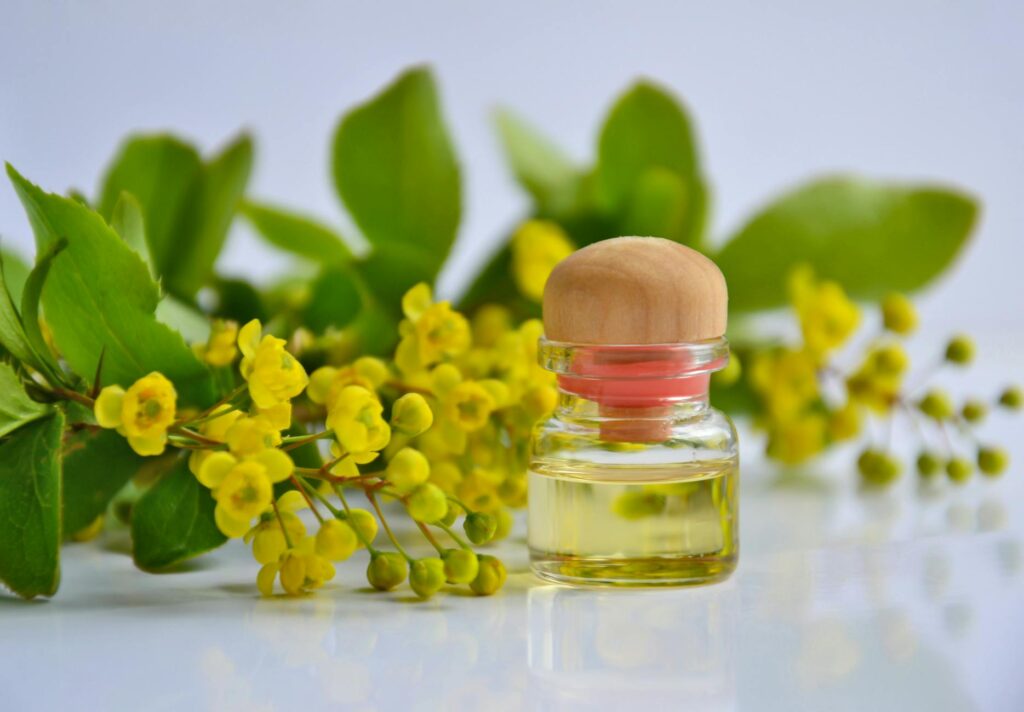
Is Aquatic Plants Safe? Uses, Benefits and Precautions
Introduction
Aquatic plants, also known as hydrophytes or macrophytes, play an essential role in the ecosystem, providing habitat, food, and oxygen for a variety of organisms. These plants thrive in water-saturated environments, such as lakes, rivers, ponds, and wetlands. In recent years, there has been growing interest in the uses and benefits of aquatic plants beyond their ecological functions, particularly in the realms of aromatherapy and natural wellness. This article explores the characteristics of aquatic plants, their benefits, common uses, and safety considerations.
What Is Aquatic Plants?
Aquatic plants encompass a diverse range of species that are adapted to living in water or in saturated soil conditions. They can be categorized into several types based on their growth forms:
1. Floating Plants: These plants float on the water’s surface and may have roots that dangle in the water. Examples include water lilies and duckweed.
2. Submerged Plants: These plants grow entirely underwater and are often foundational in aquatic ecosystems. Examples include eelgrass and hornwort.
3. Emergent Plants: These plants grow in shallow water with their roots submerged but their stems and leaves above the water surface. Cattails and reeds are common examples.
Aquatic plants are pivotal in maintaining water quality, providing shelter for aquatic life, and contributing to nutrient cycling within their habitats. Their unique adaptations allow them to thrive in challenging conditions, making them an intriguing subject of study and utilization.
Key Benefits and Properties
Aquatic plants offer several benefits, both ecologically and in terms of human use:
1. Oxygen Production: Through the process of photosynthesis, aquatic plants release oxygen into the water, supporting aquatic life and improving water quality.
2. Nutrient Filtration: These plants can absorb excess nutrients and pollutants from the water, which helps to mitigate issues such as algal blooms and eutrophication.
3. Habitat Creation: Aquatic plants provide critical habitats for a variety of organisms, including fish, invertebrates, and amphibians, contributing to biodiversity.
4. Medicinal Properties: Some aquatic plants have been used in traditional medicine for their purported health benefits, although scientific validation is still ongoing.
5. Aesthetic and Recreational Value: Aquatic plants enhance the beauty of lakes and ponds, making them popular in landscaping and gardening. They also provide opportunities for recreational activities such as fishing and birdwatching.
Common Uses
Aquatic plants are utilized in various ways, both in natural ecosystems and by humans:
1. Ornamental Uses: Many aquatic plants are cultivated for ornamental purposes in water gardens, ponds, and aquariums. Their vibrant flowers and lush foliage add beauty to landscapes.
2. Food Source: Certain aquatic plants, such as water chestnuts and lotus roots, are harvested for consumption. These plants are rich in nutrients and are used in various culinary traditions.
3. Biofuel Production: Some aquatic plants, particularly algae, are being explored for their potential as a renewable biofuel source due to their rapid growth rate and high biomass yield.
4. Aquaculture: Aquatic plants are often incorporated into aquaculture systems to enhance water quality and provide habitat for fish.
5. Natural Filtration: Aquatic plants are used in constructed wetlands and natural water treatment systems to filter pollutants and improve water quality.
Aromatherapy Applications
The use of aquatic plants in aromatherapy is gaining traction, particularly with the extraction of essential oils and hydrosols. Some notable aquatic plants and their uses in aromatherapy include:
1. Water Lily (Nymphaea): Known for its calming scent, water lily essential oil is often used in meditation and relaxation practices. It is believed to promote tranquility and emotional balance.
2. Lotus (Nelumbo): The lotus flower is revered in various cultures for its beauty and symbolism. Its essential oil is used in aromatherapy to evoke feelings of peace and mindfulness.
3. Blue Lotus (Nymphaea caerulea): This plant is celebrated for its psychoactive properties and is often used to enhance relaxation and spiritual experiences.
4. Kelp (Laminaria): While primarily known for its nutritional benefits, kelp is also used in bath products and skincare due to its rejuvenating properties.
5. Algae: Certain types of algae are used in aromatherapy products for their detoxifying and skin-nourishing properties.
The application of these aquatic plants in aromatherapy can contribute to emotional well-being and relaxation, making them valuable additions to holistic practices.
Safety Considerations
While aquatic plants offer many benefits, it is essential to approach their use with caution. Here are some safety considerations to keep in mind:
1. Quality of Sourcing: Ensure that any aquatic plants or essential oils derived from them are sourced from reputable suppliers. Contaminated or improperly harvested plants may pose health risks.
2. Allergic Reactions: Individuals may experience allergic reactions to certain aquatic plants. Conduct a patch test before widespread use, especially for essential oils.
3. Consultation with Professionals: If you have specific health concerns or are pregnant, it is advisable to consult with a qualified professional before incorporating aquatic plants or their derivatives into your routine.
4. Environmental Impact: Harvesting aquatic plants can impact local ecosystems. Sustainable practices should be observed to prevent depletion and maintain ecological balance.
5. Proper Usage: Follow recommended guidelines for use, especially in the case of essential oils, which can be potent. Dilution and appropriate application methods should be considered.
Storage and Shelf Life
To ensure the integrity and efficacy of aquatic plants and their essential oils, proper storage is crucial. Here are some guidelines:
1. Cool, Dark Environment: Store aquatic plant-derived products in a cool, dark place to minimize exposure to heat and light, which can degrade their quality.
2. Sealed Containers: Use airtight containers to prevent oxidation and contamination. Dark glass containers are often preferred for essential oils.
3. Shelf Life: The shelf life of aquatic plant products varies. Essential oils typically have a shelf life of 1 to 3 years, while dried aquatic plant materials may last longer if stored properly.
4. Check for Signs of Spoilage: Before use, inspect products for changes in color, smell, or consistency, as these may indicate spoilage.
Frequently Asked Questions
1. Are all aquatic plants safe to use?
Not all aquatic plants are safe for consumption or topical application. It is essential to research specific species and consult reliable sources before use.
2. Can I use aquatic plant essential oils on my skin?
Many aquatic plant essential oils can be used topically, but they should be diluted with a carrier oil to minimize the risk of irritation. Always perform a patch test first.
3. How do I identify safe aquatic plants for consumption?
Consult reputable sources, such as field guides or local experts, to identify safe aquatic plants for consumption. It is advisable to avoid wild harvesting unless you are knowledgeable about safe species.
4. What is the best way to store aquatic plant essential oils?
Store essential oils in a cool, dark place in tightly sealed, dark glass containers to preserve their potency and extend their shelf life.
5. Are there any known side effects of using aquatic plant products?
While many aquatic plants are safe, some individuals may experience allergic reactions or sensitivities. It is crucial to consult a healthcare professional if you have concerns.
Conclusion
Aquatic plants are versatile organisms that provide numerous ecological benefits and have various applications in aromatherapy and natural well-being. While their potential is vast, it is essential to approach their use with informed caution, ensuring safe sourcing, proper application, and respect for environmental sustainability. By understanding the properties and uses of aquatic plants, individuals can appreciate their role in both nature and holistic practices.