
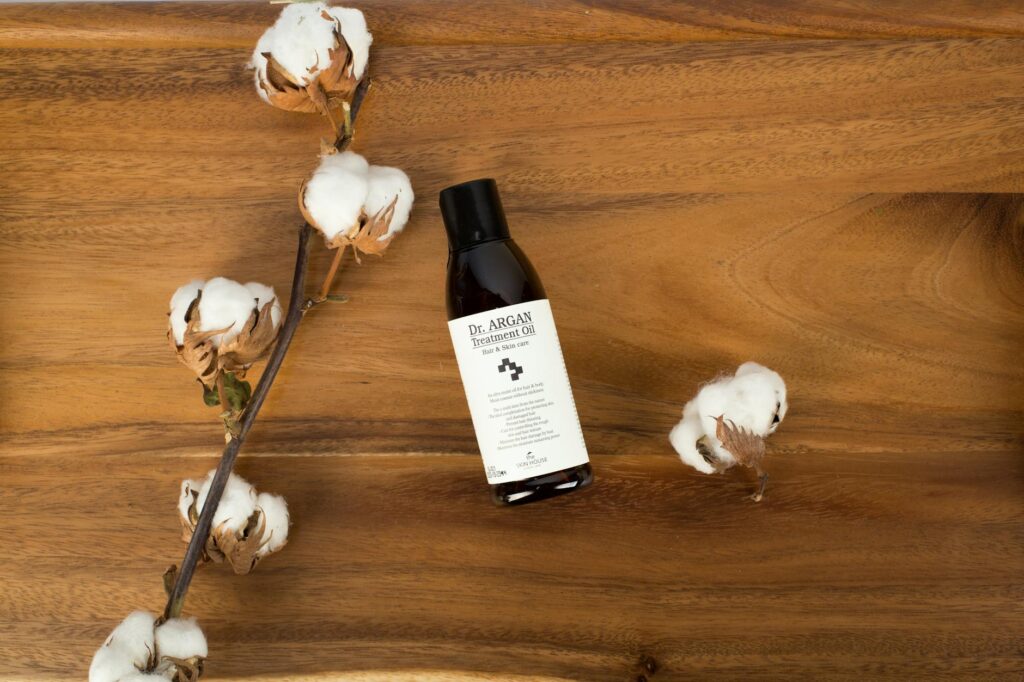
Is Argan Oil Safe? Uses, Benefits, and Precautions
Introduction
Argan oil, derived from the nuts of the Argania spinosa tree native to Morocco, has gained significant attention in recent years for its myriad uses in both culinary and cosmetic applications. Often referred to as “liquid gold,” this oil is celebrated for its rich composition of fatty acids, antioxidants, and vitamins. However, as with any natural product, questions regarding its safety, efficacy, and applications are frequently raised. This article aims to provide a comprehensive overview of argan oil, including its benefits, common uses, safety considerations, and tips for storage.
What Is Argan Oil?
Argan oil is extracted from the kernels found in the fruit of the argan tree, which grows primarily in the semi-desert regions of Morocco. The extraction process can be labor-intensive, traditionally involving the manual cracking of the nuts to access the kernels. The oil can be cold-pressed, a method that preserves its nutritional properties, or it can be processed using heat, which may alter its composition.
Argan oil is rich in unsaturated fatty acids, particularly oleic and linoleic acids, and contains significant amounts of vitamin E and other antioxidants. This unique profile contributes to its widespread use in various applications, from skincare and haircare to culinary uses.
Key Benefits and Properties
Nutrient-Rich Composition
Argan oil is particularly high in:
- Vitamin E: An antioxidant that helps neutralize free radicals and supports skin health.
- Fatty Acids: Including oleic and linoleic acids, which are essential for maintaining skin hydration and elasticity.
- Phenolic Compounds: These compounds offer anti-inflammatory properties and contribute to the oil’s antioxidant effects.
- Lavender and Argan Oil: Used for relaxation and calming effects.
- Tea Tree and Argan Oil: Often utilized for its potential benefits for acne-prone skin.
Hydration and Moisturization
One of the most celebrated benefits of argan oil is its ability to hydrate and moisturize the skin and hair. The fatty acids present in the oil help to lock in moisture, making it an excellent choice for dry or damaged skin and hair.
Anti-Aging Properties
The high vitamin E content makes argan oil a popular choice for anti-aging skincare. It may help reduce the appearance of fine lines and wrinkles, promoting a more youthful complexion.
Anti-Inflammatory Effects
Some studies suggest that argan oil may have anti-inflammatory properties, making it beneficial for conditions such as acne, eczema, and psoriasis. It can soothe irritated skin and reduce redness.
Common Uses
Skincare
Argan oil is widely used in skincare products due to its moisturizing properties. It can be applied directly to the skin or incorporated into lotions, creams, and serums. Its lightweight texture makes it suitable for all skin types, including oily and acne-prone skin.
Haircare
In haircare, argan oil is used to nourish and protect hair from damage. It can be applied as a leave-in conditioner, added to shampoos and conditioners, or used as a styling product to enhance shine and reduce frizz.
Culinary Uses
Argan oil is also used in traditional Moroccan cuisine. The oil can be drizzled over salads, used in marinades, or employed in cooking for its nutty flavor. Culinary argan oil is typically roasted to enhance its taste, while cosmetic-grade oil is unroasted and used for skin and hair applications.
Aromatherapy Applications
While argan oil is not commonly used as an essential oil in aromatherapy, it can serve as a carrier oil. In this context, it is often blended with essential oils to dilute their potency and facilitate application. Some popular combinations include:
When using argan oil as a carrier oil, it is important to ensure that the essential oils being combined are safe for topical use.
Safety Considerations
Allergic Reactions
Although argan oil is generally considered safe for most individuals, there is a possibility of allergic reactions, particularly for those with nut allergies. It is advisable to conduct a patch test before applying argan oil to larger areas of the skin.
Skin Sensitivity
Some individuals may experience sensitivity or irritation when using argan oil, particularly when used in conjunction with other active ingredients or essential oils. If irritation occurs, discontinue use immediately.
Pregnancy and Nursing
While argan oil is often deemed safe for use during pregnancy and nursing, it is always advisable to consult with a healthcare professional before introducing any new products into a skincare routine during these periods.
Interaction with Medications
There is limited research on the interactions of argan oil with medications. Individuals on prescription medications should consult with a healthcare provider to ensure that there are no potential interactions.
Storage and Shelf Life
Argan oil should be stored in a cool, dark place to preserve its quality and extend its shelf life. Exposure to light and heat can cause the oil to become rancid more quickly. When properly stored, argan oil can last for up to 18 months. It is advisable to check for any changes in color, smell, or texture before use, as these may indicate degradation.
Frequently Asked Questions
1. Can argan oil be used on all skin types?
Yes, argan oil is generally suitable for all skin types, including oily and sensitive skin. Its lightweight texture makes it a versatile option for various skincare needs.
2. How often should I use argan oil?
The frequency of use can vary based on individual skin types and concerns. For most, using argan oil daily or a few times a week can be beneficial for hydration and nourishment.
3. Is culinary argan oil the same as cosmetic argan oil?
No, culinary argan oil is typically roasted to enhance its flavor, while cosmetic argan oil is cold-pressed and unroasted, preserving its beneficial properties for skin and hair.
4. Can argan oil help with acne?
Argan oil may help soothe irritated skin and reduce inflammation, which can be beneficial for acne-prone skin. However, individual results may vary, and it is always best to consult with a dermatologist for personalized advice.
5. How should I apply argan oil?
Argan oil can be applied directly to the skin or hair. For skincare, a few drops can be massaged into the skin, while for hair, it can be used as a leave-in conditioner or styling product.
Conclusion
Argan oil is a versatile and nutrient-rich oil with a range of applications in skincare, haircare, and culinary use. Its numerous benefits, including hydration, anti-aging properties, and antioxidant effects, make it a popular choice among natural beauty enthusiasts. While generally considered safe, it is essential to exercise caution, especially for those with nut allergies or sensitive skin. By following proper storage practices and being mindful of individual sensitivities, argan oil can be a valuable addition to your personal care routine.