
Is Aromatherapy Blends for Anxiety Safe? Uses, Benefits and Precautions
Introduction
Aromatherapy, a holistic practice involving the use of essential oils, has gained popularity in recent years as a complementary approach to wellness. Among its various applications, the use of aromatherapy blends for anxiety has attracted significant attention. This article delves into the nature of these blends, their benefits, common uses, applications, safety considerations, and storage practices.
What Is Aromatherapy Blends for Anxiety?
Aromatherapy blends for anxiety are mixtures of essential oils specifically chosen for their calming and soothing properties. Essential oils are concentrated extracts derived from plants, containing the natural fragrance and therapeutic compounds of the source material. When blended, these oils can create synergistic effects, enhancing their overall impact on mood and emotional well-being.
Common essential oils used in anxiety blends include lavender, chamomile, bergamot, and ylang-ylang, each known for specific properties that may help alleviate feelings of stress and anxiety. The inhalation or topical application of these blends can influence the limbic system, the part of the brain that regulates emotions.
Key Benefits and Properties
1. Calming Effects
Essential oils like lavender and chamomile are well-known for their calming properties. They can promote relaxation and reduce feelings of tension and anxiety, making them popular choices in aromatherapy blends.
2. Mood Enhancement
Certain oils, such as bergamot and sweet orange, are considered uplifting and can help improve mood. These oils may stimulate the release of neurotransmitters like serotonin and dopamine, contributing to an overall sense of well-being.
3. Stress Reduction
Aromatherapy blends can aid in reducing the physiological symptoms of stress, such as elevated heart rate and muscle tension. The inhalation of these scents can induce relaxation responses in the body.
4. Sleep Improvement
Many individuals with anxiety issues also experience sleep disturbances. Essential oils like lavender and vetiver are often used to promote better sleep quality and duration, further enhancing mental health.
5. Supportive Therapy
While aromatherapy is not a replacement for professional treatment, it can serve as a supportive therapy for individuals dealing with anxiety. When used in conjunction with other therapeutic modalities, it may enhance overall emotional resilience.
Common Uses
Aromatherapy blends for anxiety can be employed in various contexts, including:
- Home Environment: Diffusing essential oils in living spaces to create a calming atmosphere.
- Personal Care: Incorporating oils into lotions, balms, or bath products for topical application.
- Inhalation: Using inhalers or personal aromatherapy sticks to provide on-the-go relief.
- Massage Therapy: Adding essential oils to carrier oils for use in massages, promoting relaxation and well-being.
- Meditation and Yoga: Enhancing mindfulness practices through the inhalation of calming scents.
Aromatherapy Applications
There are numerous methods to apply aromatherapy blends for anxiety. Each method has its own benefits and can be selected based on personal preference and circumstances.
1. Diffusion
Using an essential oil diffuser is one of the most common methods. By dispersing the oils into the air, individuals can inhale the beneficial compounds, creating an environment conducive to relaxation and stress relief.
2. Inhalation
Simply inhaling essential oils directly from the bottle or through an inhaler can provide immediate effects. This method is often favored for its convenience and effectiveness.
3. Topical Application
When diluted with a carrier oil, essential oils can be applied to pulse points such as wrists, behind the ears, or on the temples. This method allows for localized effects and can be particularly beneficial in situations of acute anxiety.
4. Bathing
Adding essential oils to a warm bath can create a soothing experience, helping to calm both the mind and body. It is essential to use a dispersant, such as Epsom salts, to ensure even distribution in the water.
5. Aromatherapy Roll-Ons
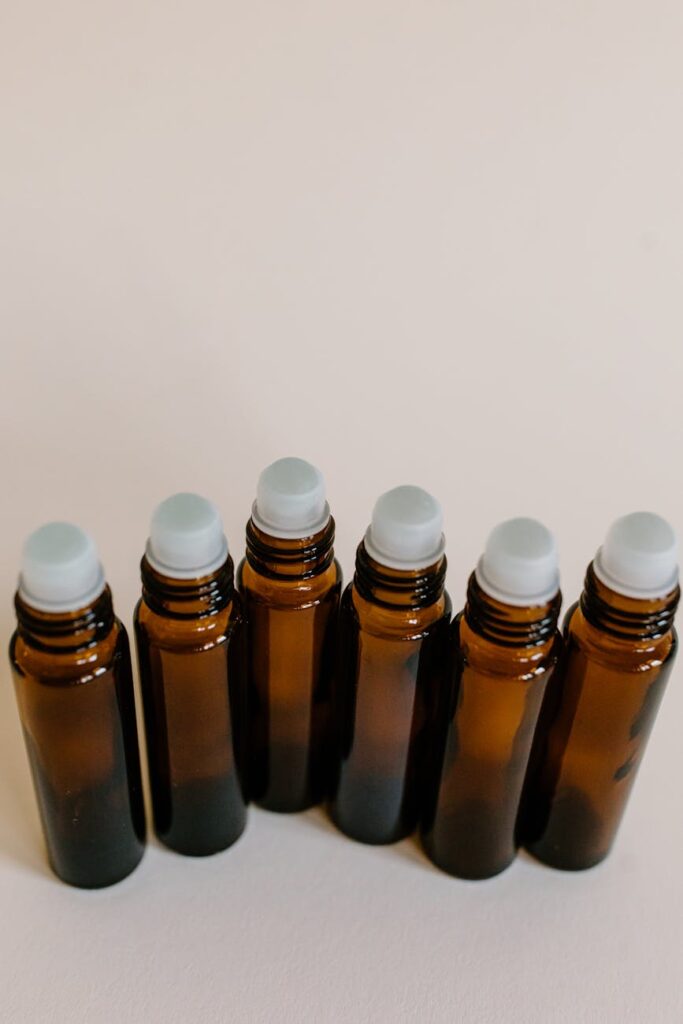
Pre-made roll-on blends are available for those seeking convenience. These blends typically combine essential oils with carrier oils in an easy-to-use format, making them suitable for on-the-go anxiety relief.
Safety Considerations
While aromatherapy blends for anxiety are generally considered safe, several factors should be taken into account:
1. Skin Sensitivity
Some individuals may experience skin sensitivity or allergic reactions to certain essential oils. It is advisable to perform a patch test by applying a small amount of diluted oil to a discreet area of skin before widespread use.
2. Dilution
Essential oils are highly concentrated and should be diluted with a carrier oil (such as coconut, jojoba, or almond oil) before topical application. A common dilution ratio is 2-3 drops of essential oil per teaspoon of carrier oil.
3. Pregnancy and Nursing
Pregnant or nursing individuals should exercise caution when using essential oils. Certain oils may not be safe during pregnancy, and consulting with a healthcare professional is recommended.
4. Medical Conditions
Individuals with specific health conditions or those taking medications should consult a knowledgeable professional before incorporating essential oils into their routines. Some oils may have contraindications with medications or exacerbate certain health issues.
5. Quality of Oils
Selecting high-quality essential oils from reputable sources is crucial. Poor-quality oils may contain additives or synthetic components that can be harmful. Always look for oils labeled as “100% pure” and consider those that have undergone third-party testing.
Storage and Shelf Life
Proper storage of essential oils is vital for maintaining their potency and effectiveness. Here are some guidelines to follow:
1. Storage Conditions
Essential oils should be stored in a cool, dark place, away from direct sunlight and heat sources. Dark glass bottles are ideal as they protect the oils from light degradation.
2. Shelf Life
The shelf life of essential oils varies depending on the type of oil. Generally, citrus oils have a shorter shelf life (around 1-2 years), while others like sandalwood and patchouli may last longer (up to 5 years or more). Always check for any signs of degradation, such as changes in color or smell, before use.
Frequently Asked Questions
1. Can aromatherapy blends cure anxiety?
Aromatherapy blends are not a cure for anxiety but can provide supportive benefits. They may help alleviate symptoms and promote relaxation when used alongside other therapeutic approaches.
2. How often should I use aromatherapy for anxiety?
The frequency of use can vary based on individual needs and preferences. Many people find daily use beneficial, while others may prefer to use aromatherapy as needed during moments of heightened anxiety.
3. Are there any essential oils to avoid for anxiety?
While many essential oils are beneficial, some individuals may have negative reactions to certain oils. It is essential to be mindful of personal sensitivities and allergies.
4. Can children use aromatherapy blends?
Children can benefit from aromatherapy, but it is crucial to use oils that are safe for their age group and to dilute them adequately. Consulting with a healthcare professional or aromatherapist is advisable.
5. Is it safe to use essential oils around pets?
Some essential oils can be toxic to pets, particularly cats and dogs. It is important to research and choose pet-safe oils and to consult a veterinarian if unsure.
Conclusion
Aromatherapy blends for anxiety offer a natural and holistic approach to managing stress and promoting emotional well-being. While they are generally safe when used appropriately, it is essential to consider individual sensitivities, consult healthcare professionals when necessary, and select high-quality oils. By understanding the uses, benefits, and precautions associated with these blends, individuals can make informed choices to enhance their overall mental health and well-being.