
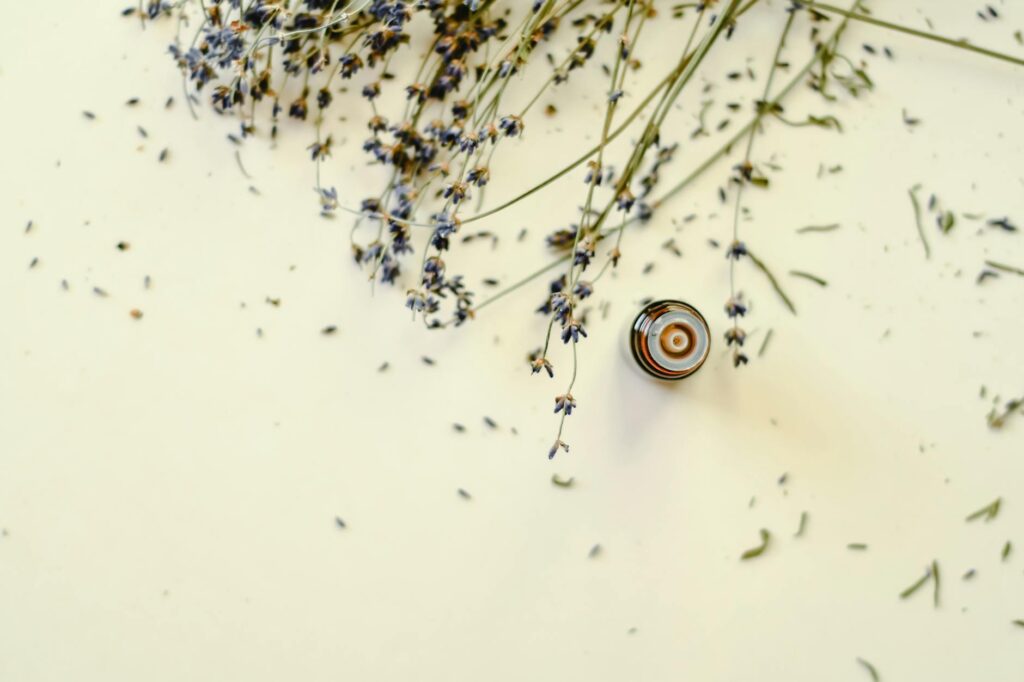
Is Aromatherapy Blends for Calming Safe? Uses, Benefits and Precautions
Introduction
Aromatherapy, a complementary therapy that utilizes the natural fragrances of essential oils, has gained popularity for its potential calming effects. Many individuals seek out aromatherapy blends specifically designed to promote relaxation and reduce stress. However, the safety of these blends is a primary concern for many users. This article explores what aromatherapy blends for calming are, their benefits and uses, how they are applied, and important safety considerations.
What Is Aromatherapy Blends for Calming?
Aromatherapy blends for calming typically consist of a combination of essential oils known for their soothing properties. These oils are extracted from various plants, including flowers, leaves, bark, and roots. The blends can vary significantly in composition, but common calming oils include lavender, chamomile, bergamot, and ylang-ylang.
When used appropriately, these aromatic compounds can influence mood and emotional well-being, potentially leading to a sense of tranquility and relaxation. The practice of blending these oils allows for a tailored approach to individual preferences and needs.
Key Benefits and Properties
The benefits of calming aromatherapy blends are often attributed to the unique chemical constituents found in essential oils. Some key benefits include:
1. Stress Reduction: Many users report a decrease in stress levels when exposed to calming scents. Essential oils such as lavender and chamomile are frequently associated with this effect.
2. Enhanced Mood: Calming blends may help uplift mood and promote a sense of well-being. Oils like bergamot are known for their ability to alleviate feelings of anxiety.
3. Improved Sleep Quality: Certain blends can help create a restful environment conducive to sleep. Oils like lavender and sandalwood are popular choices for promoting relaxation before bedtime.
4. Emotional Balance: Aromatherapy can serve as a tool for emotional regulation. Essential oils such as frankincense and ylang-ylang are often used for their grounding properties.
5. Support for Mindfulness Practices: Calming blends can enhance meditation and mindfulness practices by creating a serene atmosphere.
Common Uses
Aromatherapy blends for calming can be utilized in various settings, each tailored to maximize relaxation:
- Diffusion: One of the most common methods of using calming blends is through a diffuser. This method disperses the essential oils into the air, allowing for inhalation and atmospheric enhancement.
- Topical Application: Blends can be diluted with carrier oils (such as jojoba or sweet almond oil) and applied to pulse points, such as wrists or behind the ears. This method can provide localized calming effects.
- Bathing: Adding a few drops of calming blends to bathwater can create a soothing, spa-like experience. It is recommended to mix essential oils with a dispersant, like milk or a bath oil, to ensure even distribution.
- Inhalation: Direct inhalation from the bottle or a cotton ball can provide immediate calming effects. This method is particularly useful in stressful situations.
- Sleep Aids: Placing a cotton ball with calming blend near a pillow or using an aromatherapy pillow spray can enhance sleep quality.
- Keep Away from Light: Essential oils should be stored in dark glass bottles to protect them from light degradation.
- Cool, Dry Place: Store oils in a cool, dry environment, away from heat sources and humidity.
- Seal Tightly: Always ensure bottles are tightly sealed to prevent oxidation.
Aromatherapy Applications
When applying aromatherapy blends, several methods can be employed:
1. Personal Inhalers
These are small, portable devices filled with essential oil blends. Users can inhale the calming aromas on-the-go.
2. Massage
Incorporating calming blends into massage therapy can enhance relaxation. It is essential to dilute essential oils with a carrier oil before application to the skin.
3. Room Sprays
Creating a room spray with calming blends can help to infuse a space with a tranquil atmosphere. It is advisable to mix essential oils with water and a solubilizer for even distribution.
4. Scented Candles
Candles infused with calming essential oils can enhance relaxation during meditation or leisure activities. Ensure the candle is made with natural wax and quality essential oils.
5. Aromatherapy Jewelry
Wearing jewelry designed to hold essential oils, such as diffuser bracelets or necklaces, allows for continuous exposure to the calming scents throughout the day.
Safety Considerations
While aromatherapy blends for calming can offer various benefits, safety should always be a priority. Here are key considerations:
1. Dilution
Essential oils are highly concentrated substances. Always dilute them with a carrier oil before topical application to minimize skin irritation.
2. Skin Sensitivity
Conduct a patch test before using a new blend on the skin. Apply a small amount to a discreet area to check for any adverse reactions.
3. Pregnancy and Nursing
Certain essential oils are not recommended during pregnancy or while nursing. It is advisable to consult with a qualified professional for guidance.
4. Children and Pets
Some essential oils can be toxic to pets or unsuitable for children. Always research specific oils and their effects on different age groups and species before use.
5. Quality of Essential Oils
Using high-quality, pure essential oils is crucial. Look for oils that are labeled as 100% pure and free from synthetic additives.
6. Avoiding Ingestion
Essential oils should not be ingested unless under the supervision of a qualified healthcare professional. Ingestion can lead to serious health issues.
Storage and Shelf Life
Proper storage of essential oils is essential for maintaining their efficacy. Here are some storage tips:
The shelf life of essential oils varies, but most can last from 1 to 3 years when stored correctly. Citrus oils typically have shorter shelf lives, while oils like sandalwood may last longer.
Frequently Asked Questions
1. Can I use calming blends every day?
Yes, many individuals use calming blends daily. However, it is essential to monitor your body’s response and adjust usage as needed.
2. What is the best way to diffuse essential oils?
Using an ultrasonic diffuser is one of the most effective methods. This type of diffuser disperses essential oils into the air without heat, preserving their therapeutic properties.
3. Can I create my own calming blend?
Absolutely! Experimenting with different essential oils can lead to a personalized calming blend. It is advisable to start with a small number of oils and adjust according to personal preference.
4. Are there any side effects of using calming blends?
While generally safe, some individuals may experience headaches, skin irritation, or allergies. Always perform a patch test and consult with a healthcare professional if unsure.
5. How can I enhance the effects of aromatherapy?
Combining aromatherapy with other relaxation techniques, such as deep breathing, meditation, or yoga, can enhance the overall calming experience.
—
In conclusion, aromatherapy blends for calming can be a beneficial tool in managing stress and promoting relaxation. By understanding their uses, benefits, and safety considerations, individuals can incorporate these aromatic compounds into their daily lives effectively and safely. Always prioritize quality, proper application, and personal safety to ensure a rewarding aromatherapy experience.