
Is Aromatherapy Blends for Clarity Enhancement Safe? Uses, Benefits and Precautions
Introduction
Aromatherapy is an ancient practice that utilizes essential oils derived from plants to promote physical, emotional, and mental well-being. Among its numerous applications, clarity enhancement is a popular focus for many practitioners and users. Aromatherapy blends designed for clarity enhancement aim to stimulate mental clarity, improve focus, and support cognitive function. This article will explore the nature of these blends, their benefits, common uses, applications, safety considerations, and storage tips.
What Is Aromatherapy Blends for Clarity Enhancement?
Aromatherapy blends for clarity enhancement are combinations of essential oils specifically selected to promote alertness, concentration, and mental clarity. These blends typically contain essential oils known for their uplifting and invigorating properties. Common ingredients may include peppermint, rosemary, lemon, and basil, among others. Each of these oils carries unique properties that can positively influence mental state and cognitive function.
Key Benefits and Properties
1. Mental Clarity
Certain essential oils are believed to stimulate cognitive function and improve mental clarity. For instance, rosemary oil has been linked to enhanced memory and focus, while peppermint oil is often used to invigorate the mind.
2. Mood Enhancement
Many essential oils can promote feelings of happiness and reduce stress. Citrus oils, such as lemon and sweet orange, are commonly associated with uplifting moods, which can indirectly enhance cognitive performance.
3. Increased Energy and Focus
Blends containing invigorating oils can provide a much-needed energy boost. This can be particularly beneficial during moments of fatigue or when engaged in tasks requiring prolonged attention.
4. Stress Reduction
Aromatherapy has been shown to help reduce stress and anxiety. Lowering stress levels can create a more conducive environment for mental clarity, enabling better focus and decision-making.
Common Uses
Aromatherapy blends for clarity enhancement can be used in various settings and situations, including:
1. Work Environments
Individuals often use these blends to create a productive workspace. Diffusing essential oils in an office space can help maintain focus, especially during mentally demanding tasks.
2. Study Sessions
Students frequently turn to these blends while studying or preparing for exams. The stimulating properties of certain oils can promote concentration and retention of information.
3. Meditation and Mindfulness Practices
Incorporating clarity-enhancing blends into meditation or mindfulness practices can help clear the mind, making it easier to enter a state of focus and relaxation.
4. Daily Routines
Many choose to integrate these blends into their daily routines, whether through topical application or diffusion, to maintain an overall sense of clarity and well-being.
Aromatherapy Applications
1. Diffusion
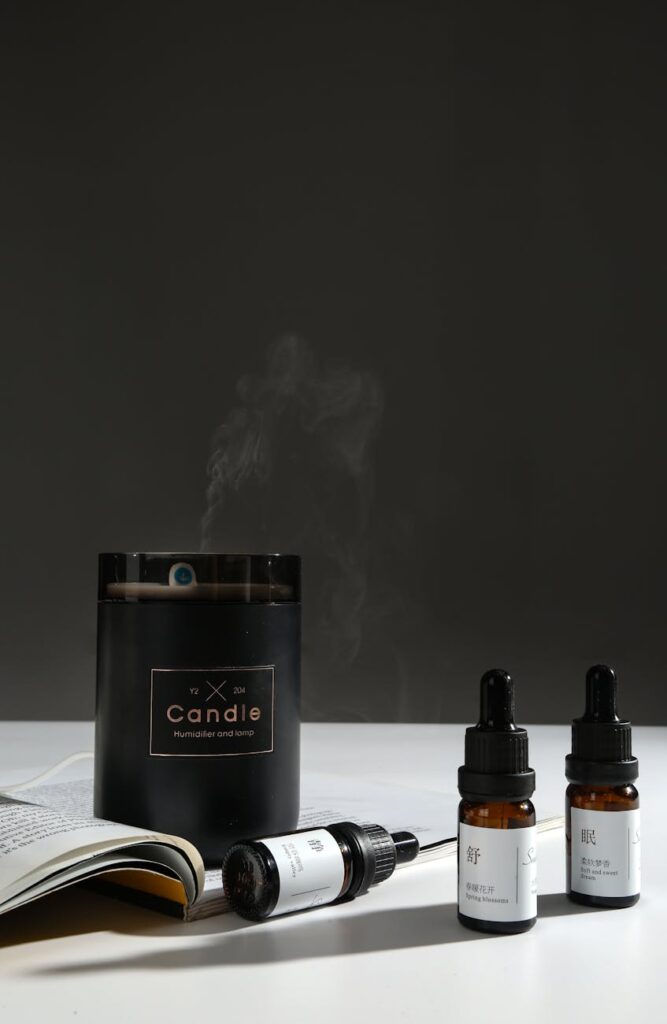
One of the most common methods for using aromatherapy blends is through a diffuser. Water-based diffusers disperse essential oils into the air, creating an aromatic environment that can enhance mood and focus.
2. Topical Application
Diluting essential oils with a carrier oil (such as coconut or jojoba oil) allows for safe topical application. This method can be particularly effective for localized benefits, such as applying a blend to pulse points for quick access to its aromas.
3. Inhalation
Direct inhalation of essential oils from the bottle or through a personal inhaler can provide immediate effects. This method is often used for quick relief during stressful situations or when needing a burst of focus.
4. Bathing
Adding clarity-enhancing essential oils to a warm bath can create a soothing atmosphere. The combination of warmth and aromatic properties can help relax the mind and promote clarity.
Safety Considerations
While aromatherapy can provide numerous benefits, it is essential to approach it with caution. Here are some important safety considerations:
1. Skin Sensitivity
Essential oils are potent and can cause skin irritation when used undiluted. Always dilute essential oils with a carrier oil before applying them to the skin. A patch test is recommended to check for any allergic reactions.
2. Respiratory Issues
Individuals with respiratory conditions or sensitivities should exercise caution when using diffusers or inhalers. Some oils may exacerbate these conditions; therefore, it is advisable to consult with a knowledgeable professional if concerns arise.
3. Pregnancy and Nursing
Pregnant or nursing individuals should consult with a healthcare provider before using essential oils, as some oils may not be safe during these periods.
4. Children and Pets
Certain essential oils can be harmful to children and pets. Always research specific oils and consult with a professional to ensure safety for young children and animals.
5. Quality of Essential Oils
The quality of essential oils can vary significantly between brands. It is crucial to choose high-quality, pure essential oils to ensure safety and effectiveness. Look for oils that are labeled “therapeutic grade” or “100% pure.”
Storage and Shelf Life
Proper storage of essential oils is vital to maintain their potency and efficacy. Here are some tips:
1. Store in a Cool, Dark Place
Essential oils should be stored in a cool, dark place away from direct sunlight and heat. Light and heat can degrade the quality of the oils.
2. Use Dark Glass Containers
Dark glass bottles protect essential oils from light exposure. Always ensure that the cap is securely closed to prevent oxidation.
3. Shelf Life
The shelf life of essential oils varies depending on the type. Generally, citrus oils have a shorter shelf life (1-2 years), while oils like sandalwood and patchouli can last for several years when stored properly. Always check for signs of deterioration, such as changes in color or odor.
Frequently Asked Questions
1. Can I create my own clarity-enhancing blend?
Yes, you can create your own blends by mixing essential oils known for their clarity-enhancing properties. Start with a base oil and gradually add drops of each essential oil until you achieve your desired aroma.
2. How often should I use aromatherapy blends for clarity enhancement?
Usage frequency varies by individual preference and needs. Some may benefit from using the blend daily, while others may prefer to use it only during specific tasks or situations requiring focus.
3. Are there any essential oils to avoid for clarity enhancement?
While many essential oils are beneficial for clarity, some, like chamomile or lavender, are more often associated with relaxation and sleep. These may not be ideal for situations where mental clarity and focus are desired.
4. Can I use aromatherapy blends while driving?
Using essential oils while driving can be distracting. It is advisable to use them in a manner that does not interfere with your focus on the road.
5. How do I know if an essential oil is pure?
To ensure purity, choose essential oils from reputable brands that provide clear information about sourcing and testing. Look for certifications, such as GC/MS (Gas Chromatography/Mass Spectrometry) testing results.
Conclusion
Aromatherapy blends for clarity enhancement offer a natural and holistic approach to improving mental clarity, focus, and overall well-being. While the benefits are numerous, it is essential to exercise caution and be mindful of safety considerations. By understanding the properties, applications, and potential risks associated with these blends, individuals can make informed choices to enhance their cognitive function through the art of aromatherapy.