
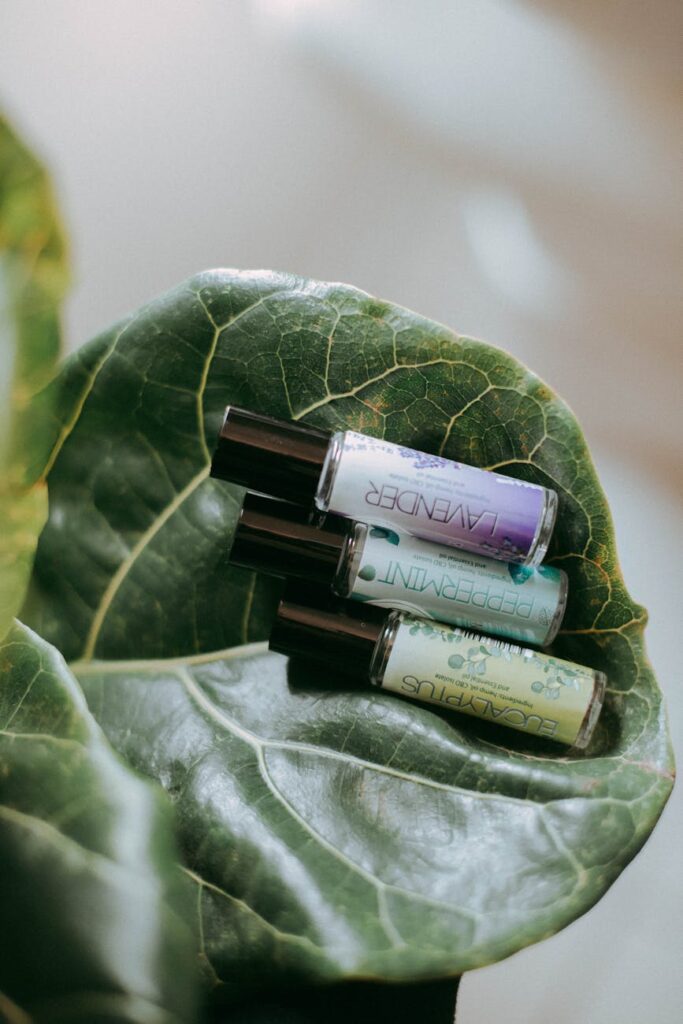
Is Aromatherapy Blends for Creativity Enhancement Safe? Uses, Benefits, and Precautions
Introduction
Aromatherapy is a holistic practice that harnesses the therapeutic properties of essential oils derived from plants. One of its intriguing applications is the enhancement of creativity. Many individuals seek alternative methods to ignite their imagination, and aromatherapy blends designed for creativity enhancement have gained popularity. This article explores the nature of these blends, their benefits, common uses, applications, safety considerations, and storage recommendations.
What Is Aromatherapy Blends for Creativity Enhancement?
Aromatherapy blends for creativity enhancement are specifically formulated combinations of essential oils aimed at stimulating mental clarity, focus, and inspiration. These blends can include oils known for their uplifting and invigorating properties, which may help create an environment conducive to creative thinking. Common essential oils used in these blends include peppermint, lemon, rosemary, and bergamot. These oils are often combined in various proportions to target specific creative goals, whether for artistic endeavors, problem-solving, or innovative thinking.
Key Benefits and Properties
The benefits of using aromatherapy blends for creativity enhancement can be categorized into several key areas:
1. Mental Clarity
Essential oils like rosemary and peppermint are believed to promote mental clarity and alertness. They may help to sharpen focus, making it easier to engage in creative tasks.
2. Mood Enhancement
Many essential oils possess uplifting properties. Citrus oils such as lemon and sweet orange can elevate mood and instill a sense of joy, creating a positive atmosphere for creativity.
3. Stress Reduction
Stress can stifle creativity. Oils like lavender and chamomile are renowned for their calming effects, which can help reduce anxiety and foster a relaxed state of mind, conducive to creative thinking.
4. Inspiration
Certain blends, particularly those containing floral oils such as jasmine or ylang-ylang, are thought to inspire new ideas and foster a sense of openness to creativity.
5. Enhanced Focus
Blends that include vetiver or frankincense may help ground the mind, allowing for sustained focus on creative tasks without distraction.
Common Uses
Aromatherapy blends for creativity enhancement can be utilized in various contexts, including:
- Workshops and Creative Sessions: Many artists and creators use these blends during workshops to foster an inspiring environment.
- Studying or Brainstorming: Students and professionals may diffuse these oils while studying or brainstorming to enhance focus and stimulate innovative ideas.
- Meditation and Mindfulness Practices: Incorporating these essential oils into meditation routines can help clear the mind and open pathways for creative thought.
- Home and Workspace Environment: Using these blends in personal or professional spaces can cultivate a creative atmosphere conducive to productivity.
- Cool, Dark Place: Essential oils should be stored in a cool, dark area away from direct sunlight, which can cause degradation.
- Airtight Containers: Use dark glass bottles to help protect the oils from light and oxidation. Always ensure that containers are sealed tightly after use.
Aromatherapy Applications
There are several methods for applying aromatherapy blends for creativity enhancement:
1. Diffusion
Using an essential oil diffuser is one of the most popular methods. By dispersing the aromatic compounds into the air, individuals can enjoy the benefits throughout a room.
2. Inhalation
Direct inhalation of essential oils can provide immediate effects. Placing a few drops of the blend on a cotton ball or inhaler can offer a quick boost in creativity.
3. Topical Application
Diluting essential oils in a carrier oil and applying them to pulse points (such as wrists or temples) can allow for the absorption of the oils while also creating a personal aromatic experience.
4. Bathing
Adding a few drops of a creativity-enhancing blend to a warm bath can create a calming environment, ideal for relaxation and inspiration.
5. Creative Rituals
Incorporating the use of these blends into personal creative rituals can create associations between the scent and the creative process, enhancing overall efficacy.
Safety Considerations
While aromatherapy blends for creativity enhancement can be beneficial, it is essential to consider safety precautions:
1. Skin Sensitivity
Some individuals may experience skin reactions to essential oils. It is advisable to conduct a patch test by applying a diluted oil on a small area of skin before broader use.
2. Allergies
Individuals with allergies to specific plants should avoid essential oils derived from those sources. Always check the source of the oil and consult ingredient lists.
3. Pregnancy and Breastfeeding
Certain essential oils may not be safe for use during pregnancy or breastfeeding. Pregnant individuals should consult with a healthcare professional before using essential oils.
4. Children and Pets
Caution should be exercised when using essential oils around children and pets. Some oils can be toxic or irritating; therefore, it is essential to research the safety of specific oils.
5. Quality of Oils
Using high-quality, pure essential oils is crucial. Low-quality oils may contain harmful additives or synthetic fragrances that can negate the benefits and pose health risks.
Storage and Shelf Life
Proper storage is essential for maintaining the efficacy of aromatherapy blends. Here are some guidelines:
1. Storage Conditions
2. Shelf Life
The shelf life of essential oils varies depending on the type of oil. Generally, citrus oils have a shorter shelf life (up to 1-2 years), while oils like patchouli and sandalwood can last up to 5 years or more. Regularly check oils for changes in scent, consistency, or color, which may indicate that they have gone rancid.
Frequently Asked Questions
1. Can aromatherapy blends really enhance creativity?
While many users report positive experiences, scientific evidence is limited. Individual responses to essential oils can vary, and the effectiveness of a blend may depend on personal preferences and associations.
2. How do I choose the right blend for creativity enhancement?
Look for blends that include uplifting and clarifying oils like lemon, peppermint, and rosemary. Experimenting with different combinations can help you find what works best for you.
3. How often can I use aromatherapy blends?
The frequency of use will depend on personal preference and sensitivity. Many individuals use these blends daily, while others may reserve them for specific creative sessions.
4. Are there any contraindications for using essential oils?
Yes, certain essential oils may not be suitable for everyone, particularly those with specific health conditions, pregnant women, and children. Always check for potential contraindications and consult a professional if unsure.
5. Can I make my own aromatherapy blend for creativity?
Absolutely! Creating your own blend allows for customization. Start with a base oil and add other oils that resonate with your creative goals, ensuring to follow dilution guidelines.
Conclusion
Aromatherapy blends for creativity enhancement offer an intriguing approach to stimulating the mind and fostering innovation. While many individuals have found personal benefits from these blends, it is essential to approach their use with informed caution, taking into account safety considerations and individual responses. By understanding the properties, uses, and precautions associated with these aromatic compounds, individuals can create an environment that nurtures creativity and inspiration.