
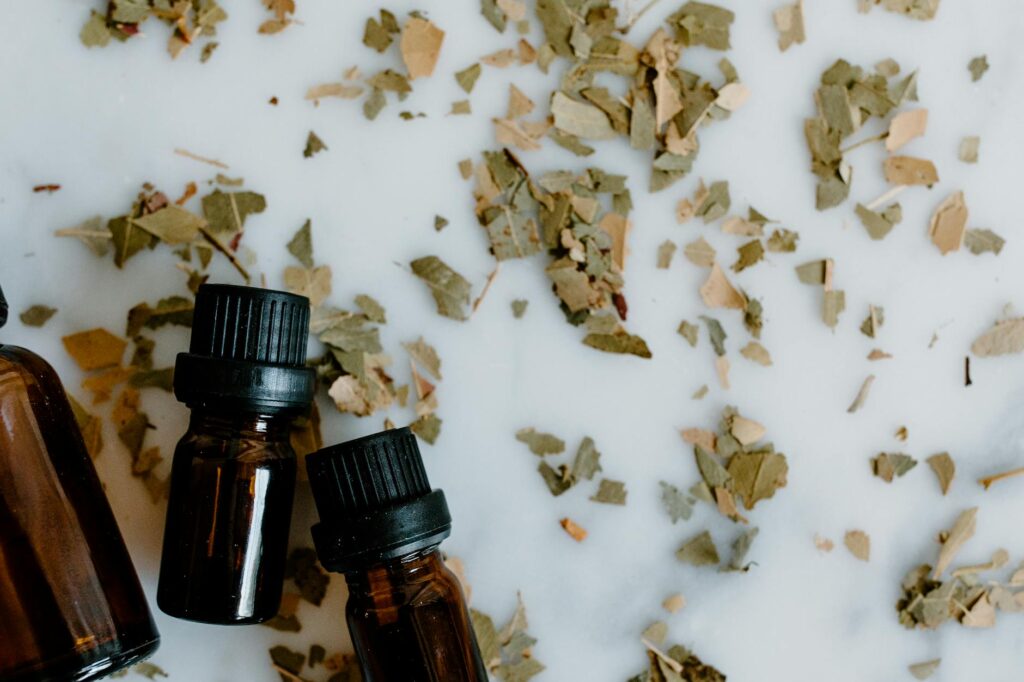
Is Aromatherapy Blends for Detoxification Safe? Uses, Benefits and Precautions
Introduction
Aromatherapy, the practice of using essential oils derived from plants for therapeutic benefits, has gained popularity in recent years. Among its many applications, detoxification is a common area of interest. This article explores the concept of aromatherapy blends for detoxification, examining their uses, benefits, and necessary precautions to ensure safety.
What Is Aromatherapy Blends for Detoxification?
Aromatherapy blends for detoxification refer to mixtures of essential oils specifically formulated to support the body’s natural detoxification processes. These blends often include oils known for their purifying and cleansing properties, such as lemon, grapefruit, and eucalyptus. The idea is to promote the body’s ability to eliminate toxins and improve overall well-being through the inhalation or topical application of these concentrated plant extracts.
Key Benefits and Properties
The benefits of aromatherapy blends for detoxification can be categorized into several key properties:
1. Purifying Effects
Certain essential oils, like lemon and tea tree, are known for their purifying effects. They can help cleanse the air and may contribute to a clearer environment, both physically and emotionally.
2. Support for Circulation
Some oils, such as rosemary and peppermint, are believed to encourage healthy circulation. Improved blood flow can assist the body’s natural detoxification processes by delivering nutrients and oxygen more efficiently.
3. Emotional Support
Detoxification is not only a physical process but an emotional one as well. Essential oils like lavender and bergamot can help alleviate stress and anxiety, which may indirectly support the body’s ability to detoxify.
4. Immune System Boost
Certain blends can help support the immune system. Oils like eucalyptus and thyme are thought to possess antimicrobial properties that may help the body resist infections and promote overall health.
Common Uses
Aromatherapy blends for detoxification can be employed in various ways:
1. Diffusion
Using an essential oil diffuser, one can disperse the aromatic compounds throughout a space, allowing for inhalation. This method is effective for creating a purifying atmosphere.
2. Topical Application
When diluted with a carrier oil, such as sweet almond or jojoba oil, essential oils can be applied to the skin. This method may enhance absorption and provide localized benefits.
3. Bathing
Adding a few drops of essential oils to a warm bath can create a relaxing environment and promote skin absorption.
4. Inhalation
Direct inhalation from the bottle or using an inhaler can provide immediate effects, especially for emotional support.
Aromatherapy Applications
The application of aromatherapy blends for detoxification can involve several techniques:
1. Massage
Combining essential oils with a carrier oil for a detoxifying massage can stimulate lymphatic drainage and improve circulation. This method may enhance the detoxification process.
2. Steam Inhalation
Adding essential oils to hot water for steam inhalation can help clear the respiratory system. This technique is particularly beneficial for oils like eucalyptus, known for their respiratory support.
3. Cleansing Rituals
Incorporating aromatherapy into cleansing rituals, such as cleansing spaces or personal energy, can enhance the overall experience and promote emotional clarity.
Safety Considerations
While aromatherapy can offer a range of benefits, it is essential to approach it with caution. Here are key safety considerations:
1. Dilution
Essential oils are highly concentrated and should always be diluted with a carrier oil before topical application. A general guideline is to use a 1% to 5% dilution, depending on the oil and intended use.
2. Skin Sensitivity
Some individuals may experience skin irritation or allergic reactions. Conducting a patch test prior to widespread application is advisable.
3. Pregnancy and Nursing
Certain essential oils may not be safe during pregnancy or nursing. It is essential to consult with a knowledgeable source to identify safe options.
4. Medical Conditions
Individuals with specific health conditions, such as asthma, epilepsy, or skin sensitivities, should consult with a healthcare professional before using essential oils.
5. Quality of Oils
Always choose high-quality, pure essential oils from reputable sources. Adulterated or synthetic oils may not provide the desired benefits and can pose health risks.
Storage and Shelf Life
Proper storage of essential oils is crucial to maintain their efficacy. Here are some guidelines:
1. Storage Conditions
Essential oils should be stored in a cool, dark place, away from direct sunlight and heat sources. Dark glass bottles are ideal for protecting the oils from light degradation.
2. Shelf Life
The shelf life of essential oils varies depending on the oil type. Citrus oils may last 1-2 years, while more stable oils like patchouli can last for many years. Regularly check for changes in aroma, color, or viscosity as indicators of oil freshness.
Frequently Asked Questions
1. Can aromatherapy blends completely detoxify the body?
Aromatherapy blends can support the body’s natural detoxification processes but should not be relied upon as a sole method of detoxification. A holistic approach that includes a balanced diet, hydration, and lifestyle changes is essential.
2. How often can I use detoxifying blends?
Frequency of use can vary based on individual preferences and sensitivities. It is generally safe to use these blends daily, but it is advisable to monitor how your body responds and adjust accordingly.
3. Are there specific oils I should avoid?
Certain oils, such as wintergreen and sage, may not be suitable for everyone. Always research individual oils and consult with a knowledgeable source if unsure.
4. Can I create my own detoxifying blend?
Yes, many individuals enjoy creating their own blends. Start by researching oils known for their detoxifying properties and consider their compatibility in fragrance and therapeutic benefits.
5. Is aromatherapy a replacement for traditional medicine?
Aromatherapy should complement, not replace, traditional medical treatments. Always consult a healthcare professional for medical advice and treatment.
Conclusion
Aromatherapy blends for detoxification offer an intriguing approach to supporting the body’s natural cleansing mechanisms. While they can provide numerous benefits, including emotional support and purifying effects, it is essential to use them safely. By understanding the properties, applications, and precautions associated with these blends, individuals can effectively incorporate aromatherapy into their wellness routines. As with any holistic practice, a balanced approach that considers multiple aspects of health is key to achieving optimal well-being.