
Is Aromatherapy Blends for Digestive Health Safe? Uses, Benefits and Precautions
Introduction
Aromatherapy, the practice of using essential oils extracted from plants for therapeutic purposes, has gained significant popularity in recent years. Among its numerous applications, the use of aromatherapy blends for digestive health has attracted attention for their potential to alleviate discomfort and promote overall well-being. This article explores the nature of these blends, their benefits, common uses, applications, safety considerations, storage, and more, providing an informative resource for those interested in this holistic approach to digestive wellness.
What Is Aromatherapy Blends for Digestive Health?
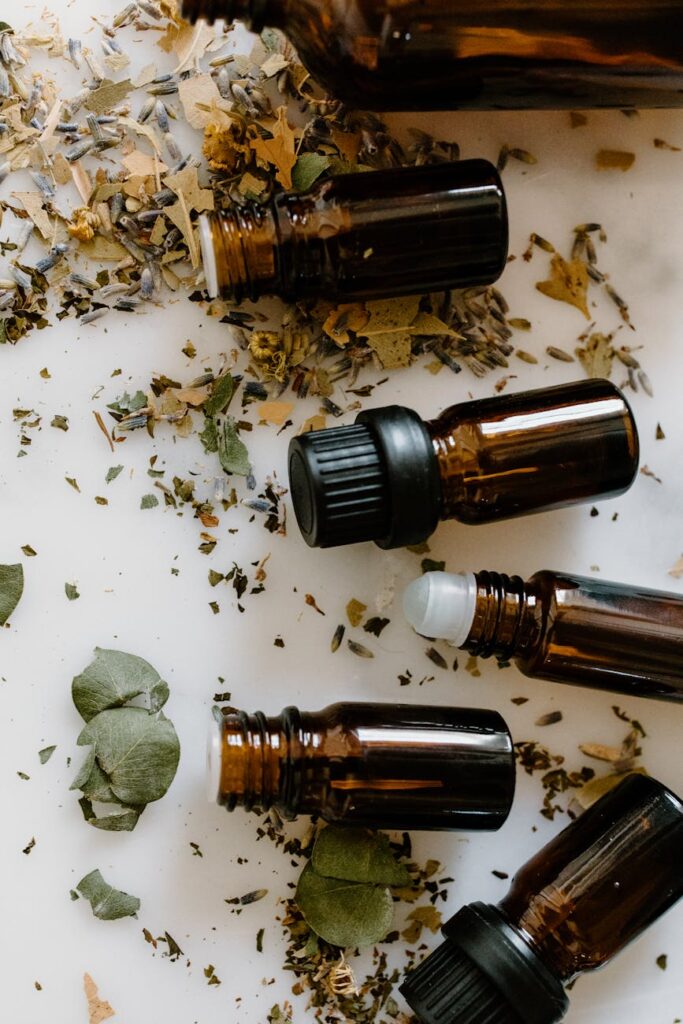
Aromatherapy blends for digestive health typically consist of various essential oils known for their beneficial properties related to gastrointestinal function. These blends may incorporate oils such as peppermint, ginger, fennel, and cardamom, each selected for its unique effects on digestion. The essential oils are usually diluted in a carrier oil before use, ensuring safety while allowing the therapeutic properties to be effectively absorbed.
Key Benefits and Properties
1. Alleviation of Digestive Discomfort
Many essential oils have been traditionally used to relieve symptoms such as bloating, gas, and nausea. For instance, peppermint oil is renowned for its ability to soothe the stomach and improve digestive flow.
2. Anti-inflammatory Properties
Certain essential oils exhibit anti-inflammatory characteristics, which can be beneficial for individuals dealing with conditions such as irritable bowel syndrome (IBS). Ginger oil, for example, is known for its ability to reduce inflammation and support digestive health.
3. Antimicrobial Effects
Some essential oils possess antimicrobial properties that can help combat harmful bacteria in the digestive system. Oils like oregano and tea tree are often cited for their potential to support gut health by balancing intestinal flora.
4. Relaxation and Stress Relief
Stress can significantly impact digestive health. Aromatherapy is known for its calming effects, which may indirectly benefit the digestive system. Oils like lavender and chamomile can promote relaxation, potentially easing symptoms associated with stress.
Common Uses
Aromatherapy blends for digestive health can be utilized in various ways, including:
- Inhalation: Diffusing essential oils into the air or inhaling directly from the bottle can provide immediate relief from digestive discomfort.
- Topical Application: Diluted blends can be massaged onto the abdomen to alleviate symptoms such as bloating or cramping.
- Baths: Adding essential oils to bathwater can create a soothing environment, promoting relaxation and easing digestive tension.
- Compresses: A warm compress infused with essential oils can be applied to the abdomen, providing localized relief.
- Cool, Dark Place: Store essential oils in a cool, dark area away from direct sunlight and heat sources to prevent degradation.
- Tightly Sealed Containers: Ensure that bottles are tightly sealed to prevent evaporation or contamination.
- Shelf Life: While some essential oils can last for several years, their potency may diminish over time. Generally, citrus oils have a shorter shelf life (1-2 years), while oils like cedarwood and patchouli can last longer (up to 5 years or more).
Aromatherapy Applications
1. Diffusion
Using an essential oil diffuser, individuals can disperse therapeutic aromas throughout a room. This method is beneficial for promoting a calming environment that supports digestive health.
2. Massage
Creating a massage blend with essential oils and a carrier oil can enhance relaxation and improve circulation in the abdominal area. A gentle massage can help stimulate digestion and alleviate discomfort.
3. Bathing
Incorporating essential oils into a bath can provide a multi-sensory experience. The warmth of the water combined with the aromatic properties of the oils can facilitate relaxation, enhancing the overall digestive process.
4. Inhalation
For acute symptoms, inhalation is a quick method to experience the benefits of essential oils. Simply placing a few drops on a tissue or in the palm of one’s hands and inhaling can provide immediate effects.
Safety Considerations
While aromatherapy can be beneficial, it is essential to consider safety precautions:
1. Dilution
Essential oils should always be diluted with a carrier oil (such as coconut, jojoba, or olive oil) before topical application. This reduces the risk of skin irritation or sensitization.
2. Patch Testing
Before using a new essential oil blend, performing a patch test on a small area of skin is advisable to check for any allergic reactions.
3. Consultation with Professionals
Individuals with pre-existing medical conditions, pregnant or nursing women, and those taking medications should consult with a qualified healthcare professional before using essential oils.
4. Quality of Essential Oils
It is crucial to choose high-quality, pure essential oils from reputable suppliers. Synthetic or adulterated oils may not provide the desired therapeutic benefits and could pose safety risks.
Storage and Shelf Life
Proper storage of essential oils is vital to maintaining their efficacy. Here are some guidelines:
Frequently Asked Questions
1. Can I use essential oils internally?
Internal use of essential oils is a controversial topic and should only be undertaken under the guidance of a qualified healthcare professional. Many essential oils can be toxic if ingested improperly.
2. Are there any essential oils I should avoid for digestive health?
Certain oils, such as wintergreen and camphor, can be irritating and should be avoided, particularly in topical applications. Always consult with a professional for personalized advice.
3. How frequently can I use aromatherapy blends for digestive health?
The frequency of use may vary based on individual needs and responses. It is generally advisable to start with a small amount and gradually increase as needed, while being mindful of any adverse reactions.
4. What are some recommended essential oils for digestive health?
Some commonly recommended essential oils for digestive health include peppermint, ginger, fennel, and chamomile. However, individual responses may vary, so it’s important to explore different options.
5. Can aromatherapy replace traditional medical treatment?
Aromatherapy can be a complementary approach to managing digestive health but should not be considered a replacement for medical treatment. Always consult with a healthcare professional regarding any persistent digestive issues.
Conclusion
Aromatherapy blends for digestive health offer a holistic approach to addressing common gastrointestinal discomforts. With a variety of beneficial properties and applications, these essential oils can provide support to many individuals seeking relief. However, safety considerations, proper use, and storage should always be prioritized to ensure a positive experience. As with any holistic practice, it is essential to approach aromatherapy with an informed mindset, considering both its potential benefits and limitations.