
Is Aromatherapy Blends for Digestive Support Safe? Uses, Benefits and Precautions
Introduction
Aromatherapy is an ancient practice that harnesses the power of essential oils derived from plants to promote physical and emotional well-being. Among the myriad applications of aromatherapy, digestive support is one of the most sought-after areas. This article explores the safety, uses, benefits, and precautions associated with aromatherapy blends specifically designed for digestive support.
What Is Aromatherapy Blends for Digestive Support?
Aromatherapy blends for digestive support are combinations of essential oils known for their beneficial properties on the digestive system. These blends often include oils such as peppermint, ginger, fennel, and chamomile, each chosen for their unique characteristics that may aid digestive health. The use of such blends can be traced back to various cultures that recognized the therapeutic potential of plant extracts.
Key Components of Digestive Support Blends:
1. Peppermint (Mentha piperita): Often used to relieve bloating and gas.
2. Ginger (Zingiber officinale): Traditionally known for its ability to soothe nausea.
3. Fennel (Foeniculum vulgare): Sometimes employed to alleviate digestive discomfort.
4. Chamomile (Matricaria chamomilla): Valued for its calming properties, which can aid in relaxation during digestion.
Key Benefits and Properties
The primary benefits of aromatherapy blends for digestive support are attributed to the unique properties of the individual essential oils. Here are some notable benefits associated with these oils:
1. Calming Effects: Many essential oils have soothing properties that may help reduce anxiety and stress, which are often linked to digestive issues.
2. Digestive Stimulation: Certain oils can encourage the production of digestive enzymes and bile, facilitating improved digestion.
3. Anti-inflammatory Properties: Some essential oils possess anti-inflammatory characteristics that can alleviate discomfort associated with digestive disturbances.
4. Antimicrobial Effects: Several essential oils have been shown to have antimicrobial properties, potentially supporting gut health by combating harmful bacteria.
Common Uses
Aromatherapy blends for digestive support can be utilized in various ways, making them versatile tools for those seeking natural remedies. Here are some common applications:
1. Inhalation: Simply inhaling essential oils can have immediate calming effects. Diffusers can disperse the aroma throughout a room.
2. Topical Application: Diluting essential oils in a carrier oil and applying them to the abdomen may provide localized relief.
3. Bathing: Adding essential oils to bathwater can create a soothing environment that promotes relaxation.
4. Massage: Using diluted blends for abdominal massage can aid in digestion and relieve discomfort.
Aromatherapy Applications
Diffusion
Diffusing essential oils is one of the most popular methods of application. It involves dispersing the oil into the air, allowing it to be inhaled. A few drops of the blend in a diffuser can create a calming atmosphere that may help ease tension and promote digestive health.
Topical Application
When applying essential oils topically, it is essential to dilute them in a carrier oil such as coconut, jojoba, or almond oil. A typical dilution ratio is 2-3 drops of essential oil per teaspoon of carrier oil. Massaging the diluted blend onto the abdomen can help stimulate digestion and relieve discomfort.
Bathing
Incorporating essential oils into a bath can create a tranquil experience that enhances relaxation. Adding a few drops of the digestive support blend to warm bathwater can allow the oils to be absorbed through the skin while also providing aromatherapy through inhalation.
Inhalation
Direct inhalation is a straightforward method that requires no special equipment. Placing a few drops of the essential oil on a tissue and inhaling deeply can provide quick relief. Alternatively, a personal inhaler can be used for portability.
Safety Considerations
While aromatherapy can offer various benefits, it is crucial to approach its use with caution. Here are essential safety considerations:
1. Dilution: Essential oils are potent and should always be diluted before topical application to prevent skin irritation or adverse reactions.
2. Quality of Oils: Only use high-quality, pure essential oils from reputable sources. Adulterated oils may not provide the desired benefits and could pose health risks.
3. Allergies and Sensitivities: Conduct a patch test before using a new oil to check for allergic reactions. Discontinue use if irritation occurs.
4. Pregnancy and Nursing: Pregnant or nursing individuals should consult a healthcare professional before using essential oils, as some may not be safe during these periods.
5. Medical Conditions: Individuals with existing medical conditions or those taking medications should consult a healthcare provider to ensure that the essential oils will not interfere with their treatment.
Storage and Shelf Life
Proper storage of essential oils is essential for maintaining their potency and safety. Here are some guidelines for storage:
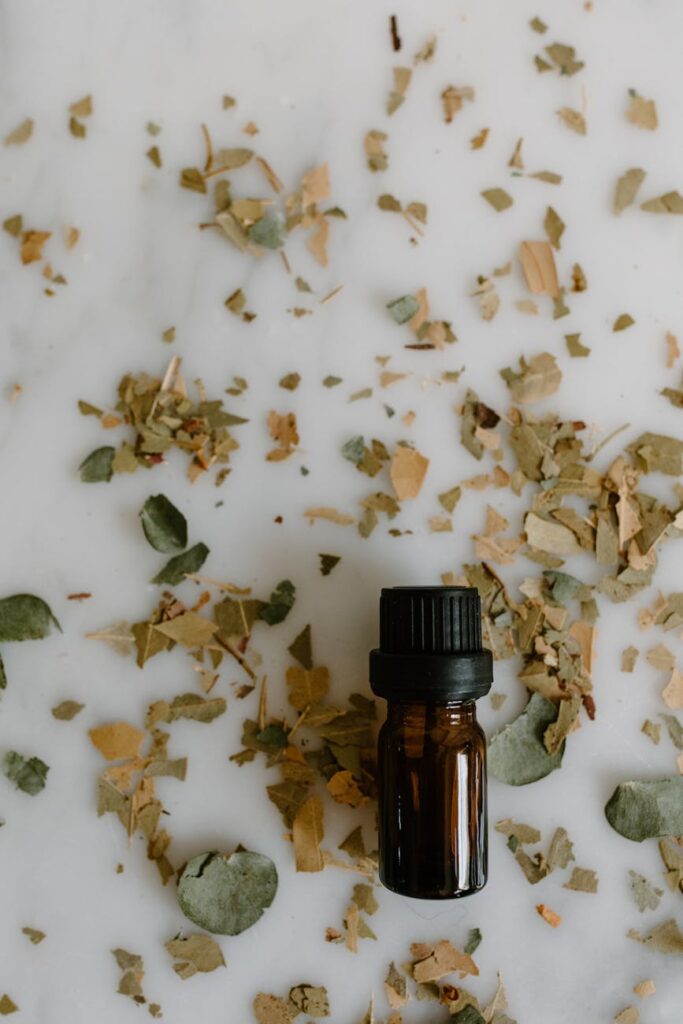
1. Container: Store essential oils in dark glass bottles to protect them from light, which can degrade the oils.
2. Temperature: Keep oils in a cool, dry place away from direct sunlight and heat sources.
3. Shelf Life: Most essential oils have a shelf life ranging from 1 to 3 years, while citrus oils may have a shorter lifespan. Always check for any changes in smell or consistency before use.
Frequently Asked Questions
Can aromatherapy blends for digestive support replace medical treatment?
Aromatherapy should not be considered a substitute for professional medical advice or treatment. It is best used as a complementary approach.
How often can I use digestive support blends?
The frequency of use can vary based on individual preferences and needs. It is advisable to start with small doses and adjust according to how your body responds.
Are there any essential oils that should be avoided for digestive support?
Yes, certain oils such as eucalyptus and sage may not be suitable for digestive support and could even irritate the digestive tract. Always research individual oils before use.
Can children use aromatherapy blends for digestive support?
Children can benefit from aromatherapy, but it is crucial to use age-appropriate oils and dilutions. Consult a healthcare professional for guidance.
How do I know if an essential oil is of good quality?
Look for oils that are labeled as 100% pure, organic, and free from fillers or additives. Reputable brands often provide information about sourcing and testing.
Conclusion
Aromatherapy blends for digestive support can offer a variety of benefits, from calming effects to digestive stimulation. While these natural remedies can be effective, it is essential to approach their use with caution and be mindful of safety considerations. By understanding the properties, applications, and precautions associated with these blends, individuals can make informed choices that promote their overall well-being. Always consult with a qualified professional for personalized advice tailored to individual health needs.