
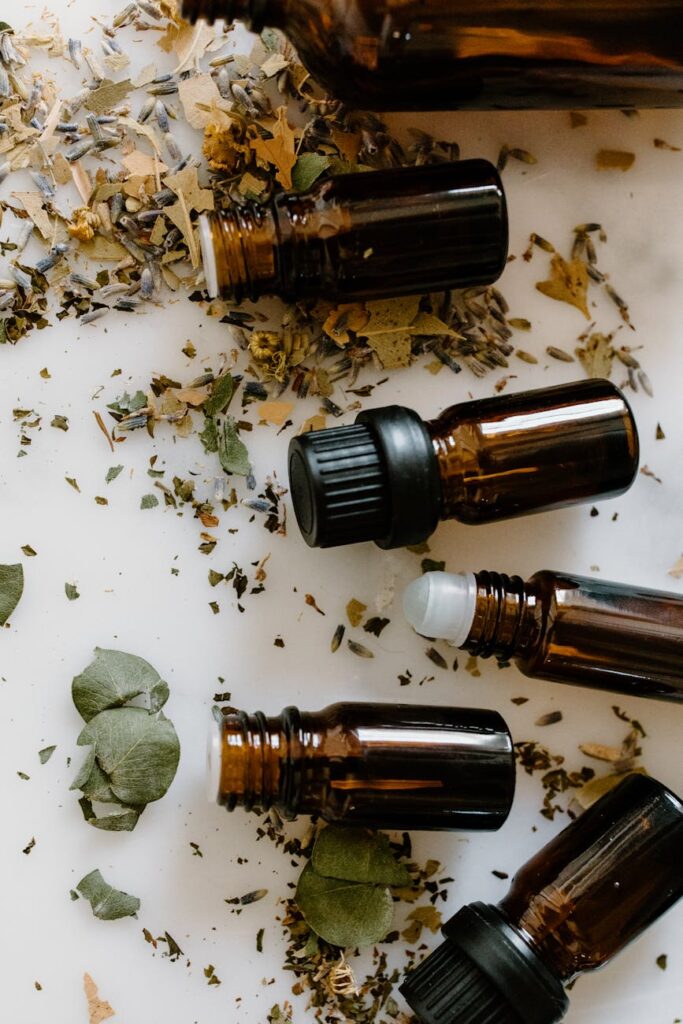
Is Aromatherapy Blends for Emotional Healing Safe? Uses, Benefits and Precautions
Introduction
In recent years, the use of aromatherapy for emotional healing has gained significant attention in both wellness communities and mainstream health discussions. This holistic approach utilizes essential oils derived from plants to promote emotional well-being and mental clarity. As people seek natural alternatives for managing stress, anxiety, and other emotional challenges, understanding the safety, benefits, and applications of aromatherapy blends becomes crucial.
What Is Aromatherapy Blends for Emotional Healing?
Aromatherapy is an ancient practice that employs essential oils extracted from various parts of plants, including leaves, flowers, stems, and roots. These oils are believed to capture the plant’s therapeutic properties, which can influence mood, emotions, and overall mental health. Aromatherapy blends specifically designed for emotional healing combine various essential oils to target specific emotional issues, such as anxiety, sadness, or stress.
The concept hinges on the idea that inhaling these aromatic compounds can stimulate the brain’s limbic system, which is closely linked to emotions and memories. While scientific research is ongoing, many users report positive experiences with these aromatic blends, which can be tailored to individual preferences and needs.
Key Benefits and Properties
The benefits of aromatherapy blends for emotional healing are wide-ranging. Some of the key properties associated with these essential oils include:
1. Stress Relief: Oils such as lavender and chamomile are often used for their calming properties. They can help reduce feelings of tension and promote relaxation.
2. Mood Enhancement: Citrus oils like bergamot and sweet orange are believed to uplift spirits and combat feelings of sadness or lethargy.
3. Anxiety Reduction: Oils such as frankincense and ylang-ylang are known for their grounding effects, potentially reducing feelings of anxiety and promoting a sense of calm.
4. Sleep Improvement: Certain blends, particularly those containing lavender and cedarwood, may help individuals achieve better sleep quality by promoting relaxation.
5. Emotional Balance: Oils like rose and geranium are often used to harmonize emotions and support mental clarity, helping individuals navigate their feelings more effectively.
Common Uses
Aromatherapy blends for emotional healing can be utilized in various settings and forms, including:
- Diffusion: Using an essential oil diffuser to disperse the aromatic compounds in the air, allowing users to inhale them while relaxing at home or in the office.
- Topical Application: Diluting essential oils with a carrier oil such as jojoba or coconut oil and applying them to pulse points, such as wrists or temples, can provide localized emotional support.
- Bathing: Adding essential oils to bathwater can create a soothing environment conducive to relaxation and emotional healing.
- Inhalation: Simply inhaling the aroma directly from the bottle or using a personal inhaler can provide quick relief from emotional distress.
- Massage: Incorporating aromatherapy blends into massage therapies can enhance the physical and emotional benefits of the practice.
- Meditation and Mindfulness: Incorporating essential oils during meditation can deepen the experience, helping individuals connect with their emotions and promote mental clarity.
- Yoga Practices: Using essential oils during yoga can create a calming atmosphere, enhancing focus and emotional release during practice.
- Environmental Aromatherapy: Spraying diluted essential oil blends in living spaces can create a supportive environment for emotional healing, positively affecting the overall atmosphere.
- Cool, Dark Places: Essential oils should be stored in a cool, dark place away from direct sunlight. Heat and light can degrade the oils and diminish their therapeutic properties.
- Sealed Containers: Keeping essential oils in tightly sealed dark glass bottles can help prevent oxidation and contamination.
- Shelf Life: While many essential oils have a shelf life of 1 to 3 years, some can last longer. Citrus oils tend to have shorter shelf lives compared to woody or resinous oils, which may last several years.
Aromatherapy Applications
When using aromatherapy blends for emotional healing, various applications can enhance the experience:
Safety Considerations
While aromatherapy can offer numerous benefits, it is essential to consider safety precautions:
1. Allergies and Sensitivities: Individuals should perform a patch test before applying any essential oil topically to check for allergic reactions or skin sensitivities.
2. Pregnancy and Nursing: Certain essential oils may not be safe for pregnant or nursing women. Consulting a healthcare professional is advisable.
3. Pre-existing Conditions: Individuals with certain health conditions, such as asthma or epilepsy, should consult a healthcare provider before using essential oils.
4. Quality of Oils: The quality of essential oils can vary significantly. It is recommended to use high-quality, pure essential oils from reputable sources to ensure safety and efficacy.
5. Dilution: Essential oils are highly concentrated and should always be diluted with a carrier oil for topical application to prevent skin irritation.
6. Children and Pets: Some essential oils can be harmful to children and pets. It is important to research and select appropriate oils if they are to be used in households with these vulnerable populations.
Storage and Shelf Life
To ensure the longevity and effectiveness of aromatherapy blends, proper storage is crucial:
Frequently Asked Questions
1. Can I create my own aromatherapy blends for emotional healing?
Yes, many individuals enjoy creating their own blends based on personal preferences and emotional needs. It is essential to research the properties of different essential oils and start with small amounts to find the right balance.
2. How often should I use aromatherapy for emotional healing?
The frequency of use can vary based on individual needs and preferences. Some may benefit from daily use, while others may use it as needed during times of stress or emotional turmoil.
3. Are there any essential oils that should be avoided?
Certain essential oils may not be suitable for everyone. For instance, oils like wintergreen or sage may not be safe for pregnant women. Always research specific oils before use.
4. Can aromatherapy replace traditional therapy?
While aromatherapy can complement traditional therapeutic practices, it should not be considered a replacement for professional mental health treatment. It is best used as part of a holistic approach to emotional well-being.
5. How can I incorporate aromatherapy into my daily routine?
Incorporating aromatherapy can be simple. Consider using a diffuser at work, applying diluted oils before bed, or adding a few drops to your bath. Experiment with various methods to find what works best for you.
Conclusion
Aromatherapy blends for emotional healing represent a natural approach to enhancing emotional well-being and addressing various psychological challenges. By understanding the benefits, uses, and safety considerations associated with these aromatic compounds, individuals can make informed choices about incorporating them into their wellness routines. While aromatherapy can provide support in managing emotions, it is essential to approach it thoughtfully, considering personal needs and preferences for a safe and effective experience.