
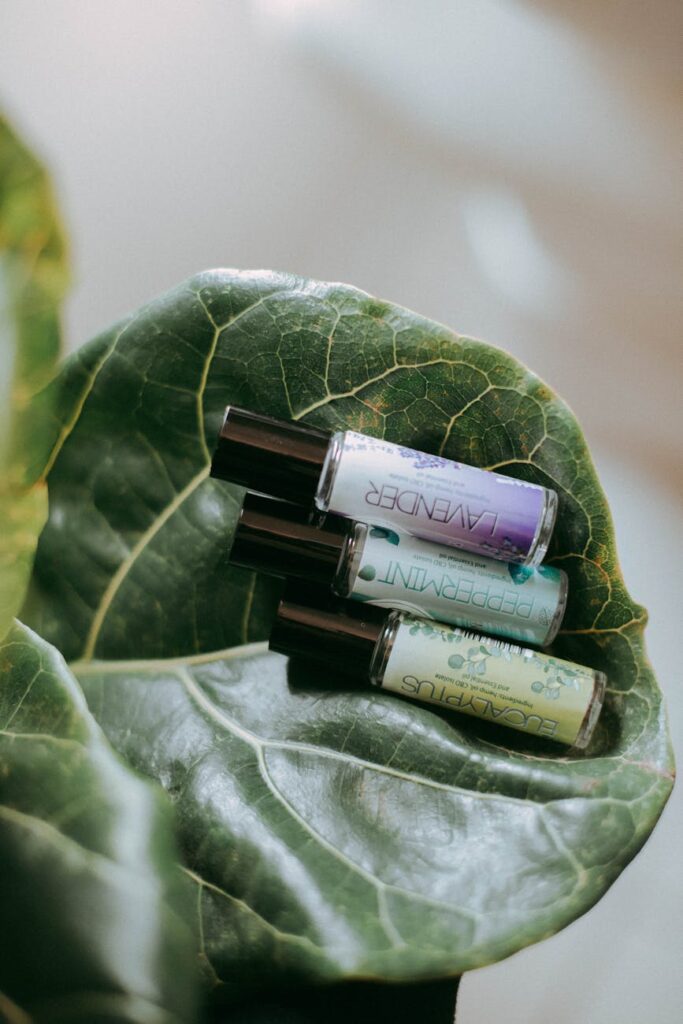
Is Aromatherapy Blends for Enhanced Creativity Safe? Uses, Benefits and Precautions
Introduction
Aromatherapy, the practice of using essential oils extracted from plants for therapeutic purposes, has gained traction in various wellness circles for its potential to enhance mental clarity, relaxation, and even creativity. As more individuals and professionals turn to aromatherapy blends to stimulate innovative thinking and artistic expression, it becomes vital to explore the safety, uses, and benefits of these blends specifically designed for enhanced creativity. This article aims to provide a comprehensive overview of aromatherapy blends for creativity, their properties, applications, and safety considerations.
What Is Aromatherapy Blends for Enhanced Creativity?
Aromatherapy blends for enhanced creativity typically consist of a combination of essential oils that are believed to stimulate the mind and foster innovative thinking. These blends may include oils such as rosemary, peppermint, lemon, and basil, each known for specific aromatic properties that may help improve focus and mental clarity. The underlying principle of aromatherapy is that inhaling the scent of these essential oils can influence the brain’s limbic system, which is involved in emotions and mood regulation.
The creation of a blend involves combining various essential oils in specific proportions to enhance their collective effects. The idea is to formulate a synergy that supports creativity by promoting an open and relaxed state of mind. While the scientific evidence supporting these claims is still developing, many users report positive experiences.
Key Benefits and Properties
Enhanced Focus and Concentration
Certain essential oils, such as rosemary and peppermint, are known for their ability to enhance mental clarity and focus. Users often find that inhaling these scents can help clear mental fog, making it easier to concentrate on creative tasks.
Mood Elevation
Essential oils like sweet orange and bergamot can uplift mood and reduce feelings of anxiety or stress. A positive emotional state is often conducive to creative thinking, and these oils may help to establish an environment where creativity can flourish.
Stress Relief
Stress can be a significant barrier to creativity. Oils such as lavender and ylang-ylang are often used for their calming properties, helping to create a relaxed atmosphere that can allow creative thoughts to emerge more freely.
Inspiration and Motivation
Citrus oils, particularly lemon and lime, are often associated with feelings of freshness and energy. These oils can inspire motivation and stimulate the desire to engage in creative endeavors.
Common Uses
Aromatherapy blends designed for creativity can be used in various contexts, including:
- Workspaces: Diffusing essential oils in offices or studios to create an inspiring work environment.
- Creative Sessions: Applying blends during brainstorming sessions, writing, or artistic endeavors to enhance flow and inspiration.
- Personal Reflection: Using these blends during meditation or quiet time to open the mind to new ideas.
- Social Gatherings: Employing aromas in creative workshops or gatherings to stimulate group creativity and collaboration.
Aromatherapy Applications
Diffusion
One of the most popular methods of using aromatherapy blends is through diffusion. A diffuser disperses the essential oils into the air, allowing users to inhale their aromatic properties. This method is effective in creating a conducive atmosphere for creativity, especially in communal settings.
Topical Application
Some users prefer to apply diluted essential oils directly to their skin. This method typically involves mixing essential oils with a carrier oil, such as jojoba or sweet almond oil, to avoid skin irritation. Applying these blends to pulse points, such as wrists or temples, can provide a more direct and immediate effect.
Inhalation
Inhalation is another straightforward method, where a few drops of essential oil blend are placed on a cotton ball or inhaler stick. Users can simply inhale the scent whenever they feel the need for a creativity boost.
Bathing
Adding aromatherapy blends to bathwater can provide a relaxing and inspiring experience. The warm water helps to release the oils into the air, creating a fragrant environment that can enhance creative thinking.
Safety Considerations
While many users enjoy the benefits of aromatherapy, it is crucial to approach essential oils with caution. Here are some safety considerations:
Skin Sensitivity
Essential oils are potent substances, and some individuals may experience skin irritation or allergic reactions. It is advisable to perform a patch test before applying any blend to a larger area of skin. If irritation occurs, discontinue use immediately.
Quality of Oils
The purity and quality of essential oils can vary widely. It is essential to purchase oils from reputable sources that provide information about their extraction methods and ingredients. Look for oils labeled as 100% pure, organic, and free from synthetic additives.
Pregnancy and Nursing
Pregnant or nursing individuals should exercise caution when using essential oils. Some oils may not be safe for use during pregnancy and could affect both the mother and the child. Consulting a healthcare professional before use is recommended.
Children and Pets
Certain essential oils can be harmful to children and pets. Keep all essential oils out of reach and consult reliable sources for recommendations on safe oils for use around children and animals.
Inhalation Risks
While inhalation is a popular method, excessive exposure to strong scents can lead to headaches or respiratory irritation in some individuals. Moderation is key; it is advisable to use essential oils in well-ventilated areas and avoid over-diffusing.
Storage and Shelf Life
Proper storage of essential oils is crucial for maintaining their integrity and effectiveness. Essential oils should be stored in a cool, dark place away from direct sunlight and heat sources. Ideally, oils should be kept in amber or cobalt glass bottles to protect them from light exposure.
The shelf life of essential oils varies, but most oils can last between 1-3 years when stored correctly. Citrus oils tend to have shorter shelf lives, while oils like patchouli and sandalwood can improve with age.
Frequently Asked Questions
Can aromatherapy blends really enhance creativity?
While many users report positive experiences with aromatherapy blends, scientific research is still developing. The aromatic properties of certain essential oils may help improve focus, reduce stress, and elevate mood, which can create an environment conducive to creativity.
How do I choose the right blend for creativity?
Selecting a blend depends on personal preference and desired effects. Consider oils known for their stimulating or calming properties, and experiment with different combinations to find what resonates with you.
Are there any essential oils I should avoid?
Some essential oils, such as those derived from certain herbs or spices, may not be suitable for everyone. It is advisable to research the properties of specific oils and consult reliable sources or professionals if you have concerns.
How long does the effect of an aromatherapy blend last?
The duration of effect can vary based on the method of application, the type of oil used, and individual sensitivity. Generally, the effects may last for several minutes to a few hours, depending on the circumstances.
Is it safe to use essential oils in a workplace setting?
Using essential oils in a workplace setting can be beneficial, but it is essential to consider the preferences and sensitivities of coworkers. Ensure proper ventilation and avoid overwhelming scents that could lead to discomfort.
Conclusion
Aromatherapy blends for enhanced creativity present an intriguing option for individuals seeking to stimulate their imaginative faculties. While the anecdotal evidence supporting their efficacy is compelling, it is essential to approach these blends with an understanding of their properties, uses, and safety considerations. By exercising caution and making informed choices, users can harness the potential of essential oils to foster a creative environment that nurtures innovation and artistic expression.