
Is Aromatherapy Blends for Enhanced Mindfulness Safe? Uses, Benefits and Precautions
Introduction
Aromatherapy is a holistic healing practice that utilizes plant-derived essential oils to promote physical, emotional, and mental well-being. In recent years, the use of aromatherapy blends specifically designed for enhanced mindfulness has gained popularity. Mindfulness, a mental state achieved by focusing one’s awareness on the present moment, can significantly improve emotional regulation and reduce stress. This article explores the nature of aromatherapy blends for mindfulness, their benefits, common uses, and important safety considerations.
What Is Aromatherapy Blends for Enhanced Mindfulness?
Aromatherapy blends for enhanced mindfulness are carefully formulated combinations of essential oils that are believed to help individuals focus their minds and cultivate a heightened sense of awareness. These blends typically include oils that are known for their calming, uplifting, or centering properties. Common ingredients may include lavender, bergamot, frankincense, and sandalwood, among others.
The practice of using essential oils for mindfulness often involves inhalation, topical application, or diffusion. Each method allows the aromatic compounds to interact with the body and mind, potentially facilitating a deeper state of relaxation and concentration.
Key Benefits and Properties
The benefits of aromatherapy blends for mindfulness can be multifaceted. Here are some key properties associated with various essential oils used in these blends:
1. Calming: Oils such as lavender and chamomile are renowned for their calming effects, helping to alleviate anxiety and promote relaxation.
2. Uplifting: Citrus oils like bergamot and sweet orange are often included for their uplifting properties. They can help lift the mood and increase feelings of happiness and well-being.
3. Focusing: Essential oils like rosemary and peppermint are believed to enhance concentration and mental clarity, making them ideal for mindfulness practices.
4. Grounding: Oils such as frankincense and vetiver can aid in grounding the mind, fostering a sense of stability and peace during meditation or mindfulness exercises.
Common Uses
Aromatherapy blends for mindfulness can be employed in various contexts, including:
- Meditation: Enhancing the meditation experience by creating a calming environment or helping to clear the mind.
- Yoga: Utilizing essential oils to deepen the practice and promote relaxation during yoga sessions.
- Stress Relief: Incorporating blends into daily routines as a form of stress management, particularly during busy or overwhelming times.
- Sleep Aid: Using calming blends before bedtime to promote a restful night’s sleep and improve overall well-being.
- Dark Glass Containers: Essential oils should be stored in dark glass bottles to protect them from light degradation.
- Cool, Dry Place: Keep oils in a cool, dry environment, away from direct sunlight and heat sources.
- Shelf Life: Most essential oils have a shelf life of 1 to 3 years, though citrus oils may have a shorter lifespan. Regularly check for changes in color, scent, or viscosity.
Aromatherapy Applications
There are several methods for applying aromatherapy blends for enhanced mindfulness, each with its unique approach:
1. Diffusion: Using an essential oil diffuser allows the aromatic compounds to disperse into the air, creating a fragrant atmosphere conducive to mindfulness and relaxation.
2. Topical Application: Essential oils can be diluted in carrier oils and applied to pulse points, such as wrists, neck, or temples. This method allows the user to benefit from both inhalation and skin absorption.
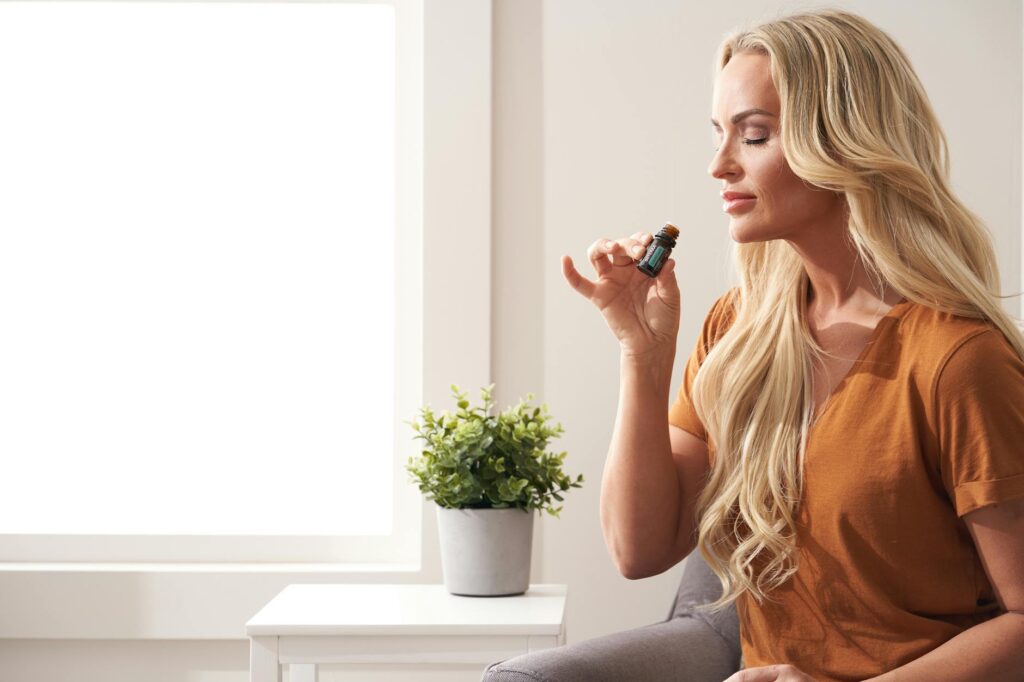
3. Inhalation: Simply inhaling the aroma directly from the bottle or placing a few drops on a tissue can provide immediate access to the beneficial properties of the oils.
4. Bathing: Adding essential oils to a warm bath can create a serene, calming environment, enhancing the overall mindfulness experience.
5. Massage: Incorporating aromatherapy blends into massage practices can enhance relaxation and further promote mindfulness.
Safety Considerations
While aromatherapy can offer various benefits, it is essential to consider safety precautions:
1. Dilution: Essential oils are highly concentrated and should always be diluted in a carrier oil before topical application to prevent skin irritation.
2. Patch Test: Conducting a patch test on a small area of skin can help identify any allergic reactions to specific oils.
3. Pregnancy and Medical Conditions: Pregnant individuals or those with medical conditions should consult with a healthcare provider before using essential oils.
4. Quality of Oils: It is crucial to use high-quality, pure essential oils from reputable sources to ensure safety and efficacy.
5. Inhalation: While inhalation is generally safe, excessive exposure to certain oils may cause headaches or nausea. Moderation is key.
Storage and Shelf Life
Proper storage of essential oils is vital for maintaining their efficacy. Here are some guidelines:
Frequently Asked Questions
1. Can anyone use aromatherapy blends for mindfulness?
While many people can benefit from aromatherapy blends, individuals with certain allergies, skin sensitivities, or medical conditions should exercise caution. Consulting a healthcare provider is advisable for those with specific health concerns.
2. How do I choose the right blend for mindfulness?
Selecting the right blend depends on personal preference and desired effects. Experimenting with different oils and blends can help identify which ones resonate most and facilitate a sense of mindfulness.
3. Are there any side effects associated with aromatherapy?
Some individuals may experience allergic reactions, skin irritation, or headaches from certain essential oils. It is essential to use oils safely and in moderation.
4. Can aromatherapy replace traditional therapy or medication?
Aromatherapy should be viewed as a complementary practice rather than a replacement for traditional medical treatments or therapy. It can enhance well-being when used alongside other therapeutic approaches.
5. How often should I use aromatherapy blends for mindfulness?
Usage frequency can vary based on individual preferences and needs. Some may find daily use beneficial, while others may prefer occasional use during meditation or stressful situations.
Conclusion
Aromatherapy blends for enhanced mindfulness offer a holistic approach to improving mental clarity, emotional balance, and overall well-being. By understanding the properties, uses, and safety considerations associated with these blends, individuals can incorporate them into their mindfulness practices effectively. As with any holistic approach, personal experimentation and caution are essential for a safe and rewarding experience.