
Is Aromatherapy Blends for Focus and Concentration Safe? Uses, Benefits and Precautions
Introduction
Aromatherapy, a holistic healing practice that utilizes natural plant extracts, has garnered significant attention for its potential benefits. Among the various applications of aromatherapy, blends designed to enhance focus and concentration have become particularly popular. This article explores the nature of these blends, their benefits, common uses, applications, safety considerations, and essential storage information.
What Is Aromatherapy Blends for Focus and Concentration?
Aromatherapy blends for focus and concentration typically consist of essential oils known for their stimulating and clarifying properties. These oils are derived from various plants, including leaves, flowers, bark, and roots, and are often combined to create synergistic effects. Common essential oils included in these blends are:
- Peppermint: Often used for its invigorating scent, peppermint is believed to enhance mental clarity.
- Lemon: Known for its uplifting aroma, lemon oil may help improve mood and concentration.
- Rosemary: Traditionally associated with memory enhancement, rosemary is thought to stimulate cognitive functions.
- Basil: This oil is often included for its purported ability to reduce mental fatigue.
- Home: Many individuals use these blends in diffusers to create a focused environment while studying or completing household tasks.
- Workplace: Professionals often incorporate aromatherapy into their workspace to enhance productivity and mental clarity.
- Educational Settings: Students may use these blends during study sessions to improve retention and focus.
- Personal Development: Many people incorporate these oils into their daily routines, such as during meditation or yoga, to enhance mindfulness and concentration.
- Cool, Dark Place: Store essential oils in a cool, dark environment, away from direct sunlight and heat sources. A cabinet or drawer is ideal.
- Tightly Sealed Bottles: Ensure that bottles are tightly sealed to prevent oxidation and evaporation.
- Original Packaging: Keep oils in their original packaging, as the dark glass bottles often protect them from light degradation.
- Expiration Dates: Essential oils do have a shelf life, which varies by type. While some oils can last for years, others may degrade more quickly. It is best to check for any changes in scent or consistency and dispose of any oils that have expired or show signs of deterioration.
These blends are popular among students, professionals, and anyone seeking to achieve a heightened state of alertness.
Key Benefits and Properties
Aromatherapy blends for focus and concentration offer several potential benefits:
1. Enhanced Cognitive Function: Some studies suggest that specific essential oils may improve attention, memory, and overall cognitive performance.
2. Mood Enhancement: Many of these oils have uplifting properties that can help reduce anxiety and stress, contributing to a more conducive environment for focus.
3. Increased Energy Levels: Certain oils, like peppermint and citrus varieties, are known for their energizing effects, which can help combat fatigue.
4. Stress Reduction: Aromatherapy can create a calming atmosphere that reduces workplace or study-related stress, allowing for better concentration.
5. Improved Air Quality: When diffused, essential oils can purify the air, potentially enhancing the overall environment in which one is working or studying.
Common Uses
Aromatherapy blends for focus and concentration can be employed in various settings, including:
Aromatherapy Applications
There are several ways to apply aromatherapy blends for focus and concentration, including:
Diffusion
Using a diffuser is one of the most popular methods for dispersing essential oils into the air. By adding a few drops of the blend to a diffuser filled with water, users can enjoy the aromatic benefits throughout a room.
Inhalation
For immediate effects, inhaling essential oils directly from the bottle or from a personal inhaler can provide a quick boost in focus. This method is particularly useful for those on the go.
Topical Application
Diluting essential oils in a carrier oil (such as coconut or jojoba oil) and applying them to pulse points may enhance their effects. Common areas for application include the wrists, temples, and neck.
Bathing
Adding a few drops of the blend to a warm bath can create a relaxing atmosphere, perfect for unwinding while also stimulating mental clarity.
Safety Considerations
While aromatherapy blends can offer various benefits, it is essential to approach their use with caution. Here are some important safety considerations:
1. Skin Sensitivity: Essential oils are highly concentrated and can cause skin irritation or allergic reactions in some individuals. Conduct a patch test by applying a small diluted amount to an inconspicuous area before widespread use.
2. Pregnancy and Nursing: Certain essential oils may not be safe during pregnancy or breastfeeding. Always consult with a healthcare professional before using any essential oils during these times.
3. Age Considerations: The safety of essential oils for children varies widely. Some oils may be too potent for young ones, and proper dilution is crucial. Consult a qualified professional for guidance.
4. Medical Conditions: Individuals with certain medical conditions (like asthma or epilepsy) should consult a healthcare provider before using essential oils, as some may exacerbate symptoms.
5. Quality of Oils: The quality of essential oils can vary significantly. Always choose high-quality, pure oils from reputable sources to ensure safety and efficacy.
6. Avoid Ingestion: Essential oils should not be ingested unless under the guidance of a qualified aromatherapist or healthcare professional. Many oils can be toxic if swallowed.
Storage and Shelf Life
Proper storage of essential oils is vital for maintaining their potency and effectiveness. Here are some tips:
Frequently Asked Questions
1. Can I mix different essential oils together to create my blend?
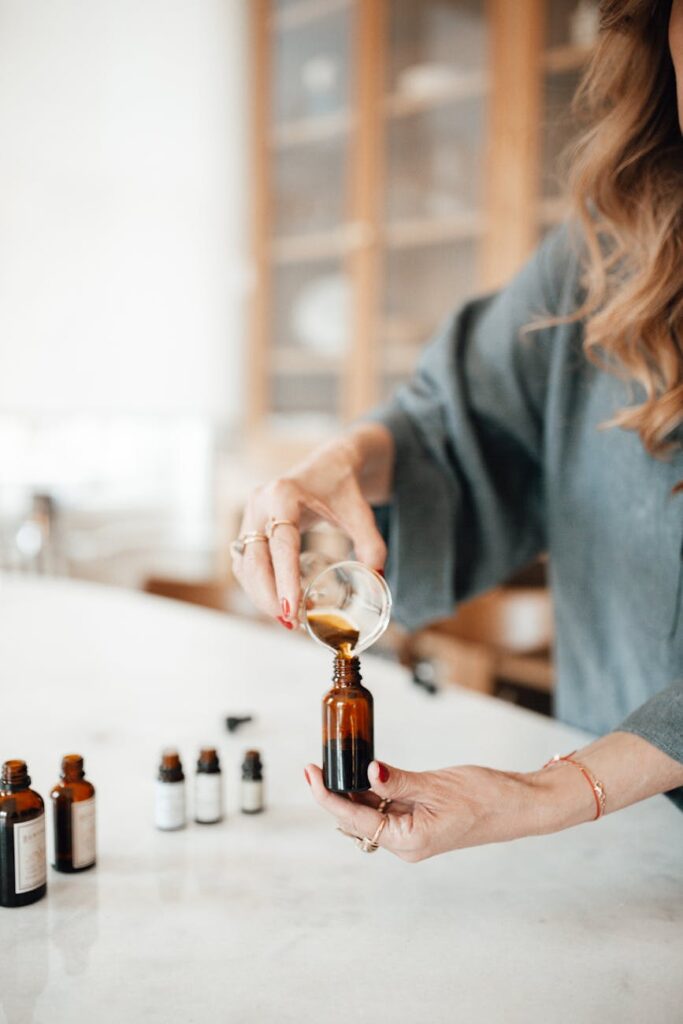
Yes, many individuals enjoy creating their own custom blends by combining various essential oils. Experimenting with different combinations can lead to unique aromas that suit personal preferences.
2. How often can I use aromatherapy blends for focus and concentration?
The frequency of use can vary depending on individual preferences and sensitivities. Many users find that diffusing oils for a few hours at a time or applying them as needed works best.
3. Are there any specific essential oils that are particularly effective for focus?
While effectiveness can vary from person to person, essential oils like peppermint, lemon, rosemary, and basil are commonly cited for their potential to enhance focus and concentration.
4. Can I use aromatherapy blends in conjunction with other therapies or treatments?
Aromatherapy can often complement other holistic practices, but it is advisable to consult with a healthcare provider or qualified aromatherapist to ensure compatibility with other treatments.
5. Is it safe to use essential oils around pets?
Some essential oils can be toxic to pets, particularly cats and dogs. It is essential to research specific oils and consult with a veterinarian if you plan to use aromatherapy in a home with pets.
Conclusion
Aromatherapy blends designed for focus and concentration offer a promising avenue for enhancing mental clarity and productivity. With a variety of essential oils available, individuals can find combinations that resonate with their personal needs and preferences. However, as with any holistic practice, it is essential to approach aromatherapy with informed caution, considering safety guidelines and personal sensitivities. By understanding the uses, benefits, and precautions associated with these blends, users can create enriching, focused environments that support their daily activities.