
Is Aromatherapy Blends for Immune System Recovery Safe? Uses, Benefits and Precautions
Introduction
Aromatherapy, a holistic healing practice, utilizes essential oils extracted from plants to promote physical, emotional, and mental well-being. Among its myriad applications, one area of growing interest is the use of aromatherapy blends to support immune system recovery. As individuals increasingly seek natural remedies to bolster their health, understanding these aromatic compounds and their potential benefits becomes essential.
This article delves into the nature of aromatherapy blends designed for immune support, exploring their benefits, common uses, and safety considerations.
What Is Aromatherapy Blends for Immune System Recovery?
Aromatherapy blends for immune system recovery consist of specific combinations of essential oils aimed at enhancing the body’s natural defenses. These blends often include oils known for their antiseptic, antiviral, and anti-inflammatory properties. Typical essential oils used in these blends may include eucalyptus, tea tree, lavender, and lemon, among others.
The rationale behind using these essential oils lies in their ability to interact with the body’s olfactory system and potentially influence physiological responses. When inhaled or absorbed through the skin, these oils may promote relaxation, reduce stress, and support overall wellness—all of which can be beneficial during times of illness or recovery.
Key Benefits and Properties
Immune Support
Certain essential oils are believed to possess immune-boosting properties. For instance, tea tree oil has demonstrated antimicrobial effects in various studies. Similarly, oils like oregano and thyme are noted for their potential antifungal and antibacterial properties, which can be particularly helpful in warding off infections.
Anti-inflammatory Effects
Many essential oils exhibit anti-inflammatory characteristics, helping to reduce swelling and discomfort. Lavender oil, for example, is often used for its calming effects and may help alleviate symptoms associated with inflammation.
Stress Reduction
Chronic stress can weaken the immune system, making individuals more susceptible to illness. Aromatherapy blends that include calming oils, such as bergamot and chamomile, can help reduce anxiety and promote a sense of well-being, indirectly supporting immune function.
Respiratory Support
Several essential oils, such as eucalyptus and peppermint, are known for their ability to support respiratory health. These oils can help clear congestion, making breathing easier and supporting the body during recovery.
Common Uses
Aromatherapy blends designed for immune support can be utilized in various ways:
Inhalation
Inhaling essential oils is one of the most common methods of use. This can be achieved through diffusers, inhalers, or simply by adding a few drops of oil to a bowl of hot water and inhaling the steam.
Topical Application
When diluted with a carrier oil, essential oils can be applied directly to the skin. This method is often used on pulse points or areas of discomfort. Popular carrier oils include coconut oil, jojoba oil, and sweet almond oil.
Baths
Adding essential oils to bathwater can create a relaxing environment while providing skin absorption. Epsom salts can be mixed with essential oils for enhanced benefits.
Household Products
Some individuals incorporate essential oils into homemade cleaning products, benefiting from their antimicrobial properties. This can be particularly useful in maintaining a clean environment, which may help reduce the spread of germs.
Aromatherapy Applications
Diffusion
Using a diffuser is one of the most effective ways to disperse essential oils in a room. This method allows the aromatic molecules to fill the air, making it easy for individuals to inhale the beneficial compounds.
Inhalers
Personal inhalers are portable devices that allow users to carry their chosen essential oils with them. They can be particularly useful for on-the-go applications, offering immediate relief from stress or discomfort.
Massage
Incorporating essential oils into massage can enhance relaxation and provide localized benefits. When blended with a carrier oil, the oils can be massaged into the skin, promoting circulation and soothing muscle tension.
Steam Inhalation
Adding essential oils to steaming water can create a therapeutic inhalant. This method can help clear sinuses and provide relief for respiratory issues, making it a popular choice during cold and flu season.
Safety Considerations
While aromatherapy blends for immune support can offer numerous benefits, safety is paramount. Here are some essential safety guidelines:
Skin Sensitivity
Essential oils are highly concentrated and can cause skin irritation if applied directly without dilution. Always mix essential oils with a carrier oil before topical application. A patch test on a small skin area is advisable to check for any adverse reactions.
Allergies
Individuals with allergies or sensitivities should exercise caution when using essential oils. It’s essential to research the specific oils and consult with a qualified professional when necessary.
Pregnancy and Nursing
Certain essential oils may not be safe for use during pregnancy or while nursing. Pregnant or nursing individuals should consult with a healthcare provider before using essential oils.
Ingestion
While some essential oils are safe for ingestion, many are not. Ingesting essential oils can lead to serious health complications, including toxicity. Always consult with a qualified healthcare professional before considering internal use.
Children and Pets
When using essential oils around children or pets, extra caution is warranted. Some oils can be harmful to infants, young children, and certain animals. It is advisable to research specific oils and their safety profiles for these populations.
Storage and Shelf Life
Proper storage is crucial for maintaining the efficacy and safety of essential oils. Here are some guidelines:
Dark Glass Containers
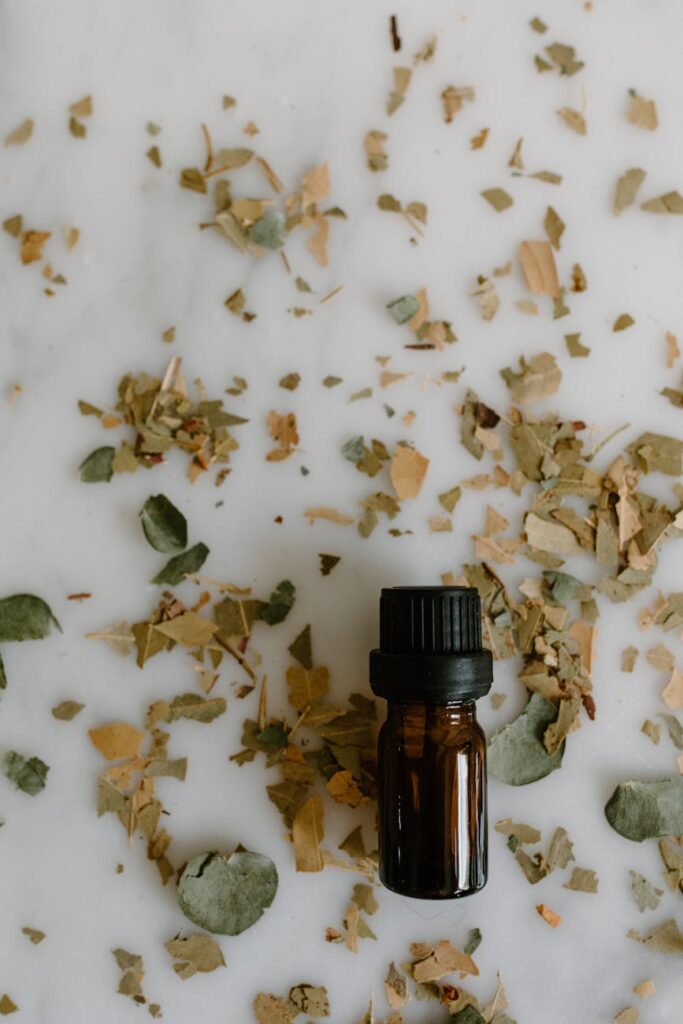
Essential oils should be stored in dark glass containers to protect them from light, which can degrade their quality.
Cool, Dry Place
Store essential oils in a cool, dry location, away from direct sunlight and heat sources. High temperatures can alter the chemical composition of the oils.
Shelf Life
Most essential oils have a shelf life ranging from 1 to 5 years, depending on the type of oil and storage conditions. Citrus oils tend to have a shorter shelf life, while oils like patchouli can last longer. Monitoring for changes in aroma, color, or consistency can help determine if an oil is still usable.
Frequently Asked Questions
Can aromatherapy blends cure illness?
While aromatherapy can support overall wellness and recovery, it is not a cure for illness. It should be used as a complementary approach alongside traditional medical treatments.
How do I choose the right essential oils for immune support?
Selecting essential oils depends on individual preferences and specific needs. Researching the properties of various oils can help identify those that align with your goals. Additionally, consulting with a qualified aromatherapist can provide personalized recommendations.
How often can I use aromatherapy blends?
The frequency of use may vary based on individual comfort and the specific oils used. Generally, aromatherapy can be enjoyed several times a day, but it is essential to listen to your body and adjust accordingly.
Are there any essential oils to avoid during recovery?
Certain oils may not be suitable during recovery, especially those known for their stimulating properties, such as cinnamon or clove. Always research individual oils and consult with a professional if in doubt.
Can I use aromatherapy blends alongside medications?
While many people use aromatherapy in conjunction with medications, it is essential to consult with a healthcare provider to ensure there are no potential interactions.
Conclusion
Aromatherapy blends for immune system recovery can serve as a valuable tool in promoting well-being and supporting the body’s natural defenses. By understanding the benefits, common applications, and safety considerations of these aromatic compounds, individuals can make informed choices about their use. As always, consulting with a qualified professional is recommended to ensure a safe and effective approach to aromatherapy, particularly when addressing specific health concerns.