
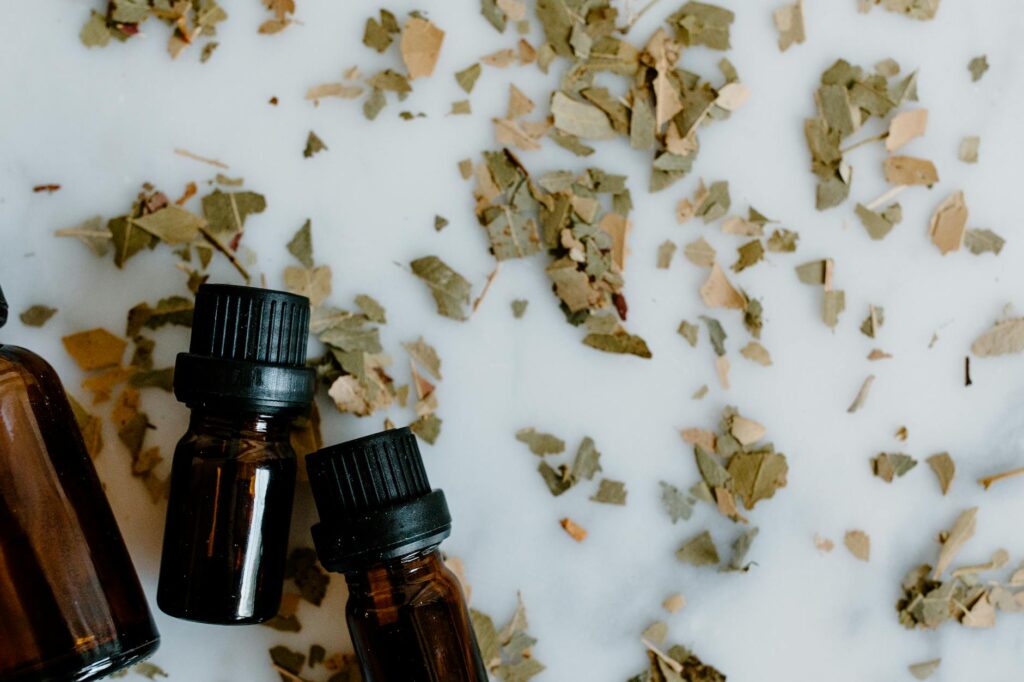
Is Aromatherapy Blends for Immune System Resilience Safe? Uses, Benefits and Precautions
Introduction
Aromatherapy is a holistic healing practice that utilizes the natural aromas of essential oils extracted from plants to promote physical and emotional well-being. Among its various applications, aromatherapy blends aimed at enhancing immune system resilience have gained significant attention. Enthusiasts and practitioners alike often explore these blends for their potential benefits, particularly in times of seasonal illness. However, understanding the safety and efficacy of these blends is crucial for anyone considering their use. This article delves into the essence of aromatherapy blends for immune resilience, their benefits, applications, and key safety considerations.
What Is Aromatherapy Blends for Immune System Resilience?
Aromatherapy blends for immune system resilience typically combine several essential oils known for their supportive properties. These oils are selected based on their historical use and research-backed attributes that may bolster the immune system. Common oils used in these blends include eucalyptus, tea tree, lemon, and lavender, among others. Each oil possesses distinct characteristics that contribute to the overall effectiveness of the blend.
These essential oils can be inhaled or applied topically, allowing their therapeutic benefits to enter the body and promote a sense of well-being. Aromatherapy focuses on the notion that scents can evoke physiological and psychological responses, making it a popular choice for individuals seeking natural alternatives to support their health.
Key Benefits and Properties
The benefits of aromatherapy blends for immune resilience can be attributed to several properties of essential oils:
1. Antimicrobial Properties: Many essential oils possess natural antimicrobial qualities that can help combat common pathogens. For instance, tea tree oil has been studied for its antibacterial and antifungal properties.
2. Anti-inflammatory Effects: Certain essential oils, such as eucalyptus and lavender, may help reduce inflammation, which can be beneficial in maintaining overall health.
3. Stress Reduction: Stress can negatively impact the immune system. Oils like lavender and chamomile are known for their calming effects, which can help lower stress levels and promote relaxation.
4. Respiratory Support: Oils such as eucalyptus and peppermint may help clear the respiratory tract, making it easier to breathe and thus supporting overall wellness.
5. Mood Enhancement: The uplifting scents of citrus oils like lemon and orange can help improve mood, which is essential for maintaining a healthy immune system.
Common Uses
Aromatherapy blends for immune resilience can be employed in various ways, depending on individual preferences and the specific blend being used. Common applications include:
- Diffusion: Adding a few drops of the blend to a diffuser can fill a room with therapeutic scents, promoting a calming and uplifting environment.
- Topical Application: Diluting essential oils with a carrier oil (such as jojoba or coconut oil) allows for safe topical application on pulse points or areas of concern.
- Inhalation: Direct inhalation from the bottle or placing a few drops on a tissue can deliver immediate aromatic benefits.
- Bathing: Adding essential oils to a warm bath can provide both inhalation and skin absorption, creating a multi-faceted therapeutic experience.
- Massage: Incorporating the blends into a massage can enhance relaxation and provide localized benefits.
- Cool, Dark Place: Store essential oils in a cool, dark place away from direct sunlight and heat sources. This helps prevent degradation.
- Airtight Containers: Use dark glass bottles to protect the oils from light and air exposure. Ensure that bottles are tightly sealed when not in use.
- Shelf Life: Essential oils vary in shelf life depending on their composition. Most oils last from 1 to 3 years, while citrus oils may have a shorter lifespan. Regularly check for changes in scent, color, or consistency to determine if the oil has expired.
Aromatherapy Applications
When considering aromatherapy blends for immune resilience, various formulations are available, each tailored to specific needs. Here are a few common blends and their applications:
1. Respiratory Blend: Combining eucalyptus, peppermint, and tea tree oils can aid in respiratory function. This blend is often used during cold and flu season or in environments with allergens.
2. Stress Relief Blend: A mix of lavender, chamomile, and bergamot can help alleviate stress and promote emotional balance, which is vital for immune health.
3. Citrus Energizer: A blend of lemon, orange, and grapefruit can uplift mood and invigorate the spirit, potentially enhancing overall wellness.
4. Anti-Inflammatory Blend: Oils like frankincense, ginger, and turmeric may be combined to help manage inflammation and support immune function.
5. Seasonal Support: A blend of lemon, lavender, and eucalyptus can be beneficial during allergy seasons, helping to relieve symptoms and promote a sense of calm.
Safety Considerations
While aromatherapy can be a beneficial practice, it is essential to observe safety precautions:
1. Dilution: Essential oils are concentrated substances and should be diluted with a carrier oil for topical use to prevent skin irritation.
2. Allergic Reactions: Conduct a patch test before using a new essential oil. Apply a small amount of the diluted oil to a small area of skin and monitor for any adverse reactions.
3. Pregnancy and Nursing: Certain essential oils may not be safe during pregnancy or breastfeeding. Always consult with a qualified practitioner before use.
4. Medical Conditions: Individuals with certain medical conditions (such as asthma or epilepsy) should exercise caution and consult a healthcare professional before using specific essential oils.
5. Children and Pets: Essential oils can be potent and may not be suitable for young children or pets. Ensure that any blends used in their vicinity are safe and diluted appropriately.
6. Quality of Essential Oils: The efficacy and safety of aromatherapy depend significantly on the quality of the essential oils used. Choose reputable brands that provide information on sourcing and testing.
Storage and Shelf Life
Proper storage of essential oils is crucial for maintaining their potency and safety. Here are some guidelines:
Frequently Asked Questions
1. Can essential oils cure illnesses?
While essential oils can support overall well-being, they are not cures for illnesses. Aromatherapy can complement other health practices but should not replace medical treatment.
2. How do I choose the right blend for my needs?
Consider your specific concerns, such as stress, respiratory health, or mood enhancement. Research the properties of different essential oils and consult reputable sources or practitioners for guidance.
3. Can I blend my own essential oils?
Yes, blending essential oils can be a rewarding practice. Start with a few oils that complement each other and experiment with different ratios. Always ensure proper dilution and conduct patch tests before applying new blends.
4. Are there any essential oils to avoid?
Some essential oils may not be suitable for certain individuals, particularly those with specific health conditions or sensitivities. Oils such as wintergreen, clary sage, and rosemary may have contraindications. Always do your research or consult a professional before use.
5. How often can I use aromatherapy blends?
The frequency of use can vary based on individual preference and the specific blend. Generally, aromatherapy can be enjoyed daily, but it’s important to listen to your body and adjust usage as needed.
Conclusion
Aromatherapy blends for immune system resilience offer a natural approach to supporting wellness and well-being. While many find these blends beneficial for their potential to enhance mood, reduce stress, and provide respiratory support, it is crucial to approach their use with care and consideration. By understanding the properties, applications, and safety precautions associated with essential oils, individuals can make informed choices that align with their health goals. As with any complementary health practice, integrating aromatherapy into a broader wellness routine can lead to a holistic approach to health and vitality.