
Is Aromatherapy Blends for Immune System Support Enhancement Safe? Uses, Benefits, and Precautions
Introduction
Aromatherapy is an ancient practice that utilizes essential oils derived from plants to enhance physical, emotional, and psychological well-being. Among its various applications, the use of aromatherapy blends for immune system support has gained considerable attention. As environmental stressors and pathogens continue to challenge our immune systems, many individuals are exploring natural alternatives to bolster their health. This article delves into the nature of aromatherapy blends aimed at immune system enhancement, their benefits, common uses, and essential safety considerations.
What Is Aromatherapy Blends for Immune System Support Enhancement?
Aromatherapy blends for immune system support typically consist of various essential oils known for their potential immune-boosting properties. These oils are extracted from different parts of plants—such as leaves, flowers, roots, and bark—through processes like steam distillation or cold pressing. Common essential oils used in these blends include eucalyptus, tea tree, lavender, and lemon, among others.
The rationale behind these blends is that the aromatic compounds in essential oils can interact with the body’s systems, potentially influencing immune responses. However, it is essential to note that while these blends can contribute to overall wellness, they are not a substitute for medical treatment or professional healthcare advice.
Key Benefits and Properties
1. Antimicrobial Properties: Many essential oils possess natural antimicrobial qualities, which can help combat pathogens. For example, tea tree oil is well-known for its antibacterial and antifungal properties.
2. Anti-inflammatory Effects: Some essential oils can reduce inflammation, which is beneficial for maintaining immune health. Oils like frankincense and myrrh have been studied for their anti-inflammatory effects, which may support overall immune function.
3. Stress Reduction: Aromatherapy is often employed for its calming effects. Reducing stress can positively influence immune health, as chronic stress is known to weaken the immune system. Oils like lavender and chamomile are frequently used for their soothing properties.
4. Respiratory Support: Certain essential oils, such as eucalyptus and peppermint, can facilitate respiratory health, making it easier to breathe. Improved respiratory function can contribute to overall immune efficacy.
5. Mood Enhancement: The uplifting scents of citrus oils, like lemon and orange, can enhance mood and promote a sense of well-being. Emotional health is intricately linked to physical health, including immune function.
Common Uses
Aromatherapy blends for immune system support can be used in various ways, including:
1. Diffusion: Using an essential oil diffuser allows the aromatic compounds to disperse into the air, creating a pleasant and potentially health-promoting environment.
2. Topical Application: Diluting essential oils in carrier oils, such as coconut or jojoba oil, enables safe application on the skin. This method can target specific areas, such as the chest for respiratory support.
3. Inhalation: Inhaling essential oils directly from the bottle or a cotton ball can provide immediate benefits. This method is often used for quick stress relief or respiratory support.
4. Bathing: Adding essential oils to bath water can create a holistic experience, promoting relaxation and enhancing mood while simultaneously providing potential immune support.
5. Homemade Products: Many people incorporate essential oils into homemade cleaning products, personal care items, and even food (in culinary-grade oils), adding both aroma and potential health benefits.
Aromatherapy Applications
Essential Oil Blends for Immune Support
Several popular blends have been formulated for immune system enhancement. These may include combinations of the following essential oils:
- Eucalyptus: Known for its respiratory benefits, eucalyptus can help clear the airways.
- Tea Tree: Renowned for its antibacterial and antifungal properties.
- Lemon: Acts as a natural disinfectant and mood enhancer.
- Thyme: Contains compounds that may support immune function.
- Oregano: Well-known for its potential antiviral properties.
- 5 drops of eucalyptus oil
- 5 drops of tea tree oil
- 5 drops of lemon oil
- 10 ml of a carrier oil (e.g., jojoba or sweet almond oil)
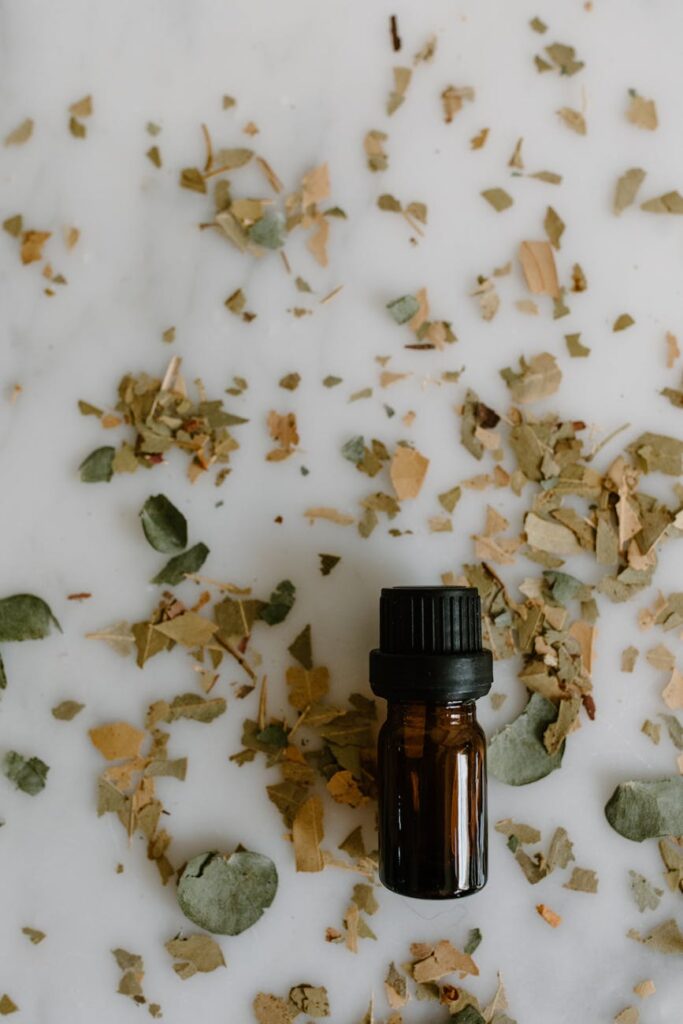
- Dark Glass Containers: Store essential oils in dark glass bottles to protect them from light, which can degrade their quality.
- Cool, Dry Place: Keep oils in a cool, dry location away from direct sunlight and heat sources.
- Shelf Life: The shelf life of essential oils varies; citrus oils typically last about 1-2 years, while oils like patchouli and vetiver can last much longer. Always check for signs of degradation, such as changes in color or smell.
Creating Custom Blends
For those interested in crafting personalized blends, a simple recipe might involve:
Always ensure proper dilution, as essential oils are highly concentrated.
Safety Considerations
While aromatherapy blends can offer various benefits, safety should always be a priority. Consider the following precautions:
1. Dilution: Essential oils are potent and should always be diluted before topical application. A common dilution ratio is 2-3% for adults (approximately 10-15 drops of essential oil per ounce of carrier oil).
2. Patch Testing: Before using a new essential oil blend, conduct a patch test by applying a small amount on the skin to check for any allergic reactions.
3. Pregnancy and Nursing: Pregnant or nursing individuals should exercise caution and consult with a healthcare professional before using essential oils.
4. Children and Pets: Certain essential oils can be harmful to children and pets. Always verify which oils are safe for various age groups and animal species.
5. Pre-existing Conditions: Individuals with specific health conditions or those on medications should consult a healthcare provider prior to using essential oils, as interactions may occur.
6. Quality of Oils: Ensure that the essential oils used are of high quality and sourced from reputable suppliers. Look for oils that are pure and free from synthetic additives.
Storage and Shelf Life
Proper storage of essential oils is crucial for maintaining their efficacy. Follow these guidelines:
Frequently Asked Questions
Can aromatherapy blends replace medical treatments?
Aromatherapy blends can complement traditional medical treatments but should not replace them. Always consult healthcare professionals for medical advice and treatment.
How often can I use aromatherapy blends for immune support?
Frequency of use varies based on personal preference and the specific oils used. Generally, using them a few times a week for diffusion or topical application is considered safe for most individuals.
Are there any essential oils to avoid?
Certain essential oils may not be suitable for everyone, particularly during pregnancy or for individuals with specific health issues. Oils like rosemary and sage should be used with caution. Always do thorough research or consult a professional.
Can I use essential oils internally?
Some essential oils are safe for culinary use, but many are not intended for internal consumption. Always ensure that oils are labeled as food-grade and consult a professional before ingestion.
What are the best essential oils for stress relief?
Lavender, chamomile, and bergamot are commonly recognized for their calming properties and can be beneficial for stress relief.
Conclusion
Aromatherapy blends for immune system support can be a valuable addition to a holistic wellness routine. While they offer numerous benefits, it is crucial to approach their use with awareness and respect for individual health needs. By understanding the properties, applications, and safety considerations associated with these blends, individuals can make informed choices that enhance their overall well-being. Always remember that aromatherapy serves as a complementary practice and should not replace professional medical advice or treatment.