
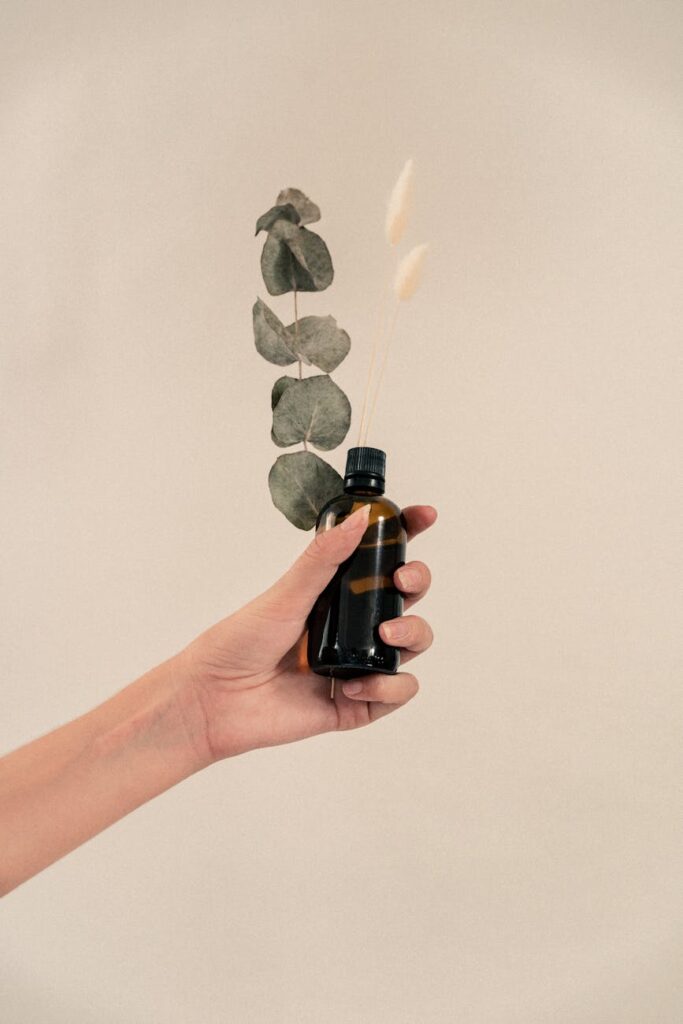
Is Aromatherapy Blends for Mindfulness Practices Safe? Uses, Benefits, and Precautions
Introduction
Aromatherapy is an ancient practice that utilizes essential oils derived from plants to promote physical, emotional, and psychological well-being. In recent years, the integration of aromatherapy into mindfulness practices has gained popularity, with many people seeking ways to enhance their meditation, yoga, and relaxation routines. This article explores whether aromatherapy blends used in mindfulness practices are safe, highlighting their uses, benefits, precautions, and more.
What Is Aromatherapy Blends for Mindfulness Practices?
Aromatherapy blends specifically designed for mindfulness practices combine various essential oils chosen for their distinct properties. These blends are intended to enhance the experience of mindfulness by promoting relaxation, focus, and emotional balance. When used during meditation, yoga, or deep breathing exercises, these aromas can create an environment conducive to introspection and presence.
Common essential oils used in these blends include lavender, bergamot, frankincense, and sandalwood, each offering unique characteristics that contribute to a more profound mindfulness experience.
Key Benefits and Properties
The benefits of using aromatherapy blends in mindfulness practices can be categorized into several key areas:
1. Stress Reduction
Essential oils like lavender and chamomile are celebrated for their calming effects. Inhaling these scents can aid in reducing stress and anxiety, allowing practitioners to enter a more relaxed state.
2. Enhanced Focus
Certain oils, such as peppermint and rosemary, are known for their invigorating properties. They can help clear the mind and promote concentration, making them ideal for meditation or focused practices.
3. Emotional Balance
Aromatherapy blends can assist in balancing emotions. Oils such as ylang-ylang and geranium are often used to uplift mood and foster emotional stability, enhancing the overall mindfulness experience.
4. Improved Sleep Quality
For those practicing mindfulness before sleep, essential oils like cedarwood and vetiver can promote relaxation and lead to improved sleep quality, facilitating a more restorative rest.
5. Connection to Nature
Using natural plant extracts in mindfulness practices fosters a deeper connection to nature, which can enhance the experience of grounding and presence.
Common Uses
Aromatherapy blends can be employed in various mindfulness practices, including:
- Meditation: Diffusing calming essential oils can create a tranquil environment, aiding in reducing distractions.
- Yoga: Incorporating scents into yoga practice can enhance focus and deepen relaxation during poses.
- Breathing Exercises: Using essential oils during deep breathing can intensify the calming effects and facilitate a more profound connection to breath.
- Massage: Blending essential oils with carrier oils for massage can soothe muscles while promoting relaxation and mindfulness.
- Keep Away from Light: Store essential oils in dark glass containers to protect them from light degradation.
- Cool, Dry Place: A cool, dry environment helps preserve the integrity of the oils. Avoid storing them in humid areas like bathrooms.
- Tightly Sealed: Ensure containers are tightly sealed to prevent evaporation and contamination.
Aromatherapy Applications
There are several methods for applying aromatherapy blends in mindfulness practices:
1. Diffusion
Using a diffuser allows essential oils to disperse into the air, creating an aromatic environment. This method is particularly effective for larger spaces or group settings.
2. Inhalation
Direct inhalation of essential oils from the bottle or a cotton ball can provide immediate effects. This method is beneficial for quick stress relief or focus enhancement.
3. Topical Application
Diluting essential oils with a carrier oil and applying them to pulse points, such as wrists or temples, allows for a more personalized experience. Always conduct a patch test to check for skin sensitivity.
4. Bathing
Adding essential oils to bathwater can create a soothing, aromatic experience that promotes relaxation and mindfulness.
5. Candles and Incense
Aromatherapy candles and incense sticks can be employed to create a calming atmosphere, enhancing the overall mindfulness experience.
Safety Considerations
While aromatherapy blends can offer numerous benefits, it is crucial to approach their use with caution to ensure safety:
1. Dilution
Essential oils are highly concentrated and should always be diluted before topical application. A general guideline is to use a carrier oil, such as jojoba or coconut oil, to dilute essential oils to avoid skin irritation.
2. Quality of Essential Oils
The quality of essential oils can vary widely. It is advisable to choose pure, therapeutic-grade essential oils from reputable sources to ensure safety and efficacy.
3. Allergies and Sensitivities
Individuals should be aware of potential allergies or sensitivities to certain essential oils. Conducting a patch test before widespread use can help identify any adverse reactions.
4. Pregnancy and Medical Conditions
Pregnant individuals or those with specific medical conditions should consult a healthcare provider before using essential oils, as some oils may not be suitable for certain situations.
5. Children and Pets
Special care should be taken when using essential oils around children and pets. Some essential oils can be toxic or irritating to them, so it is essential to research and consult reliable sources.
Storage and Shelf Life
Proper storage of essential oils is vital for maintaining their potency and effectiveness. Here are some guidelines:
Essential oils typically have a shelf life of 1 to 3 years, depending on the type. Citrus oils may have a shorter shelf life, while some woody or resinous oils can last longer. Regularly check for changes in scent, texture, or color, as these may indicate degradation.
Frequently Asked Questions
1. Can I use aromatherapy blends if I have allergies?
If you have known allergies, it is crucial to research each essential oil in the blend and conduct a patch test before widespread use. Consulting with a healthcare provider is advisable if you have concerns.
2. Are there any essential oils I should avoid during pregnancy?
Certain essential oils, such as basil, sage, and rosemary, may not be suitable during pregnancy. It is essential to consult with a healthcare provider before using any essential oils if you are pregnant.
3. How do I choose the right aromatherapy blend for mindfulness?
Selecting the right blend depends on individual preferences and desired outcomes. Exploring different essential oils and blends can help you find what resonates best with your mindfulness practice.
4. Can I make my own aromatherapy blends?
Yes, creating your own blends can be a rewarding experience. Research essential oils that align with your goals, and experiment with different combinations while ensuring proper dilution.
5. How often should I use aromatherapy blends in my mindfulness practice?
The frequency of use depends on personal preference and individual goals. Some may incorporate aromatherapy daily, while others may use it as needed during specific mindfulness practices.
Conclusion
Aromatherapy blends for mindfulness practices can enhance relaxation, focus, and emotional balance when used safely and appropriately. Understanding the benefits, common uses, and necessary precautions can help individuals incorporate aromatherapy effectively into their mindfulness routines. As with any holistic practice, personal exploration and mindfulness are key to finding what works best for you.