
Is Aromatherapy Blends for Mood Enhancement Safe? Uses, Benefits and Precautions
Introduction
Aromatherapy, a holistic practice that utilizes essential oils extracted from plants, has gained popularity for its potential to enhance mood and emotional well-being. With the rise of interest in natural remedies and alternative therapies, many individuals are exploring the use of aromatherapy blends specifically designed for mood enhancement. This article will delve into the nature of these blends, their benefits, common uses, applications, safety considerations, and more.
What Is Aromatherapy Blends for Mood Enhancement?
Aromatherapy blends for mood enhancement are combinations of essential oils formulated to promote positive emotional states. These blends can vary widely, incorporating a range of oils known for their uplifting, calming, or balancing effects. Essential oils are highly concentrated plant extracts that capture the essence of the plant’s fragrance and therapeutic properties. Commonly used oils in mood-enhancing blends include lavender, bergamot, ylang-ylang, and citrus oils such as orange and lemon.
The practice of creating these blends typically aligns with the principles of aromatherapy, which emphasizes the connection between scent, emotion, and overall well-being. When inhaled or applied topically, these blends can stimulate the olfactory system and influence brain activity, potentially leading to improved mood states.
Key Benefits and Properties
Aromatherapy blends for mood enhancement offer several potential benefits, including:
1. Emotional Balance: Certain essential oils are known for their ability to stabilize emotions, helping to alleviate feelings of anxiety and depression. For example, bergamot is often highlighted for its uplifting properties.
2. Stress Relief: Many mood-enhancing blends contain oils that promote relaxation, such as lavender and chamomile. These oils can help reduce stress and create a sense of calm.
3. Improved Focus: Oils like peppermint and rosemary can enhance mental clarity and concentration, making them valuable in blends intended to boost productivity and cognitive function.
4. Sleep Enhancement: Some blends are designed to facilitate restful sleep, utilizing oils known for their calming effects, such as cedarwood and vetiver.
5. Invigoration: Citrus oils, such as grapefruit and lemon, are often included in blends to promote energy and optimism, making them suitable for morning routines.
Common Uses
Aromatherapy blends for mood enhancement can be used in various ways:
- Diffusion: Using an essential oil diffuser allows the aroma to fill a room, providing an ambient atmosphere conducive to relaxation or focus.
- Topical Application: When diluted with a carrier oil, these blends can be applied to pulse points (e.g., wrists, neck) for a more personal aromatic experience.
- Bathing: Adding a few drops of a mood-enhancing blend to a warm bath can create a soothing environment, promoting relaxation and stress relief.
- Inhalation: Direct inhalation from the bottle or a personal inhaler can deliver immediate aromatic benefits, making it a quick option for mood enhancement.
- Massage: Incorporating these blends into a massage oil can provide both the therapeutic touch of massage and the aromatic benefits of the essential oils.
- Cool, Dark Place: Essential oils should be stored in a cool, dark location away from direct sunlight to prevent degradation.
- Tightly Sealed: Keeping bottles tightly sealed will help prevent oxidation and contamination.
- Shelf Life: The shelf life of essential oils can vary significantly based on the type and quality. Generally, citrus oils may last 1-2 years, while oils like patchouli and sandalwood can last much longer. Always check for changes in scent or appearance before use.
Aromatherapy Applications
Different methods of application can enhance the efficacy of mood-enhancing blends:
1. Diffusers: Electric or candle diffusers can disperse essential oils in the air, allowing for easy inhalation and prolonged exposure to the aromatic compounds.
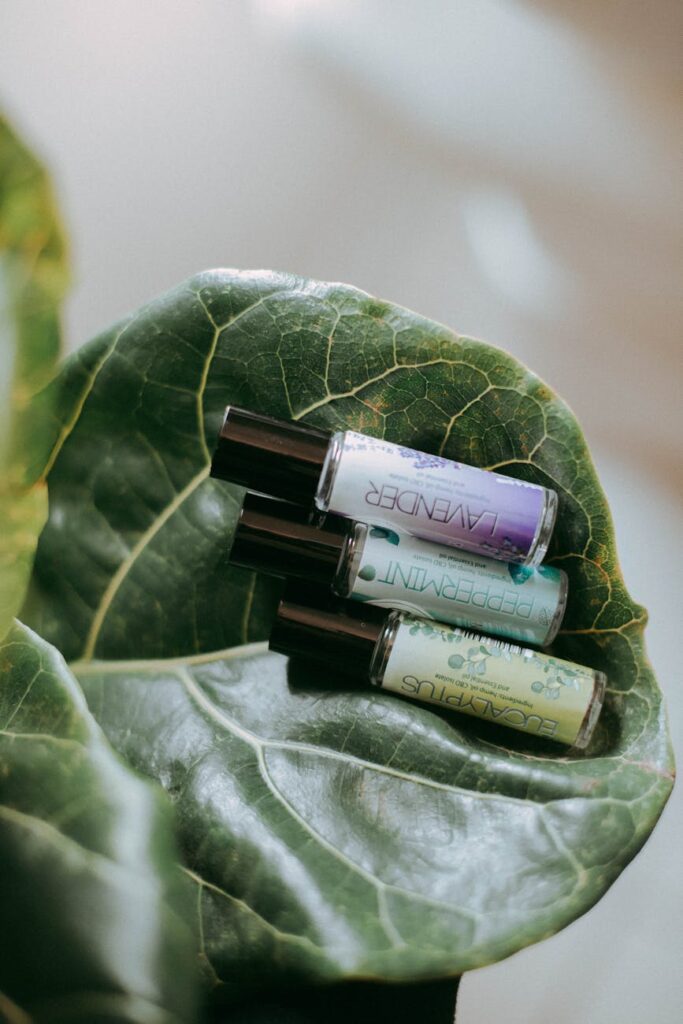
2. Roller Bottles: Pre-mixed roller bottles allow for convenient application. These are particularly useful for on-the-go mood enhancement.
3. Inhalers: Personal inhalers provide a portable option for inhaling essential oils without the need for dilution.
4. Bath Blends: Combining essential oils with bath salts or oils encourages a spa-like experience, enhancing relaxation and mood improvement.
5. Sleep Pillows: Spraying a diluted blend on pillows or bedding can create a calming environment conducive to restful sleep.
Safety Considerations
While aromatherapy blends can offer various benefits, it is essential to approach their use with caution:
1. Dilution: Essential oils are highly concentrated and should be diluted with a carrier oil (such as jojoba, coconut, or almond oil) before topical application to minimize the risk of skin irritation.
2. Allergies and Sensitivities: Individuals should conduct a patch test before using a new essential oil to ensure there is no allergic reaction. If irritation occurs, discontinue use immediately.
3. Pregnancy and Nursing: Some essential oils may not be suitable during pregnancy or while nursing. It is advisable to consult a healthcare professional before using any blends in these cases.
4. Medical Conditions: Individuals with certain medical conditions (e.g., asthma, epilepsy) should exercise caution when using essential oils, as some may trigger adverse reactions.
5. Children and Pets: Many essential oils are not safe for young children or pets. It is crucial to research and select appropriate oils and methods of use in these situations.
6. Quality of Oils: Ensure that essential oils are sourced from reputable suppliers. Pure, high-quality essential oils are critical for achieving the desired effects and minimizing health risks.
Storage and Shelf Life
Proper storage of essential oils and blends is vital to maintain their efficacy and safety:
Frequently Asked Questions
1. Are aromatherapy blends for mood enhancement effective?
While many users report positive experiences, scientific research on the effectiveness of specific blends is still limited. Individual responses can vary based on personal preferences and sensitivities.
2. Can I create my own aromatherapy blends at home?
Yes, many individuals enjoy creating their own blends. However, it is essential to research the properties of each oil and follow proper dilution guidelines.
3. How often can I use aromatherapy blends?
Usage can vary based on personal preference and the method of application. For topical use, it is generally advisable to apply blends a few times a day, ensuring proper dilution.
4. Are there any essential oils I should avoid?
Certain oils, such as wintergreen and eucalyptus, may be contraindicated for specific health conditions or populations. Always research or consult with a qualified professional when unsure.
5. Is it safe to use aromatherapy blends in a public space?
Using diffusers in public spaces may be acceptable, but be mindful of others’ sensitivities and potential allergies. Always ensure that the environment is appropriate for the use of essential oils.
Conclusion
Aromatherapy blends for mood enhancement can provide a delightful and beneficial addition to one’s self-care routine. While they can enhance emotional well-being and promote relaxation, it is vital to consider safety precautions, proper usage, and individual responses. By understanding the properties and applications of these blends, individuals can make informed choices that contribute to their overall quality of life.