
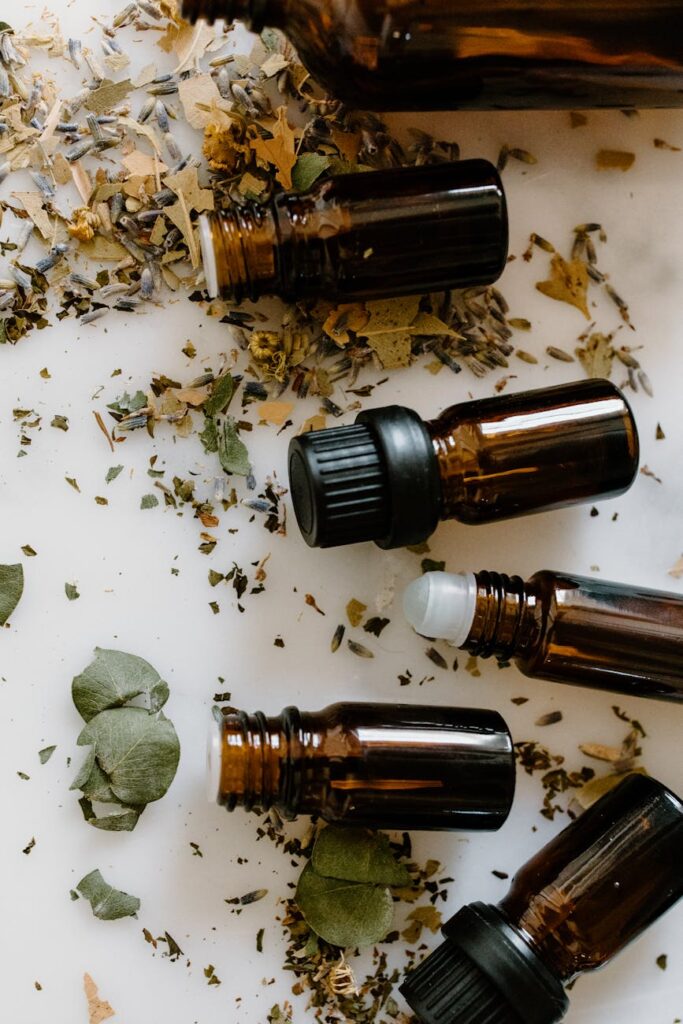
Is Aromatherapy Blends for Pet Care Safe? Uses, Benefits and Precautions
Introduction
Aromatherapy has long been celebrated for its potential therapeutic properties in humans, but its application in pet care has gained increasing interest among pet owners and professionals alike. Aromatherapy blends can offer a range of benefits for pets, from promoting relaxation to alleviating minor discomforts. However, the safety and efficacy of these blends for animals require careful consideration. This article delves into the essence of aromatherapy blends for pet care, their benefits, common uses, application methods, safety precautions, storage guidelines, and addresses frequently asked questions.
What Is Aromatherapy Blends for Pet Care?
Aromatherapy blends for pet care consist of essential oils extracted from plants that are combined to create specific therapeutic effects. These oils can be derived from flowers, leaves, bark, seeds, and roots, each possessing unique properties. When used appropriately, these blends may promote physical and emotional well-being in pets. However, it is critical to ensure that the essential oils used are safe for animal use, as not all oils are suitable for pets.
Key Benefits and Properties
Emotional Well-being
Many essential oils have calming and uplifting properties that can help manage stress and anxiety in pets. Oils such as lavender and chamomile are widely recognized for their soothing effects.
Physical Health
Certain essential oils may assist in alleviating mild physical ailments. For example, oils like peppermint and eucalyptus may help with respiratory issues, while others, such as tea tree oil, possess antibacterial properties.
Improved Quality of Life
Regular use of safe aromatherapy blends can enhance a pet’s overall quality of life by promoting relaxation, reducing anxiety, and even improving sleep patterns.
Common Uses
Anxiety Relief
Pets can experience anxiety due to various factors, including separation from their owners, loud noises, or changes in their environment. Aromatherapy blends that include calming oils can help mitigate these feelings.
Skin Care
Some essential oils possess antifungal and antibacterial properties that can be beneficial for skin conditions. Blends containing oils like lavender and chamomile can soothe irritated skin and may support healing.
Respiratory Support
Essential oils can help open airways and improve breathing, making them useful during times of seasonal allergies or respiratory distress. Oils such as eucalyptus and peppermint are commonly used for this purpose.
Digestive Aid
Certain essential oils can assist with digestive discomfort. Peppermint oil, for instance, may help alleviate gas and bloating.
Aromatherapy Applications
Diffusion
Using a diffuser is one of the most effective ways to disperse essential oils throughout the environment. A few drops of a pet-safe blend in a diffuser can create a calming atmosphere for pets.
Topical Application
When using essential oils topically, it is crucial to dilute them with a carrier oil, such as coconut or almond oil, to minimize the risk of irritation. A small patch test should be conducted to ensure that the pet does not have an adverse reaction.
Bathing
Adding a few drops of a pet-safe essential oil to bath water can help promote relaxation and soothe the skin. Ensure the oils are well-diluted and consult guidelines for safe usage.
Massage
Incorporating aromatherapy into massage sessions can enhance the experience for pets. A diluted blend can be gently massaged into the skin, promoting relaxation and bonding between the pet and owner.
Safety Considerations
Consult with a Veterinarian
Before using any essential oils or aromatherapy blends on pets, it is essential to consult with a veterinarian. They can provide guidance on which oils are safe and appropriate for your pet’s specific needs.
Choose Pet-Safe Oils
Not all essential oils are safe for pets. Some, like tea tree oil, can be toxic to animals. It is crucial to research and select oils that are known to be safe for the type of pet in question.
Observe for Reactions
Whenever introducing a new essential oil or blend to a pet, observe them closely for any signs of adverse reactions, such as excessive drooling, vomiting, or changes in behavior. If any of these occur, discontinue use immediately and consult a veterinarian.
Proper Dilution
Essential oils are highly concentrated substances. Always dilute them appropriately before applying them to a pet’s skin or using them in a diffuser. A common dilution ratio is 1-2 drops of essential oil per tablespoon of carrier oil for topical use.
Storage and Shelf Life
Proper Storage
Essential oils should be stored in a cool, dark place, away from direct sunlight and heat sources. Keeping them in dark glass bottles can help preserve their potency.
Shelf Life
Most essential oils have a shelf life of about one to three years, depending on the type of oil and its storage conditions. It is advisable to check for any signs of degradation, such as changes in color or scent, before use.
Frequently Asked Questions
Are all essential oils safe for pets?
No, not all essential oils are safe for pets. Oils such as tea tree, eucalyptus, and citrus oils can be toxic to animals. Always research and consult with a veterinarian before introducing any essential oils to your pet’s environment.
How can I tell if my pet is reacting negatively to an essential oil?
Signs of a negative reaction may include excessive drooling, vomiting, lethargy, difficulty breathing, or unusual behavior. If you notice any of these symptoms, remove your pet from the area where the oil is used and consult a veterinarian immediately.
Can I use human-grade essential oils on my pet?
While some human-grade essential oils may be safe for pets, it is always best to use oils specifically formulated for animal use. These blends are often tested for safety and efficacy in pets.
How often can I use aromatherapy blends on my pet?
The frequency of use depends on the individual pet and the specific blend being used. It is generally advisable to start with less frequent applications and increase as needed while monitoring the pet’s response.
Can aromatherapy replace veterinary care?
Aromatherapy should not be used as a substitute for veterinary care. While it can complement traditional treatments, it is essential to consult a veterinarian for any medical concerns or conditions.
Conclusion
Aromatherapy blends can offer various benefits for pet care, from promoting relaxation to supporting overall health. However, it is crucial to approach their use with caution, ensuring that the essential oils chosen are safe for pets and properly diluted. With careful consideration and the guidance of a veterinarian, aromatherapy can be a valuable addition to your pet care routine, enhancing the well-being of your beloved companions.