
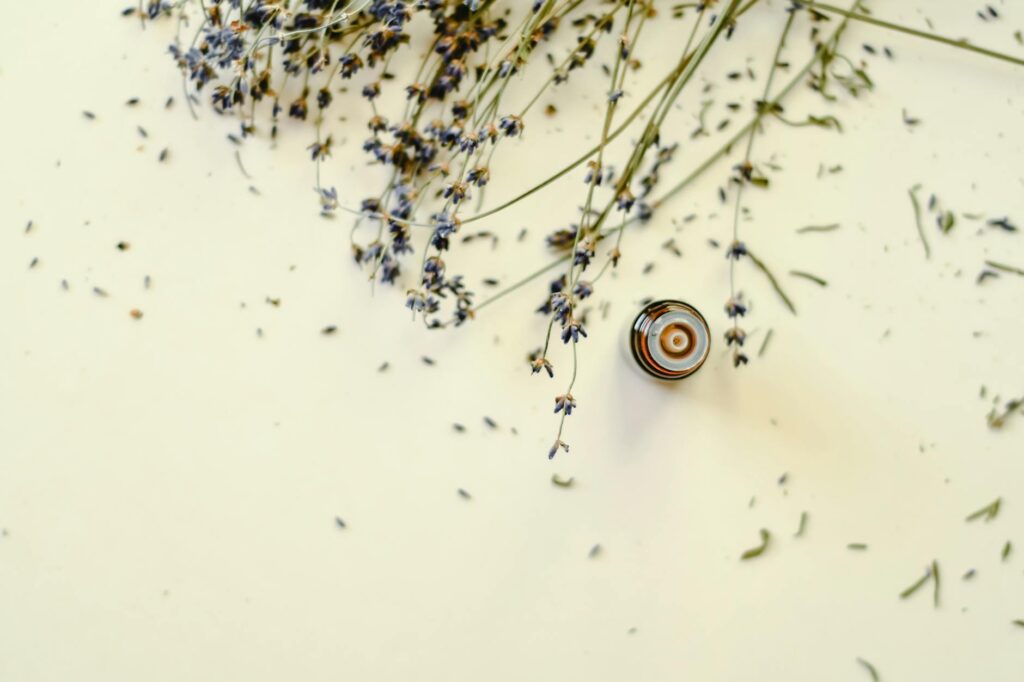
Is Aromatherapy Blends for Post-Traumatic Stress Relief Safe? Uses, Benefits, and Precautions
Introduction
Post-Traumatic Stress Disorder (PTSD) is a complex mental health condition that can arise after experiencing or witnessing traumatic events. The symptoms can be distressing and may include flashbacks, anxiety, depression, and heightened stress responses. While conventional treatments such as therapy and medication are often the first line of defense, many individuals are exploring complementary therapies, including aromatherapy. This article delves into the safety, uses, benefits, and precautions associated with aromatherapy blends specifically designed for post-traumatic stress relief.
What Is Aromatherapy Blends for Post-Traumatic Stress Relief?
Aromatherapy is a holistic healing practice that employs the use of essential oils extracted from various plants. These oils are believed to have therapeutic properties that can influence mood and emotional well-being. Aromatherapy blends for PTSD typically combine various essential oils known for their calming and grounding effects. Common ingredients may include lavender, chamomile, frankincense, and bergamot, which are selected for their individual properties that may help alleviate anxiety and promote relaxation.
Key Benefits and Properties
Aromatherapy blends can offer a range of benefits, particularly for individuals dealing with the aftermath of trauma. Here are some key properties associated with essential oils used in these blends:
1. Calming Effects: Essential oils like lavender and chamomile are renowned for their calming effects, which can help reduce feelings of anxiety and stress.
2. Mood Enhancement: Citrus oils, such as bergamot and sweet orange, can uplift mood and may counteract feelings of depression.
3. Sleep Support: Many essential oils promote relaxation and can improve sleep quality, which is often disrupted in individuals with PTSD.
4. Grounding Properties: Oils like frankincense and vetiver are believed to have grounding properties, helping individuals feel more centered and connected to the present moment.
5. Emotional Release: Certain oils can facilitate emotional release, providing a cathartic experience that can be beneficial for those processing trauma.
Common Uses
Aromatherapy blends for post-traumatic stress relief can be utilized in various ways:
- Inhalation: The simplest method involves inhaling the aroma directly from the bottle or using a diffuser to disperse the scent in a room.
- Topical Application: Diluting essential oils with a carrier oil and applying them to pulse points (like wrists and temples) can provide localized relief and promote relaxation.
- Bathing: Adding essential oils to bathwater can create a soothing environment, further enhancing the therapeutic experience.
- Massage: Incorporating essential oils into massage therapy can provide both physical and emotional benefits, as touch combined with aroma can lead to a deeper sense of relaxation.
- Cool, Dark Place: Store essential oils in a cool, dark place away from direct sunlight to prevent degradation.
- Sealed Containers: Keep oils in tightly sealed containers to minimize exposure to air, which can alter their composition.
- Shelf Life: The shelf life of essential oils varies by type. Citrus oils may last around 1-2 years, while oils like patchouli and sandalwood can last several years if stored properly.
Aromatherapy Applications
The application of aromatherapy blends can vary based on personal preferences and circumstances. Here are some common methods:
1. Diffusion
Using a diffuser allows the essential oils to spread throughout a space, creating an inviting atmosphere. This can be particularly effective in a living area or bedroom, providing a constant source of calming aromas.
2. Personal Inhalers
Portable inhalers can be prepared with specific blends, allowing individuals to carry them for on-the-go relief. Simply inhaling the scent when feeling overwhelmed can offer immediate benefits.
3. Roll-Ons
Diluted essential oils in roller bottles can be easily applied to pulse points. These convenient applications can be kept in a purse or backpack for quick access.
4. Bath Soaks
Combining essential oils with Epsom salts or carrier oils can create a luxurious bath experience that promotes relaxation and emotional release.
5. Emotional Support Kits
Creating a personalized aromatherapy kit with a selection of oils tailored to individual needs can be a valuable resource for managing symptoms.
Safety Considerations
While aromatherapy is generally considered safe, there are important safety considerations to keep in mind:
1. Dilution: Essential oils are highly concentrated and should always be diluted with a carrier oil before topical application to avoid skin irritation.
2. Skin Sensitivity: Conduct a patch test before using a new essential oil to check for allergic reactions. Apply a small diluted amount on a less sensitive area of skin and wait 24 hours for any reaction.
3. Pregnancy and Nursing: Certain essential oils may not be safe during pregnancy or nursing. It is advisable to consult with a healthcare provider before using aromatherapy in these circumstances.
4. Pre-existing Conditions: Individuals with respiratory issues, allergies, or other medical conditions should consult with a healthcare professional before using essential oils.
5. Quality of Oils: Ensure that the essential oils used are pure, high-quality products sourced from reputable suppliers. Synthetic or adulterated oils may not provide the desired benefits and could pose health risks.
6. Children and Pets: Some essential oils can be toxic to children and pets. It is important to research which oils are safe for use around them.
Storage and Shelf Life
Proper storage of essential oils is crucial for maintaining their efficacy. Here are some guidelines:
Frequently Asked Questions
1. Can aromatherapy completely cure PTSD?
Aromatherapy can be a complementary therapy that may help alleviate symptoms of PTSD but should not be considered a standalone treatment. It is best used in conjunction with professional therapy and medical guidance.
2. How long does it take to feel the effects of aromatherapy?
The effects of aromatherapy can vary from person to person. Some individuals may experience immediate relief, while others may notice gradual changes over time with consistent use.
3. Are there any essential oils to avoid for PTSD?
While many essential oils are considered beneficial, individuals should avoid oils that are known irritants or that they are allergic to. It is essential to do thorough research and consult with a healthcare provider if unsure.
4. Can I create my own blends?
Yes, creating your own blends can be a rewarding experience. However, it is advisable to research the properties of each oil and how they may interact before combining them.
5. Is aromatherapy safe for children?
Certain essential oils can be safe for children, but others can be harmful. Always consult with a healthcare professional and conduct thorough research before using essential oils around children.
Conclusion
Aromatherapy blends can offer a soothing and supportive approach for individuals dealing with post-traumatic stress. While the benefits are promising, it is essential to prioritize safety and consider these blends as part of a holistic approach to mental health care. By understanding the properties, uses, and precautions associated with aromatherapy, individuals can make informed choices that support their emotional well-being.