
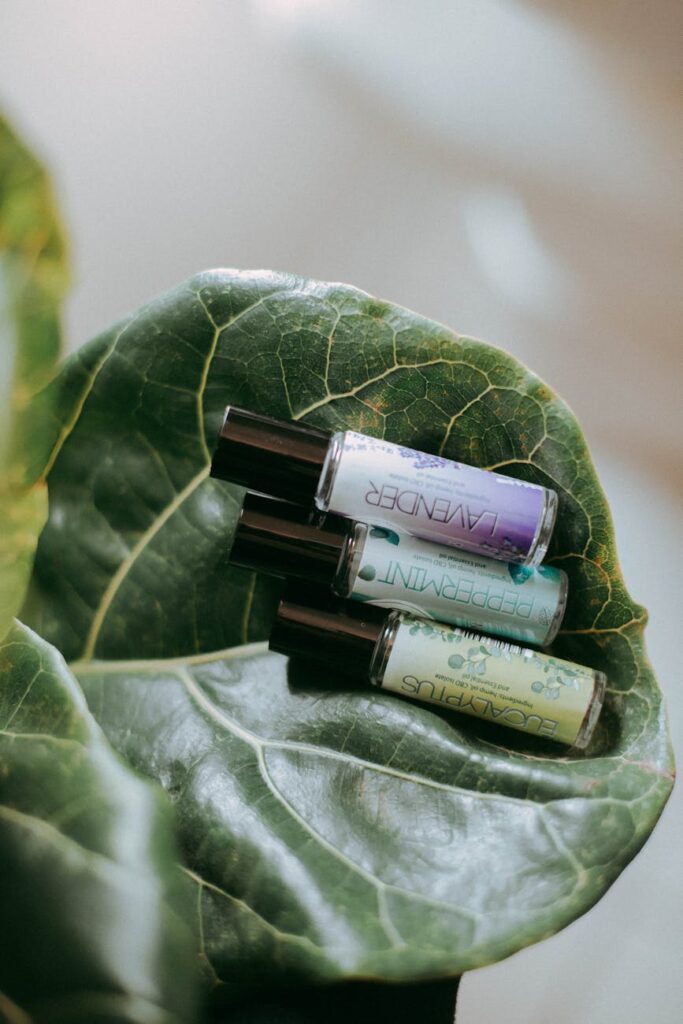
Is Aromatherapy Blends for Relaxation and Calmness Safe? Uses, Benefits, and Precautions
Introduction
Aromatherapy, a holistic healing practice that utilizes essential oils extracted from plants, has gained popularity as a method to promote relaxation and calmness. With its deep-rooted history in various cultures, aromatherapy is often employed to enhance emotional well-being and alleviate stress. However, as with any wellness practice, understanding the safety, applications, and potential benefits is crucial. This article explores aromatherapy blends specifically designed for relaxation and calmness, detailing their properties, common uses, and necessary precautions.
What Is Aromatherapy Blends for Relaxation and Calmness?
Aromatherapy blends for relaxation and calmness consist of essential oils that possess calming and soothing properties. These oils are often derived from flowers, leaves, bark, and roots of plants known for their therapeutic effects. Common essential oils used for relaxation include lavender, chamomile, bergamot, and ylang-ylang. When blended together, these oils create a synergistic effect, enhancing their individual benefits and providing a more profound sense of tranquility.
Key Benefits and Properties
Emotional Well-Being
Aromatherapy blends aimed at relaxation are primarily sought after for their emotional benefits. Many users report reduced anxiety levels, improved mood, and enhanced feelings of calmness. Essential oils like lavender are known for their ability to lower stress hormones, while others, such as bergamot, may help restore emotional balance.
Physical Relaxation
In addition to emotional benefits, certain essential oils can promote physical relaxation. Oils like chamomile and marjoram are often used to soothe muscle tension and alleviate discomfort, contributing to overall relaxation.
Sleep Quality
Many aromatherapy blends for relaxation are also associated with improved sleep quality. Essential oils like vetiver and cedarwood can create a calming atmosphere conducive to better sleep, helping to regulate sleep patterns and promote deeper rest.
Enhanced Meditation and Mindfulness
Using aromatherapy during meditation or mindfulness practices can deepen the experience. Scents like sandalwood and frankincense are known to ground the mind, helping individuals focus and connect with their inner selves.
Common Uses
Aromatherapy blends for relaxation can be used in various settings, making them versatile tools for enhancing well-being. Common applications include:
Diffusion
Using an essential oil diffuser is one of the most popular methods for enjoying aromatherapy. By adding a few drops of a relaxation blend, the essential oils disperse into the air, creating an aromatic environment that promotes calmness.
Topical Application
Diluting essential oils in a carrier oil allows for topical application. This method is effective for localized relaxation, such as massaging the oils onto tense muscles or applying them to pulse points.
Bathing
Adding essential oils to bathwater can create a soothing and luxurious experience. The warmth of the water combined with the aromatic oils provides an excellent opportunity for relaxation and stress relief.
Inhalation
Direct inhalation is another method to experience the benefits of aromatherapy. Placing a few drops of essential oil on a tissue or using an inhaler can provide immediate calming effects.
Aromatherapy Applications
Blending Techniques
Creating a personalized aromatherapy blend involves selecting essential oils that complement each other. One common approach is to choose three to five oils, ensuring a balance of top, middle, and base notes for a well-rounded scent profile. For relaxation, consider combinations such as:
- Lavender + Bergamot + Ylang-Ylang
- Chamomile + Sweet Orange + Frankincense
- Cedarwood + Vetiver + Marjoram
- Keep away from direct sunlight: Light can degrade essential oils and reduce their effectiveness.
- Store in dark glass bottles: Dark glass protects oils from light exposure.
- Seal tightly: Air exposure can lead to oxidation, diminishing the oil’s quality.
Professional Guidance
While many individuals enjoy creating their own blends, consulting with a certified aromatherapist can provide valuable insights. Professionals can offer tailored recommendations based on individual needs and preferences, enhancing the overall experience.
Safety Considerations
While aromatherapy can offer numerous benefits, safety should always be a priority. Here are some essential precautions to consider:
Skin Sensitivity
Some individuals may experience skin reactions to essential oils. Conducting a patch test by applying a diluted mixture to a small area of skin can help assess sensitivity before full application.
Pregnancy and Nursing
Certain essential oils are contraindicated during pregnancy and breastfeeding. It is crucial for pregnant or nursing individuals to consult with a healthcare provider before using any essential oils.
Allergies and Asthma
Individuals with allergies or asthma should exercise caution when using essential oils. It is advisable to consult a healthcare provider to ensure that specific oils do not trigger adverse reactions.
Quality of Essential Oils
The quality of essential oils can vary significantly among brands. It is essential to choose high-quality, pure essential oils from reputable sources to ensure safety and effectiveness.
Storage and Dilution
Essential oils should always be diluted with a carrier oil for topical application to avoid skin irritation. Additionally, proper storage in a cool, dark place helps maintain the integrity of the oils.
Storage and Shelf Life
The shelf life of essential oils can vary depending on the type and how they are stored. Generally, most essential oils can last from one to five years. Here are some tips for proper storage:
Regularly check for changes in scent or consistency, as these can indicate that the oil has gone bad.
Frequently Asked Questions
1. Can anyone use aromatherapy blends for relaxation?
While many individuals can safely use aromatherapy, those with specific medical conditions, allergies, or sensitivities should consult a healthcare provider before use.
2. How can I tell if an essential oil is of high quality?
Look for oils that are labeled as 100% pure, therapeutic grade, and sourced from reputable suppliers. Avoid oils that contain synthetic additives or fillers.
3. Are there any oils that should be avoided?
Certain essential oils, such as rosemary and sage, may not be suitable for individuals with epilepsy. Pregnant and nursing women should also avoid specific oils. Always consult a healthcare provider for personalized recommendations.
4. Can I use aromatherapy blends for relaxation at work?
Yes, many individuals find that using a personal diffuser or inhaler can help create a calming atmosphere in the workplace. Be mindful of your colleagues’ preferences, as scents can be subjective.
5. How long does it take for aromatherapy to work?
The effects of aromatherapy can vary based on individual sensitivity and the method of application. Many users report feeling immediate effects, while others may experience gradual improvements over time.
Conclusion
Aromatherapy blends for relaxation and calmness offer a multifaceted approach to enhancing emotional and physical well-being. With various applications and potential benefits, these oils can become valuable tools in your self-care routine. However, understanding safety considerations, proper storage, and individual sensitivities is essential for a positive experience. By integrating aromatherapy mindfully, individuals can harness its calming properties to cultivate a more peaceful and balanced life.