
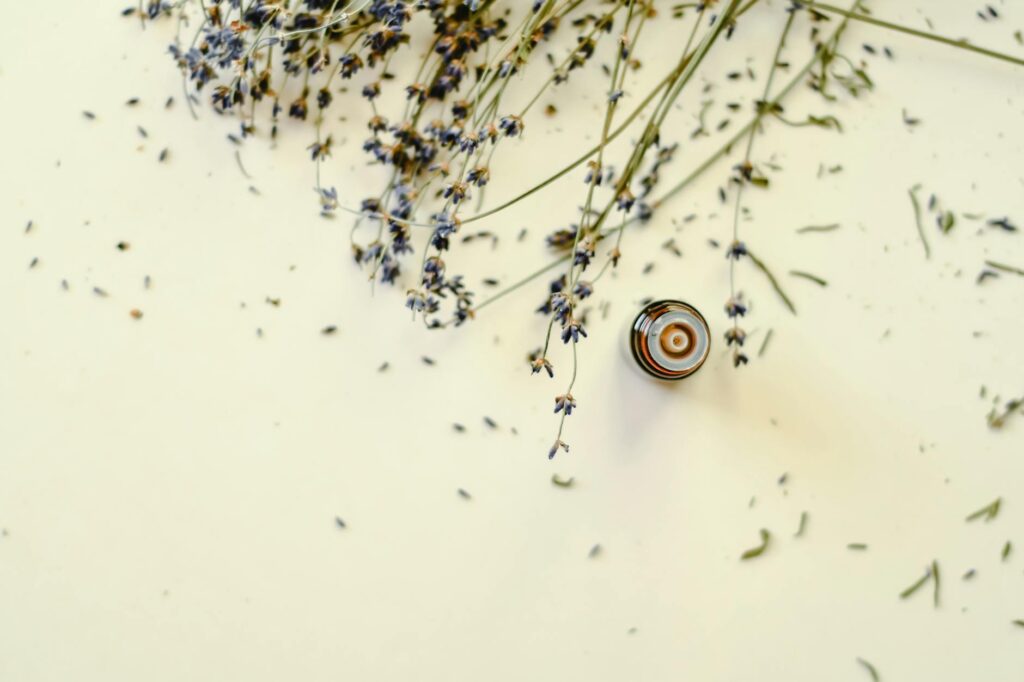
Is Aromatherapy Blends for Seasonal Allergies Relief Safe? Uses, Benefits, and Precautions
Introduction
Seasonal allergies, often referred to as hay fever or allergic rhinitis, affect millions of people worldwide. Symptoms such as sneezing, runny nose, itchy eyes, and fatigue can significantly impact daily life. While conventional treatments often include antihistamines and decongestants, many individuals seek natural alternatives to alleviate their symptoms. Aromatherapy, a holistic practice utilizing essential oils, has gained popularity as a potential aid for seasonal allergies. This article explores the safety, uses, benefits, and precautions associated with aromatherapy blends for seasonal allergies relief.
What Is Aromatherapy Blends for Seasonal Allergies Relief?
Aromatherapy involves the use of essential oils—concentrated plant extracts that capture the essence of a plant’s fragrance and therapeutic properties. When blended specifically for seasonal allergies, these oils may help ease symptoms by supporting respiratory function, reducing inflammation, and promoting relaxation. Common essential oils used in these blends include eucalyptus, lavender, peppermint, tea tree, and lemon, among others.
Key Benefits and Properties
1. Anti-Inflammatory Effects
Many essential oils possess anti-inflammatory properties that can help reduce swelling and irritation in the nasal passages. For instance, eucalyptus oil is known for its ability to open airways and promote easier breathing.
2. Antimicrobial Properties
Certain essential oils, such as tea tree oil, exhibit antimicrobial traits that can help combat allergens and pathogens in the environment. This property may assist in reducing the overall burden of irritants.
3. Respiratory Support
Essential oils like peppermint and eucalyptus can help clear congestion and soothe irritated airways. These oils may promote better airflow, making it easier to breathe during allergy season.
4. Stress Relief
Seasonal allergies can be stressful, and essential oils such as lavender and chamomile are well-known for their calming effects. Reducing stress may indirectly alleviate allergy symptoms by promoting overall well-being.
5. Mood Enhancement
Certain aromatherapy blends may enhance mood and provide emotional support, helping individuals cope with the frustration that often accompanies seasonal allergies.
Common Uses
Aromatherapy blends for seasonal allergies can be used in various forms, allowing individuals to choose the method that best suits their preferences. Common uses include:
1. Diffusion
Using an essential oil diffuser is a popular way to disperse aromatic molecules into the air. This method can create a soothing environment while also providing respiratory support.
2. Topical Application
Diluted essential oils can be applied to specific areas, such as the chest, neck, or wrists. When using topical blends, it is essential to mix the oils with a carrier oil to prevent skin irritation.
3. Inhalation
Direct inhalation of essential oils from the bottle or a cotton ball can provide immediate relief. This method is particularly effective for clearing nasal passages.
4. Baths
Adding essential oils to a warm bath can create a relaxing experience while also allowing the oils to be absorbed through the skin and inhaled.
5. Steam Inhalation
Combining essential oils with steam inhalation can be particularly beneficial for clearing airways and relieving nasal congestion.
Aromatherapy Applications
To create effective aromatherapy blends for seasonal allergies, consider the following combinations of essential oils:
1. Eucalyptus and Peppermint
This blend can help open airways and reduce nasal congestion, offering a refreshing and revitalizing experience.
2. Lavender and Chamomile
A soothing blend that promotes relaxation and stress relief, which can be beneficial during allergy flare-ups.
3. Tea Tree and Lemon
This combination may help combat allergens and uplift the mood, making it a great choice for those struggling with fatigue caused by allergies.
4. Frankincense and Rosemary
Known for their anti-inflammatory properties, these oils can help reduce swelling and promote respiratory health.
When creating blends, it is crucial to consider individual preferences and sensitivities. Always conduct a patch test before applying oils to the skin.
Safety Considerations
While aromatherapy is generally considered safe, certain precautions should be observed, especially for individuals with allergies or sensitivities:
1. Dilution
Essential oils are highly concentrated and should always be diluted with a carrier oil (such as coconut, jojoba, or sweet almond oil) before topical application to prevent skin irritation.
2. Quality of Oils
Use high-quality, pure essential oils from reputable sources. Adulterated or synthetic oils may not provide the desired benefits and can cause adverse reactions.
3. Allergies and Sensitivities
Individuals with known allergies to specific plants should avoid essential oils derived from those plants. Always consult with a healthcare provider if unsure.
4. Pregnancy and Nursing
Pregnant or nursing individuals should exercise caution and consult with a qualified practitioner before using essential oils, as some oils may not be safe during these periods.
5. Children and Pets
Certain essential oils are not safe for children or pets. Always research the safety of specific oils before use around them.
Storage and Shelf Life
Proper storage of essential oils is essential to maintain their efficacy and safety. Follow these guidelines:
1. Cool, Dark Place
Store essential oils in a cool, dark place, away from direct sunlight and heat. A cabinet or drawer is ideal.
2. Seal Tight
Ensure that bottles are tightly sealed to prevent oxidation and evaporation of the oils.
3. Shelf Life
Most essential oils have a shelf life of 1 to 3 years, depending on the oil. Check for changes in scent, color, or viscosity, which may indicate that the oil has gone bad.
Frequently Asked Questions
1. Can aromatherapy completely cure seasonal allergies?
While aromatherapy can provide relief from symptoms, it is not a cure for seasonal allergies. It may complement other treatment methods.
2. How do I know which essential oils to use?
Researching the properties of various essential oils and considering personal preferences can help determine the best oils for your needs.
3. Can I use multiple essential oils together?
Yes, blending essential oils can enhance their benefits, but it is important to ensure that the chosen oils complement each other and are safe for your specific situation.
4. What if I experience irritation from an essential oil?
If irritation occurs, discontinue use immediately and wash the affected area with soap and water. If irritation persists, seek medical attention.
5. Is it safe to use essential oils in a humidifier?
Not all humidifiers are designed for essential oils. Check the manufacturer’s instructions before adding oils to a humidifier, as they can damage certain models.
Conclusion
Aromatherapy blends may offer a natural and holistic approach to managing seasonal allergies. By understanding the properties, benefits, and safety considerations associated with essential oils, individuals can make informed decisions about their use. While they can provide relief, it is essential to complement aromatherapy with other treatments and consult healthcare professionals when necessary. With careful consideration and proper usage, aromatherapy can be a valuable tool in navigating the challenges of seasonal allergies.