
Is Aromatherapy Blends for Seasonal Immune Boosting Safe? Uses, Benefits and Precautions
Introduction
As the seasons change, many individuals seek natural ways to support their health, particularly their immune systems. Aromatherapy, the practice of using essential oils for therapeutic purposes, has gained popularity for its potential to enhance well-being. Seasonal immune-boosting blends harness the properties of various essential oils to promote vitality and resilience during times when colds and other ailments are more prevalent. This article explores the concept of aromatherapy blends for immune support, their uses, benefits, safety considerations, and more.
What Is Aromatherapy Blends for Seasonal Immune Boosting?
Aromatherapy blends for seasonal immune boosting involve the combination of specific essential oils known for their supportive effects on the immune system. These oils are extracted from plants and possess unique properties that may help bolster the body’s defenses against seasonal challenges. The practice typically includes the careful selection of oils based on their chemical composition and therapeutic benefits.
Common essential oils used in these blends include eucalyptus, tea tree, lemon, peppermint, and lavender, each selected for its distinct properties. When combined, these oils can create a synergistic effect, enhancing their overall efficacy. The blends can be applied through various methods, such as diffusion, topical application, or inhalation.
Key Benefits and Properties
The benefits of using aromatherapy blends for immune support are rooted in the properties of the essential oils involved. Here are some key benefits:
1. Antimicrobial Properties: Many essential oils possess natural antimicrobial properties, which may help inhibit the growth of bacteria, viruses, and fungi. For instance, tea tree oil is known for its antiseptic qualities, making it a popular choice in immune-boosting blends.
2. Anti-inflammatory Effects: Certain oils, such as eucalyptus, have anti-inflammatory properties that can help reduce inflammation in the body, potentially aiding in respiratory health during seasonal changes.
3. Stress Reduction: Seasonal changes can bring about stress and anxiety, which can negatively impact the immune system. Oils like lavender and bergamot are renowned for their calming effects, promoting relaxation and emotional balance.
4. Respiratory Support: Oils such as peppermint and eucalyptus can help clear the airways and support respiratory function, providing a sense of relief during allergy season or cold spells.
5. Mood Enhancement: Pleasant aromas can uplift mood and foster a sense of well-being, which is essential for maintaining a strong immune response.
Common Uses
Aromatherapy blends for seasonal immune boosting can be utilized in various ways, including:
1. Diffusion: Adding a few drops of the blend to a diffuser can disperse the aromatic compounds into the air, creating a therapeutic environment. This method is particularly beneficial for enhancing mood and supporting respiratory health.
2. Topical Application: When diluted with a carrier oil (such as coconut or jojoba oil), aromatherapy blends can be applied to pulse points, the chest, or the soles of the feet. This method allows for direct absorption of the oils into the skin.
3. Inhalation: Inhaling the scent directly from a bottle or via a personal inhaler can provide immediate benefits, particularly for respiratory support and stress relief.
4. Bathing: Adding a few drops of the blend to bathwater can create a soothing experience that promotes relaxation and immune support.
5. Household Cleaning: Essential oils can also be incorporated into natural cleaning products, providing antimicrobial benefits while enhancing the atmosphere of your living space.
Aromatherapy Applications
The application of aromatherapy blends can vary depending on individual preferences and needs. Here are some common applications:
1. Immune-Boosting Blend Recipe: A simple recipe might include a combination of lemon (for its cleansing properties), lavender (for relaxation), and tea tree oil (for its antimicrobial effects). This blend can be diffused or applied topically when diluted.
2. Respiratory Blend: A blend of eucalyptus, peppermint, and rosemary can be particularly effective for respiratory support. This combination can be beneficial during cold and flu season.
3. Stress Relief Blend: For those seeking emotional balance, a blend of bergamot, frankincense, and chamomile may help promote relaxation and reduce anxiety.
4. Allergy Relief Blend: A mixture of lavender, lemon, and peppermint can assist in alleviating seasonal allergy symptoms, providing relief from congestion and discomfort.
Safety Considerations
While aromatherapy can be a beneficial addition to wellness routines, it is essential to consider safety precautions:
1. Dilution: Essential oils are highly concentrated and should always be diluted with a carrier oil when applied to the skin. A common dilution ratio is 1-2 drops of essential oil per teaspoon of carrier oil.
2. Allergies and Sensitivities: Individuals should perform a patch test before using a new essential oil to identify any allergic reactions. If irritation occurs, discontinue use immediately.
3. Pregnancy and Nursing: Certain essential oils may not be safe for use during pregnancy or while nursing. It is advisable for individuals in these situations to consult with a healthcare professional before using essential oils.
4. Children and Pets: Not all essential oils are safe for children or pets. Some oils may cause adverse reactions, so it is crucial to research and select appropriate oils for use around these sensitive populations.
5. Consultation with Professionals: For individuals with underlying health conditions or those taking medication, consulting with a qualified aromatherapist or healthcare provider is recommended to ensure safe and effective use.
Storage and Shelf Life
Proper storage of essential oils is vital for maintaining their potency and effectiveness. Here are some guidelines:
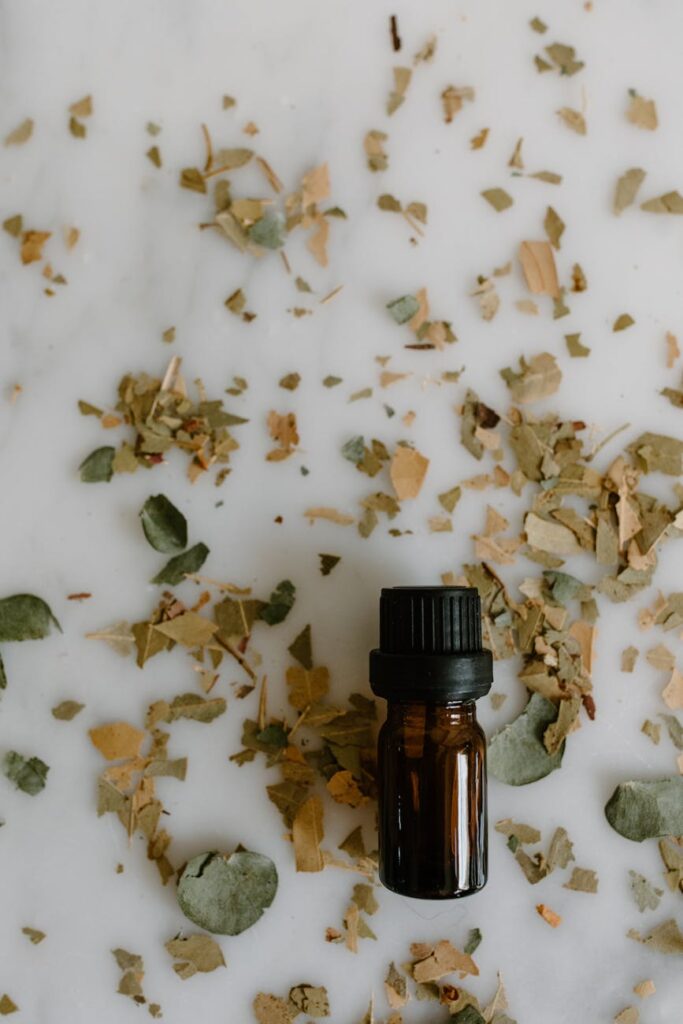
1. Keep Away from Light and Heat: Essential oils should be stored in dark glass bottles away from direct sunlight and heat sources, as exposure can degrade their quality.
2. Seal Tightly: Ensure that the bottles are tightly sealed to prevent evaporation and contamination.
3. Cool Environment: Store oils in a cool, dry place to extend their shelf life.
4. Shelf Life: Most essential oils have a shelf life of 1-3 years, depending on the type of oil and storage conditions. Citrus oils typically have a shorter shelf life, while some oils, like patchouli and sandalwood, may improve with age.
Frequently Asked Questions
1. Can aromatherapy blends replace medical treatment?
Aromatherapy should not be considered a replacement for medical treatment. It may serve as a complementary approach to wellness but does not substitute for professional medical advice, diagnosis, or treatment.
2. How often can I use aromatherapy blends for immune support?
Usage frequency can vary based on individual preferences and needs. It is generally safe to use aromatherapy blends daily, but it is advisable to monitor for any adverse reactions and adjust accordingly.
3. Are there any essential oils that should be avoided during pregnancy?
Yes, certain essential oils, such as clary sage, rosemary, and thyme, should be avoided during pregnancy due to their potential effects. Always consult with a healthcare professional regarding safe essential oil use during pregnancy.
4. Can I use essential oils around pets?
While some essential oils are safe for use around pets, others can be harmful. Always research specific oils and consult with a veterinarian if unsure.
5. What is the best way to choose essential oils for an immune-boosting blend?
Selecting essential oils for an immune-boosting blend should be based on individual needs and preferences. Researching the properties of various oils and considering any personal allergies or sensitivities is essential.
Conclusion
Aromatherapy blends for seasonal immune boosting can offer a natural way to support overall well-being during times of seasonal change. With a range of benefits, from antimicrobial properties to stress relief, these blends can be a valuable addition to wellness routines. However, it is crucial to approach their use with caution, considering safety measures and individual circumstances. By understanding the properties, applications, and precautions associated with essential oils, one can harness their potential benefits while ensuring a safe and enjoyable experience.